15 Michelin-Starred Restaurants in Singapore Worth the Splurge
Singapore punches well above its weight when it comes to world-class dining. For a city-state roughly the size of a single London borough, the Lion City boasts an impressive collection of Michelin-starred establishments that rival culinary capitals decades its senior. Whether you’re celebrating a milestone anniversary, closing a major deal, or simply treating yourself to an extraordinary meal, the michelin star restaurants Singapore has earned represent some of the finest cooking you’ll encounter anywhere on the planet.
Singapore’s Michelin-starred dining scene spans from S$6 hawker noodles to S$600 omakase experiences. The 2025 guide features three three-star restaurants, seven two-star establishments, and over 30 one-star venues. Reservations typically require two to eight weeks advance booking. Most restaurants accommodate dietary restrictions with advance notice. Dress codes range from smart casual to jacket required depending on the establishment.
Understanding Singapore’s Michelin landscape
The Michelin Guide arrived in Singapore in 2016, making it the first Southeast Asian city to receive this prestigious recognition. Since then, the local dining scene has evolved dramatically. Chefs have refined their techniques, service standards have soared, and the competition for stars has pushed creativity to new heights.
The guide evaluates restaurants using five criteria: quality of ingredients, mastery of cooking techniques, harmony of flavours, personality of the chef reflected in the cuisine, and consistency across the menu and over time. Inspectors visit anonymously and pay for their meals like regular diners.
Three stars indicate exceptional cuisine worth a special journey. Two stars signal excellent cooking worth a detour. One star marks a very good restaurant in its category. Each level represents a significant achievement, and maintaining stars requires unwavering dedication from the entire team.
Planning your Michelin dining experience
Securing a table at Singapore’s most sought-after restaurants requires strategy and patience. Here’s how to approach the booking process:
- Check reservation windows for your target restaurants, as some open bookings exactly 60 days in advance while others use 30-day or even 90-day windows.
- Set calendar reminders for the exact minute reservations open, particularly for three-star establishments where prime slots disappear within minutes.
- Create accounts on reservation platforms like Chope, OpenTable, or restaurant-specific systems before booking day to streamline the process.
- Consider lunch services, which often feature similar menus at lower prices and have better availability than dinner slots.
- Join restaurant mailing lists or follow their social media for announcements about special events, new menu launches, or additional seating releases.
Many restaurants now use automated systems that release tables at midnight Singapore time. International visitors should account for time zone differences when setting alarms. Some establishments maintain waitlists, so expressing interest even when fully booked can sometimes yield results when cancellations occur.
“Book your Michelin experience at least six to eight weeks ahead, especially if you’re visiting during peak travel periods like Chinese New Year, Formula 1 weekend, or year-end holidays. The best restaurants fill up fast, and walk-in tables are virtually impossible at top-tier establishments.” – Singapore-based dining concierge
What to expect at different star levels
The experience varies significantly depending on the restaurant’s star rating and culinary style. Understanding these differences helps set appropriate expectations and budget accordingly.
Three-star experiences typically involve tasting menus of 10 to 20 courses spanning three to four hours. Service is impeccable but never stuffy. Expect intricate plating, rare ingredients, and cooking techniques that push boundaries. Wine pairings often add S$200 to S$400 per person. Total bills commonly reach S$500 to S$800 per person before additional beverages.
Two-star restaurants offer similarly refined cooking with slightly more approachable formats. Some offer à la carte options alongside tasting menus. Service remains exceptional, and the food showcases remarkable skill, though perhaps with less theatrical presentation than three-star venues. Budget S$300 to S$500 per person for the full experience.
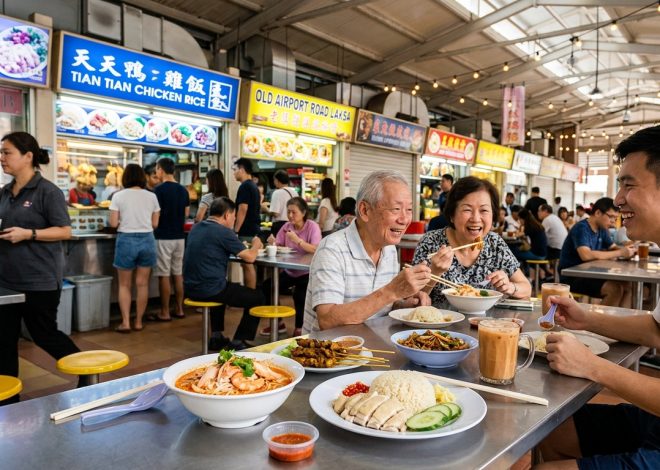
One-star establishments range from hawker stalls charging under S$10 per dish to upscale restaurants with S$200 tasting menus. The common thread is exceptional quality within each restaurant’s category. These venues often provide the best value, delivering memorable meals without the premium pricing of higher-starred counterparts.
Navigating dress codes and dining etiquette
Most Michelin-starred restaurants in Singapore maintain smart casual dress codes at minimum. This typically means collared shirts for men and elegant attire for women. Shorts, flip-flops, and athletic wear are generally prohibited at two- and three-star establishments.
Several high-end restaurants prefer or require jackets for men during dinner service, though lunch services often relax these requirements. When in doubt, contact the restaurant directly or check their website for specific guidelines. Better to slightly overdress than face an awkward conversation at the door.
Photography policies vary. Most restaurants permit photos, but some request no flash photography or ask guests to refrain from photographing other diners. A few ultra-exclusive establishments discourage photography altogether to maintain ambiance. Respect these policies, as they’re designed to enhance everyone’s experience.
Arrive on time. Restaurants hold tables for 15 minutes maximum before potentially releasing them. Late arrivals may forfeit portions of tasting menus that have already begun preparation. If running late, call immediately to inform the restaurant.
Budget considerations and hidden costs
The menu price represents just part of your total expenditure. Here’s what else to factor into your budget:
| Cost Component | Typical Range | Notes |
|---|---|---|
| Tasting menu | S$180 – S$650 | Per person, varies by star level |
| Wine pairing | S$120 – S$400 | Often 5-8 glasses matched to courses |
| Service charge | 10% | Standard across Singapore dining |
| GST | 9% | Government tax on all F&B |
| Aperitifs/digestifs | S$20 – S$45 | Pre- or post-meal drinks |
| Supplements | S$30 – S$200 | Premium ingredients like white truffle or wagyu |
A couple dining at a two-star restaurant with wine pairings can easily spend S$1,200 to S$1,800 for the evening. Three-star experiences for two often exceed S$2,000 when including beverages and supplements.
Some restaurants offer lunch menus at 30% to 50% lower prices than dinner, featuring similar cooking quality with fewer courses. This presents an excellent opportunity to experience Michelin-starred cuisine at more accessible price points.
Credit cards are universally accepted, and many establishments welcome payment in foreign currencies, though exchange rates may not be favourable. The ultimate guide to choosing between Marina Bay and Orchard Road hotels can help you select accommodation near your chosen restaurants to minimize transport costs.
Types of cuisine represented
Singapore’s Michelin selections span an impressive range of culinary traditions:
- French fine dining with Asian influences
- Traditional Japanese kaiseki and modern sushi omakase
- Contemporary European with Nordic techniques
- Refined Chinese cuisine from Cantonese to Sichuan
- Modern Indian with creative presentations
- Innovative fusion concepts blending multiple traditions
- Elevated Peranakan and regional Southeast Asian cooking
- Progressive vegetarian and plant-forward menus
This diversity means you can visit multiple Michelin-starred restaurants during a single trip without experiencing repetitive cuisines. The variety also accommodates different dietary preferences and restrictions, though advance notice helps kitchens prepare appropriate alternatives.
Several restaurants have earned recognition specifically for championing local and regional ingredients. These establishments showcase Singapore’s position as a culinary crossroads, where East meets West in genuinely innovative ways rather than superficial fusion.
Making the most of your reservation
Once you’ve secured that coveted booking, maximize the experience with these strategies:
Inform the restaurant of any dietary restrictions, allergies, or preferences when booking. Michelin-starred kitchens can accommodate most requirements with advance notice, but last-minute requests limit their creative options. Vegetarian, halal, and gluten-free diners should communicate needs clearly and early.
Consider requesting a table with a view of the kitchen if available. Watching the culinary team in action adds another dimension to your meal. Counter seating at sushi restaurants or chef’s tables at other establishments provide the most interactive experiences.
Pace yourself throughout the meal. Tasting menus involve numerous courses, and finishing every bite of every dish can leave you uncomfortably full by the end. It’s perfectly acceptable to leave some food on your plate if you’re reaching capacity.
Engage with the service team. Sommeliers, servers, and chefs love sharing stories about ingredients, techniques, and inspirations. Asking thoughtful questions enhances your understanding and often leads to fascinating conversations. The first-timer’s guide to navigating Singapore like a local offers additional context about Singapore’s food culture that can enrich these interactions.
Common mistakes to avoid
Even experienced diners sometimes stumble when visiting Michelin-starred restaurants. Sidestep these frequent errors:
Arriving hungry to the point of discomfort. While you shouldn’t eat a full meal beforehand, being ravenously hungry can make you impatient during the paced service of a tasting menu. Have a light snack a few hours before your reservation.
Wearing strong perfume or cologne. Heavy scents interfere with the delicate aromas of fine cuisine, affecting both your experience and that of nearby diners. Opt for subtle or no fragrance.
Ordering the most expensive wine. The priciest bottle isn’t always the best match for your meal. Trust the sommelier’s recommendations, which consider food pairings and your taste preferences. Mid-range selections often provide better value and harmony.
Ignoring the reservation cancellation policy. Many restaurants require 48 to 72 hours notice for cancellations and may charge fees for late cancellations or no-shows. Some establishments collect credit card details and charge the full tasting menu price if you fail to appear.
Rushing the experience. Michelin-starred dining is meant to be savoured. Block out the entire evening without scheduling commitments immediately afterward. Feeling pressured to leave ruins the carefully orchestrated pacing.
Special occasions and private dining
Most Michelin-starred restaurants excel at celebrating milestones. When booking, mention if you’re marking a birthday, anniversary, engagement, or other special event. Many establishments provide complimentary touches like custom dessert plates, champagne toasts, or small gifts.
Private dining rooms accommodate groups ranging from 6 to 20 guests depending on the venue. These spaces offer intimacy and exclusivity while maintaining the same culinary standards as the main dining room. Minimum spending requirements typically apply, often starting around S$5,000 for smaller rooms.
Some restaurants offer chef’s table experiences where small groups dine in or adjacent to the kitchen. These premium experiences usually include menu customization, extended interaction with the culinary team, and behind-the-scenes insights into dish preparation. Expect to pay 20% to 40% above standard tasting menu prices.
Proposals at Michelin-starred restaurants have become increasingly popular. Coordinate with the restaurant in advance to arrange the moment, whether it’s a ring presented with dessert or a more elaborate setup. Most establishments happily facilitate these memorable occasions.
Seasonal considerations and timing
Singapore’s tropical climate means ingredients don’t follow the same seasonal patterns as temperate regions, but many restaurants still embrace seasonality through imported produce and global ingredient sourcing. Japanese restaurants particularly emphasize seasonal fish and produce from their homeland.
Chinese New Year, typically falling in late January or February, sees special menus at Chinese restaurants but also increased demand across all establishments. Book extra early if visiting during this period. Similarly, year-end holidays from mid-December through early January represent peak dining season.
The Formula 1 Singapore Grand Prix weekend in September brings an influx of international visitors and makes restaurant reservations exceptionally competitive. If attending the race, secure dining reservations simultaneously with your accommodation near Marina Bay or other central locations.
Restaurant Week Singapore, usually held twice yearly, offers prix fixe menus at participating Michelin-starred restaurants at reduced prices. This presents an opportunity to sample multiple venues more affordably, though menus are typically simplified compared to regular offerings.
Transportation and location planning
Michelin-starred restaurants scatter across Singapore, from the central business district to residential neighbourhoods. Factor in travel time when planning your evening, particularly if you’re unfamiliar with the city’s geography.
The MRT provides efficient access to most areas, though some restaurants require a short taxi or ride-share journey from the nearest station. The guide to navigating Singapore’s MRT like a local helps you master public transport options.
Taxis and ride-sharing services like Grab are reliable and relatively affordable. Budget S$15 to S$30 for most cross-island journeys. Book your ride 10 minutes before you’re ready to leave the restaurant, as wait times can extend to 15 to 20 minutes during peak hours.
If staying in Orchard Road or Marina Bay, you’ll find numerous Michelin-starred options within walking distance or a short ride. The ultimate guide to Orchard Road highlights dining options in Singapore’s premier shopping district.
Consider booking a hotel near your primary dining destinations if you’re planning multiple Michelin experiences during your stay. This minimizes post-dinner travel when you’re likely feeling pleasantly full and relaxed. The boutique hotels that locals actually recommend offer intimate bases in various neighbourhoods.
Beyond the stars
While Michelin recognition provides a useful quality benchmark, Singapore’s dining scene extends far beyond starred establishments. Many exceptional restaurants haven’t yet received stars or operate in categories the guide doesn’t traditionally recognize.
The Bib Gourmand category highlights establishments offering good food at moderate prices, typically under S$45 per person. These venues often provide better value than one-star restaurants while maintaining impressive quality. Several hawker stalls have earned this distinction, making them accessible to all budgets.
Some of Singapore’s most innovative and exciting restaurants deliberately operate outside Michelin’s traditional framework. These venues might be too casual, too experimental, or too new to have attracted inspector attention. Reading local food blogs, following Singapore-based food critics, and asking hotel concierges can uncover these hidden gems.
That said, the michelin star restaurants Singapore has earned represent a reliable starting point for visitors seeking guaranteed quality. The guide’s rigorous standards mean you’re unlikely to have a disappointing meal at any starred establishment, even if it doesn’t become your favourite.
Balancing fine dining with local experiences
A trip to Singapore shouldn’t consist entirely of Michelin-starred meals. The city’s true culinary identity emerges from its hawker centres, neighbourhood coffee shops, and casual eateries where locals eat daily.
Consider alternating fine dining experiences with visits to hawker centres, where you can sample multiple dishes for S$20 to S$30 total. The guide to hawker centres where locals actually eat points you toward the best stalls and signature dishes.
This balanced approach prevents palate fatigue from too many elaborate meals while providing cultural context that enriches your understanding of Singaporean cuisine. Many Michelin-starred chefs draw inspiration from hawker dishes, so tasting the originals helps you appreciate their refined interpretations.
Budget-conscious travellers can stretch their dining dollars by splurging on one or two Michelin experiences while eating casually for other meals. The honest breakdown of Singapore holiday costs helps you allocate your travel budget effectively.
Your Michelin journey starts with preparation
The michelin star restaurants Singapore offers represent the pinnacle of the city’s remarkable dining scene. From intimate omakase counters to grand dining rooms overlooking Marina Bay, these establishments deliver experiences that justify their premium pricing through exceptional ingredients, masterful technique, and impeccable service.
Success starts with early planning. Research your options, understand what each star level offers, and book well in advance. Set realistic budgets that account for all costs, not just menu prices. Communicate dietary needs early, dress appropriately, and arrive on time. Most importantly, approach the experience with curiosity and openness rather than rigid expectations.
Whether you’re celebrating a once-in-a-lifetime occasion or simply treating yourself to an extraordinary meal, Singapore’s Michelin-starred restaurants deliver memories that linger long after the last course. The city’s unique position as a cultural crossroads means you’ll encounter flavour combinations and culinary perspectives available nowhere else on earth. That’s what makes these restaurants worth every dollar.