7 Hidden Cultural Gems in Singapore That Most Tourists Never Find
Singapore is famous for its skyline, its shopping, and its spotless streets. But the city’s real character lives in places that guidebooks rarely mention. Tucked between HDB blocks, hidden along old railway lines, and scattered across forgotten islands, these spots reveal a Singapore that feels wonderfully unhurried.
Singapore’s hidden gems include quiet islands like Pulau Ubin, heritage neighbourhoods such as Kampong Lorong Buangkok, nature trails along the Rail Corridor, and cultural treasures like Haw Par Villa. These off-the-beaten-path spots offer authentic local experiences without crowds, giving adventurous travellers a chance to see Singapore beyond Marina Bay Sands and Orchard Road’s glittering malls.
Why Most Visitors Miss the Real Singapore
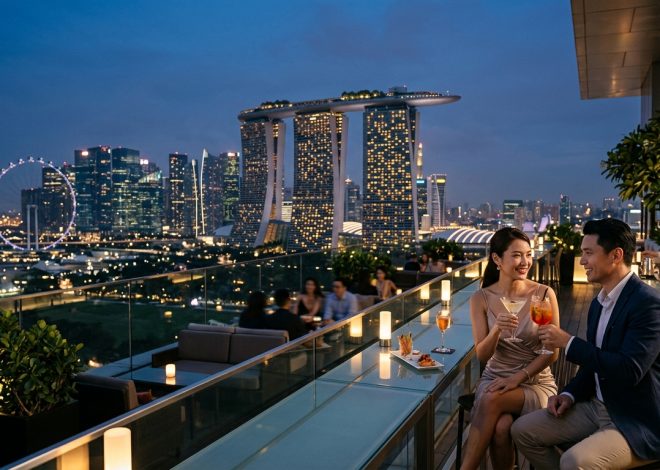
Tourists typically follow a well-worn circuit. Marina Bay Sands. Gardens by the Bay. Sentosa. Clarke Quay.
These places are stunning, but they don’t tell the full story.
The real Singapore exists in wet markets where aunties haggle over fish prices, in kampongs where chickens still roam freely, and on islands where time seems to move at half speed. These hidden gems require a bit more effort to reach, but that’s precisely what keeps them special.
Most travellers never venture beyond the central tourist zones because they don’t know where to look. Local Singaporeans guard their favourite spots quietly, sharing them mainly through word of mouth. But once you know where to go, you’ll find a side of Singapore that feels genuinely different from the polished tourist version.
Nature Escapes That Feel Worlds Away
Pulau Ubin
This rustic island sits just a 10-minute bumboat ride from Changi Point Ferry Terminal, yet it feels like stepping back 50 years.
Bicycles are the main transport here. Wooden kampong houses still stand on stilts. Wild boars wander the trails.
The Chek Jawa Wetlands on the eastern tip showcase six ecosystems in one compact area. Mangroves, coastal forests, sandy beaches, rocky shores, seagrass lagoons, and coral rubble all meet here. Visit during low tide to walk the boardwalk and spot starfish, sea cucumbers, and hermit crabs in the tidal pools.
Rent a bike from one of the shops near the jetty for about $10 to $15 per day. The island has minimal signage, so grab a map or download an offline version before you go. Bring cash because most vendors don’t accept cards.
The last bumboat typically leaves around 7pm, so plan accordingly.
Coney Island Park
Connected to mainland Singapore by two bridges, Coney Island offers 50 hectares of coastal forest and grassland.
Unlike East Coast Park, which draws massive weekend crowds, Coney Island remains relatively peaceful even on Saturdays. The island prohibits bicycles and personal mobility devices, making it ideal for slow walks and birdwatching.
Three main trails crisscross the island. The coastal route hugs the northern shore with views across to Johor. The central path cuts through shaded forest. The western beach track offers sandy stretches perfect for watching planes descend into Changi Airport.
Keep an eye out for the island’s resident wildlife. Long-tailed macaques, monitor lizards, and over 80 bird species call this place home.
Access Coney Island via the western entrance at Punggol Settlement or the eastern entrance near Punggol Promenade. Both connect to Punggol MRT station via a pleasant 15-minute walk.
Rail Corridor
This 24-kilometre green corridor follows the old Keretapi Tanah Melayu railway line that once connected Singapore to Malaysia.
The tracks are gone now, replaced by a walking and cycling path that cuts through some of Singapore’s most interesting neighbourhoods. You’ll pass through Bukit Timah, Bukit Merah, and Queenstown, seeing the city from angles most visitors never experience.
The section between Hillview and Rail Mall is particularly scenic, with thick vegetation on both sides creating a tunnel of green. Former railway stations at Bukit Timah and Tanjong Pagar have been preserved as heritage sites.
Unlike manicured park connectors, the Rail Corridor retains a raw, unpolished feel. Graffiti decorates old railway infrastructure. Community gardens spring up along the edges. Local runners and cyclists use it as their regular route, giving you a glimpse of everyday Singaporean life.
Start at any point along the corridor. The stretch from Hillview MRT to King Albert Park MRT makes for an easy 3-kilometre walk.
Cultural Treasures Hiding in Plain Sight
Haw Par Villa
This bizarre theme park filled with over 1,000 statues and dioramas depicting Chinese mythology and folklore is free to enter, yet most tourists skip it entirely.
Built in 1937 by the creators of Tiger Balm, Haw Par Villa presents moral lessons through vivid, sometimes disturbing sculptures. The Ten Courts of Hell exhibit is particularly memorable, showing in graphic detail what happens to sinners in the afterlife according to Chinese Buddhist and Taoist beliefs.
It’s weird. It’s colourful. It’s completely unique.
The park fell into disrepair for years but underwent restoration in recent times. New exhibits and improved signage make it easier to understand the stories behind the sculptures.
Give yourself at least 90 minutes to wander the grounds properly. The park sits right next to Haw Par Villa MRT station on the Circle Line, making access simple.
“Haw Par Villa is one of those places that reminds you Singapore wasn’t always about efficiency and modernity. It’s messy, strange, and utterly fascinating because of it.” – Local heritage advocate
Kampong Lorong Buangkok
Singapore’s last surviving traditional village exists in the middle of Hougang, surrounded by HDB flats and modern infrastructure.
About 20 families still live here in zinc-roofed wooden houses, raising chickens and growing vegetables in their gardens. Walking through feels like time travel, especially when you remember that gleaming condominiums stand just metres away.
The kampong survives on rented land owned by a single landlord who has resisted development offers for decades. How much longer it will remain is anyone’s guess, making a visit now particularly meaningful.
Be respectful when visiting. This is a real neighbourhood where people live their daily lives. Don’t enter private property or disturb residents. Stay on the main paths and keep noise levels down.
Take the MRT to Yio Chu Kang station, then catch bus 103 or 147 to the Yio Chu Kang Road stop. The kampong entrance is a short walk from there.
Thian Hock Keng Temple
While tourists flock to Buddha Tooth Relic Temple in Chinatown, locals quietly worship at Thian Hock Keng on Telok Ayer Street.
Built in 1839, this is one of Singapore’s oldest Chinese temples. Hokkien immigrants constructed it as a place to give thanks for safe passage across the South China Sea. Ironically, the temple now sits several blocks inland due to land reclamation.
The architecture is stunning. Intricate roof decorations, hand-carved stone pillars, and detailed ceramic sculptures cover every surface. Unlike newer temples, no modern building materials were used in the original construction. Everything was imported from China and assembled by master craftsmen.
Visit early in the morning to see devotees making offerings and burning incense. The temple is free to enter, though donations are appreciated. Photography is allowed, but be mindful of worshippers.
Telok Ayer MRT station is the closest stop, just a two-minute walk away.
Neighbourhood Secrets Worth Seeking Out
Tiong Bahru
This pre-war housing estate has transformed into Singapore’s hippest neighbourhood without losing its old-world charm.
Art Deco apartment blocks from the 1930s still dominate the skyline. Elderly residents practice tai chi in the morning at Tiong Bahru Park. The wet market bustles with activity from dawn until noon.
But tucked between the heritage architecture, you’ll find independent bookstores, specialty coffee roasters, craft beer bars, and bakeries selling sourdough and croissants. It’s a fascinating blend of old and new, traditional and trendy.
Tiong Bahru Market & Food Centre on the ground floor serves some of Singapore’s best hawker food. The chwee kueh (steamed rice cakes) at Jian Bo Shui Kueh regularly draws queues. Or Luak (oyster omelette) from Tiong Bahru Lor Mee is another local favourite.
Spend a morning wandering the residential streets, then grab lunch at the hawker centre before browsing the shops along Yong Siak Street and Eng Hoon Street. If you’re considering where to base yourself during your Singapore trip, why Tiong Bahru is Singapore’s most charming neighbourhood for hotel stays becomes obvious once you visit.
Tiong Bahru MRT station on the East West Line puts you right in the heart of the neighbourhood.
Joo Chiat and Katong
These adjacent neighbourhoods showcase Peranakan culture through their colourful shophouses, traditional eateries, and heritage architecture.
Peranakans, also called Straits Chinese, are descendants of Chinese immigrants who married local Malays centuries ago. Their unique culture blends Chinese, Malay, and European influences, particularly visible in their cuisine, language, and decorative arts.
Koon Seng Road is famous for its Instagram-worthy pastel shophouses, but the real treasures lie in the food. Katong Laksa, a spicy coconut-based noodle soup, originated here. Multiple stalls claim to serve the original recipe, and trying to pick a favourite is part of the fun.
The Intan is a private Peranakan home museum run by a passionate collector. Visits are by appointment only and offer an intimate look at Peranakan antiques, textiles, and family heirlooms. The owner personally guides each tour, sharing stories about the items and the culture.
Paya Lebar or Eunos MRT stations are the closest, both requiring a 10 to 15-minute walk or short bus ride to reach the main heritage areas.
Everton Park
This quiet HDB estate near Outram Park hides a surprising collection of independent cafes, bars, and restaurants.
What was once a typical residential neighbourhood has slowly transformed into a food destination, but without the crowds that plague trendier areas. You can still find a table on weekend evenings, and prices remain reasonable.
The mix of establishments ranges from Italian trattorias to Japanese izakayas to modern Australian brunch spots. Many are run by young chefs who chose Everton Park specifically because the lower rents allow them to experiment without the pressure of tourist-heavy locations.
It’s the kind of neighbourhood where you’ll see more locals than visitors, where conversations happen in Singlish, and where the vibe feels genuinely relaxed.
Outram Park MRT station is the closest access point, about a 10-minute walk away.
How to Plan Your Hidden Gem Route
Finding these spots requires a different approach than typical sightseeing. Here’s how to make it work.
1. Group by Geography
Singapore is small, but travelling between regions still takes time. Cluster your hidden gem visits by area to maximise efficiency.
Pair Pulau Ubin with a visit to Changi Village for hawker food. Combine Tiong Bahru with Haw Par Villa since they’re both on the Circle Line. Link Kampong Lorong Buangkok with a trip to Coney Island in the northeast.
2. Check Opening Hours and Accessibility
Not all hidden gems operate on tourist-friendly schedules.
Wet markets are liveliest before 10am. Kampong Lorong Buangkok is best visited during daylight hours. Bumboats to Pulau Ubin stop running by early evening. Some private museums require advance booking.
Do your homework before setting out. A wasted trip to a closed location eats into your limited Singapore time.
3. Allow for Spontaneity
The best discoveries often happen by accident.
Leave gaps in your schedule for wandering. Take a wrong turn down an interesting-looking street. Stop at a hawker stall that smells amazing even if it wasn’t on your list. Chat with locals who might share their own favourite spots.
Rigid itineraries work for hitting major attractions, but hidden gems reveal themselves to travellers who allow space for serendipity.
Common Mistakes When Seeking Hidden Gems
| Mistake | Why It Happens | Better Approach |
|---|---|---|
| Visiting during peak hours | Following typical tourist schedules | Go early morning or late afternoon when locals visit |
| Expecting Instagram perfection | Social media creates unrealistic expectations | Appreciate authenticity over aesthetics |
| Rushing through locations | Trying to see too much in one day | Spend quality time at fewer places |
| Ignoring local etiquette | Not researching cultural norms | Observe how locals behave and follow suit |
| Only visiting on weekends | Assuming everything is better on Saturdays | Weekdays often offer quieter, more authentic experiences |
Getting Around to Off-the-Beaten-Path Spots
Singapore’s public transport system is excellent, but some hidden gems require extra navigation skills.
The MRT gets you close to most locations, but you’ll often need to walk 10 to 20 minutes or catch a connecting bus. Download the essential Singapore travel apps before you arrive to make route planning easier.
Google Maps works well for general navigation, but Citymapper and the official MyTransport app provide more detailed public transport information. Both show real-time bus arrivals and MRT service updates.
For places like Pulau Ubin or the outer reaches of the Rail Corridor, consider grabbing a taxi or using a ride-sharing app. The cost is minimal compared to the time saved, and some locations simply aren’t well-served by public transport.
Walking is underrated in Singapore. Yes, it’s hot and humid, but many neighbourhoods reveal their character only when you slow down and wander on foot. Bring water, wear comfortable shoes, and embrace the sweat. It’s part of the experience.
What to Pack for Hidden Gem Hunting
The gear you need depends on which type of hidden gem you’re visiting.
For nature spots like Pulau Ubin, Coney Island, or the Rail Corridor:
– Comfortable walking shoes with good grip
– Sunscreen and a hat
– Insect repellent
– Refillable water bottle
– Small backpack
– Portable phone charger
For cultural and neighbourhood visits:
– Modest clothing for temples and religious sites
– Cash for hawker centres and small shops
– Lightweight rain jacket
– Camera or phone with plenty of storage
Singapore’s weather is consistently hot and humid year-round, with sudden tropical downpours common. Check Singapore’s weather and climate to understand what to expect during your visit.
Balancing Hidden Gems with Major Attractions
You don’t have to choose between seeing the iconic sights and finding authentic local experiences. The best Singapore trips blend both.
Spend your first day or two hitting the major attractions. Marina Bay Sands, Gardens by the Bay, and Sentosa exist for good reasons. They’re genuinely impressive and give you a sense of Singapore’s modern identity.
Then dedicate your remaining time to hidden gems. This approach lets you understand both sides of Singapore: the gleaming, efficient city-state that appears in promotional materials and the grittier, more complex reality underneath.
If you’re planning your accommodation strategy, the ultimate first-timer’s guide to navigating Singapore like a local covers neighbourhood selection and logistics in detail.
Food Adventures Beyond Tourist Restaurants
Hidden gems aren’t just about places. Singapore’s food scene has layers that most visitors never taste.
Skip the hawker centres mentioned in every guidebook. Maxwell Food Centre and Lau Pa Sat are good, but they’re packed with tourists paying inflated prices.
Instead, try these local favourites:
- Chomp Chomp Food Centre in Serangoon Gardens for satay and BBQ seafood
- Old Airport Road Food Centre for hokkien mee and oyster omelette
- Dunman Food Centre for nasi lemak and Indian rojak
- ABC Brickworks Market & Food Centre for traditional Malay and Chinese dishes
The further you venture from central tourist zones, the better the food gets and the lower the prices drop. A full meal at a neighbourhood hawker centre costs $5 to $8, compared to $10 to $15 at tourist-focused spots.
For a deeper look at where Singaporeans actually eat, the ultimate guide to hawker centres in Singapore breaks down the best centres by neighbourhood and specialty.
When Hidden Gems Get Too Popular
The irony of writing about hidden gems is that sharing them risks ruining what makes them special.
Some spots on this list are already experiencing growing visitor numbers. Tiong Bahru, for example, has shifted from genuine neighbourhood to trendy destination over the past decade. Haw Par Villa, once genuinely overlooked, now appears in more guidebooks and travel blogs.
This doesn’t mean they’re not worth visiting. But it does mean you should adjust your expectations and timing.
Visit popular hidden gems early in the morning or on weekdays when possible. Respect the local residents and businesses. Don’t treat neighbourhoods like theme parks. Buy from local shops. Eat at local restaurants. Engage with the places you visit rather than just photographing them.
The most valuable hidden gems are the ones you find yourself. Use this list as a starting point, but stay curious. Ask hotel staff, chat with shopkeepers, follow locals down interesting-looking streets. Singapore rewards travellers who look beyond the surface.
Making Hidden Gems Part of Your Singapore Story
The difference between a good Singapore trip and a great one often comes down to the unexpected moments.
Finding a tiny temple tucked between office buildings. Stumbling onto a wet market in full swing. Watching the sunset from an empty beach while planes descend overhead. These experiences stick with you longer than any skyline photo.
Hidden gems require more effort than following a standard itinerary. They involve getting slightly lost, asking for directions, and occasionally ending up somewhere that doesn’t quite match your expectations.
But that’s the point. Singapore is more than its efficient reputation suggests. It’s messy and contradictory and full of surprises. The hidden gems prove it.
Before you finalise your plans, consider how much a Singapore holiday actually costs so you can budget appropriately for both major attractions and off-the-beaten-path adventures.
Your Singapore Beyond the Guidebook
The hidden gems in this guide offer a starting point for seeing Singapore through local eyes rather than tourist lenses.
Some will become your favourite memories. Others might not click with your travel style. That’s fine. The goal isn’t to visit every spot on this list but to develop the mindset that looks beyond the obvious.
Singapore rewards curious travellers who venture past Marina Bay, who wake up early to catch markets at their liveliest, who take the MRT to the end of the line just to see what’s there.
Pack comfortable shoes. Bring an open mind. Leave room in your schedule for detours and discoveries. The real Singapore is waiting just off the main tourist path.