Why Tiong Bahru Is Singapore’s Most Charming Neighbourhood for Hotel Stays
Tiong Bahru doesn’t shout for attention. This low-rise neighbourhood sits quietly southwest of the city centre, drawing travellers who want something different from Singapore’s glass towers and shopping malls. The streets here curve around 1930s Art Deco blocks, independent bookshops share space with traditional wet markets, and locals still outnumber tourists at breakfast spots.
Tiong Bahru blends heritage architecture with modern cafés and authentic hawker culture. This compact neighbourhood offers visitors a genuine Singapore experience away from tourist crowds. You can walk the entire area in 30 minutes, making it perfect for short stays or day visits from nearby hotels.
Why Tiong Bahru feels different from other Singapore neighbourhoods
Most Singapore tourist districts feel designed for visitors. Tiong Bahru evolved organically.
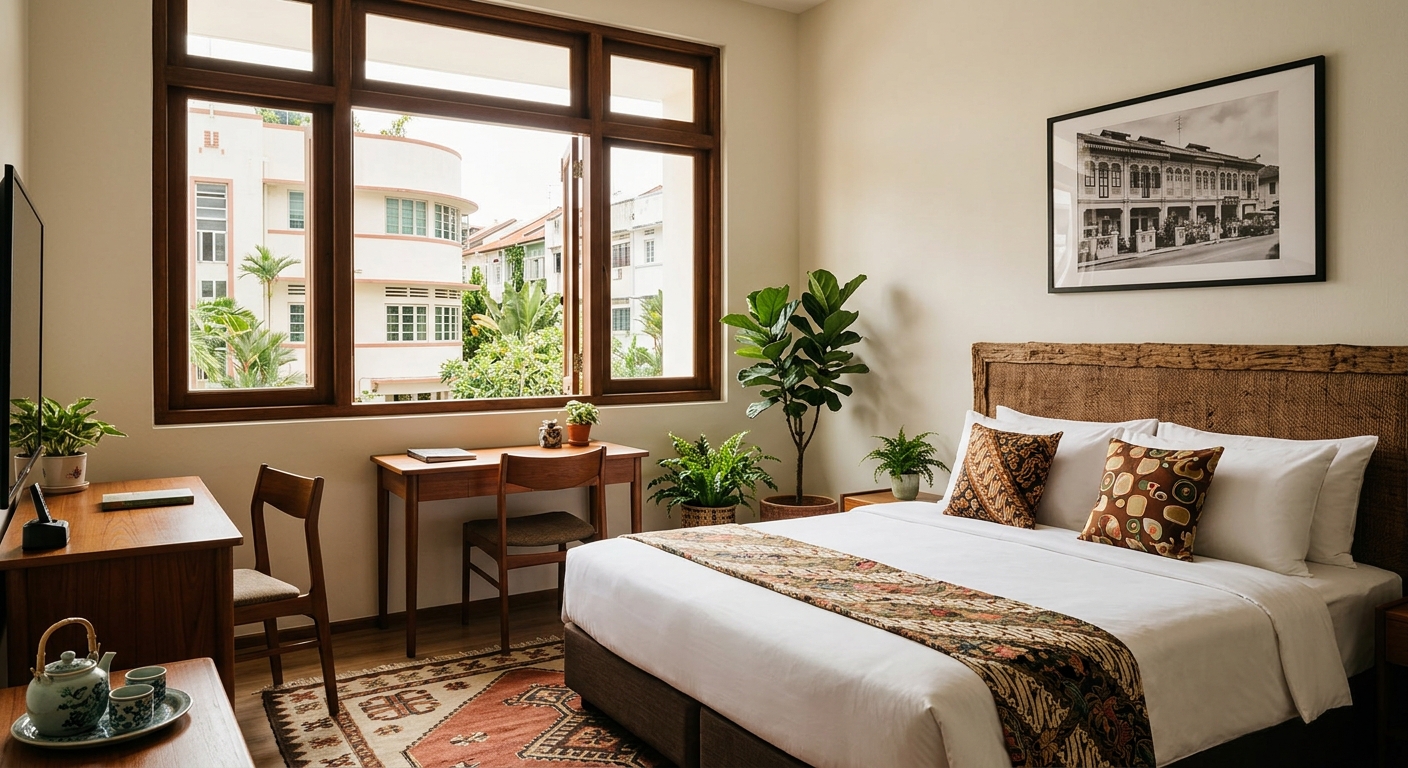
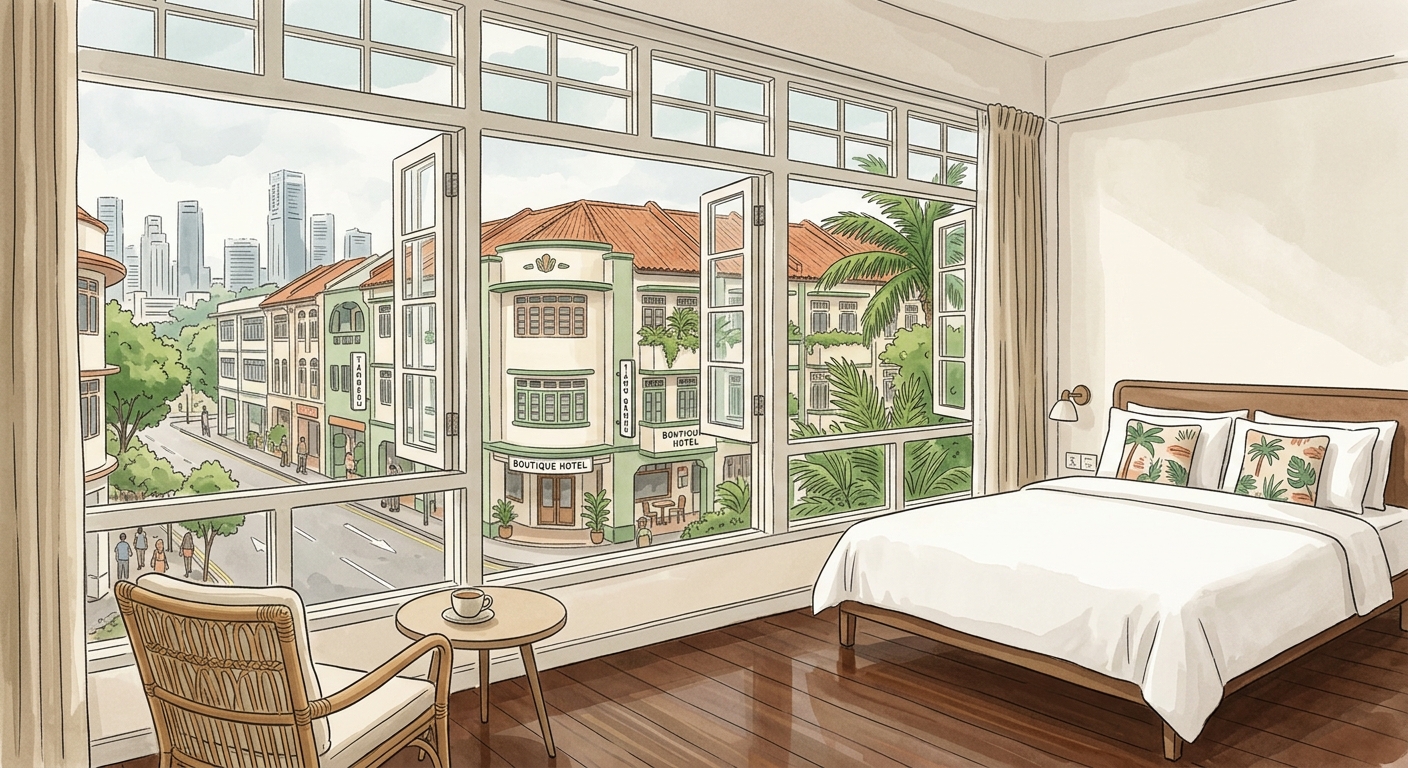
Built in the 1930s as Singapore’s first public housing estate, the neighbourhood retains its original Art Deco buildings. Curved balconies, spiral staircases, and rounded corners define the architectural style. Residents still hang laundry from windows. Children play in void decks beneath the flats.
The neighbourhood sits between Outram and Redhill MRT stations. Both are on the East West Line, putting you 15 minutes from Orchard Road and 20 minutes from Changi Airport. Yet the area feels worlds away from Singapore’s busier districts.
Local families have lived here for generations. They shop at the wet market every morning, eat at the same hawker stalls, and know their neighbours by name. This continuity creates an atmosphere you won’t find in newer developments.
Cafés and boutiques arrived in the 2010s, but they adapted to the neighbourhood rather than transforming it. You’ll find specialty coffee shops next to traditional provision stores. Vintage clothing boutiques operate beside family-run hardware shops.
Getting around Tiong Bahru on foot
The neighbourhood covers roughly one square kilometre. Everything sits within walking distance.
Start at Tiong Bahru Market on Seng Poh Road. This landmark building anchors the neighbourhood. From here, you can reach any corner of Tiong Bahru in under 10 minutes on foot.
The main commercial streets include:
- Yong Siak Street (cafés and restaurants)
- Eng Hoon Street (boutiques and bookshops)
- Tiong Bahru Road (traditional shophouses)
- Seng Poh Road (market and hawker centre)
Streets follow gentle curves rather than rigid grids. This layout encourages wandering. You’ll spot hidden courtyards, community gardens, and unexpected murals.
Most blocks have covered walkways at ground level. These five-foot ways provide shade and shelter, making walks comfortable even during afternoon heat or sudden rain.
Footpaths are well-maintained and accessible. The neighbourhood’s flat terrain suits all fitness levels. Families with prams and elderly visitors navigate easily.
How to experience Tiong Bahru like a local
Follow this three-step approach to get the most from your visit.
-
Start your morning at the wet market before 9am. Arrive early when vendors display the freshest produce and the hawker centre serves breakfast to neighbourhood residents. Order chwee kueh (steamed rice cakes) or lor mee (braised noodles) from stalls that have operated for decades.
-
Walk the residential blocks between 10am and noon. The Art Deco buildings look best in morning light. Notice the architectural details: curved balconies, porthole windows, and geometric patterns. Residents water plants and chat with neighbours during these hours, giving you a glimpse of daily life.
-
Return for late afternoon coffee and browsing. Cafés and shops open around 11am and stay lively until evening. This timing lets you avoid midday heat while catching the neighbourhood’s contemporary side. Independent bookshops, record stores, and design boutiques reward unhurried browsing.
“Tiong Bahru works best when you slow down. Skip the checklist mentality. Sit at a café for an hour. Walk the same street twice. The neighbourhood reveals itself to people who take time.” – Long-time Tiong Bahru resident
What to eat in Tiong Bahru
The neighbourhood offers two distinct food experiences.
Traditional hawker food centres on Tiong Bahru Market’s second-floor hawker centre. Stalls serve Hainanese chicken rice, char kway teow (fried noodles), and rojak (fruit and vegetable salad). Prices stay reasonable, with most dishes costing between S$3 and S$6.
Popular stalls include Jian Bo Shui Kueh for steamed rice cakes, Tiong Bahru Fried Kway Teow for wok-fried noodles, and Lao Ban for traditional soya bean milk. Expect queues at peak breakfast and lunch hours.
Modern cafés and bakeries line Yong Siak Street and nearby lanes. Tiong Bahru Bakery pioneered the neighbourhood’s café culture and still draws crowds for croissants and kouign-amann. Plain Vanilla Bakery serves American-style cupcakes and layer cakes. Forty Hands roasts its own coffee beans.
These establishments charge café prices (S$5 to S$8 for coffee, S$8 to S$15 for food). But the quality matches international standards, and outdoor seating lets you watch neighbourhood life unfold.
For visitors wanting both experiences, try this approach: eat breakfast at the hawker centre, then return for afternoon coffee at a café. You’ll spend less than S$20 total while sampling both food cultures. If you’re planning to visit more hawker centres in Singapore where locals actually eat, Tiong Bahru Market makes an excellent introduction.
Shopping for books, records, and vintage finds
Tiong Bahru’s retail scene favours independent shops over chain stores.
Books Actually on Yong Siak Street stocks literary fiction, poetry, and Singapore writing. The shop also publishes local authors under its own imprint. Staff recommendations are thoughtful and specific.
Curated Records sells vinyl across genres, with strength in jazz, soul, and Asian pressings. The owner knows the collection intimately and can guide you to discoveries.
Strangelets combines vintage clothing with contemporary Asian designers. Pieces lean toward minimalist aesthetics and natural fabrics. Prices reflect the curation but remain more accessible than high-street boutiques.
Nana & Bird offers homeware, stationery, and small gifts. The selection emphasises Scandinavian and Japanese design principles.
Most shops open around 11am and close by 7pm or 8pm. Sundays and Mondays see shorter hours or closures. Call ahead if you’re visiting specifically for one store.
The shopping experience here differs from Singapore’s malls. Shops are small, personal, and conversation-based. Owners often work the floor and welcome questions. Budget extra time for browsing and chatting.
Understanding Tiong Bahru’s Art Deco architecture
The neighbourhood’s buildings date from 1936 to 1954. They represent Singapore’s first experiment with modernist public housing.
Architects drew inspiration from European streamline moderne and tropical design principles. The result: buildings adapted to Singapore’s climate while embracing Art Deco aesthetics.
Key architectural features include:
- Curved corner blocks that follow street layouts
- Horizontal bands and geometric patterns
- Rounded balconies with metal railings
- Spiral staircases in common areas
- Cross-ventilation through opposing windows
- Ground-floor shops with residential units above
The Singapore Land Authority designated 20 blocks as conserved buildings in 2003. This status protects the structures from demolition and regulates renovations.
You can spot the best examples on Tiong Bahru Road, Eng Hoon Street, and Guan Chuan Street. Block 78 on Moh Guan Terrace features particularly striking curved balconies. Block 55 on Tiong Bahru Road shows the classic horseshoe layout.
Photography enthusiasts should visit during golden hour (around 6pm to 7pm). The low sun highlights the buildings’ curves and creates dramatic shadows. Early mornings offer softer light and fewer people.
Comparing Tiong Bahru to other Singapore neighbourhoods
This table helps you understand how Tiong Bahru differs from alternatives.
| Neighbourhood | Architecture | Crowd Level | Food Scene | Best For |
|---|---|---|---|---|
| Tiong Bahru | 1930s Art Deco | Low to moderate | Hawker + cafés | Architecture lovers, café culture |
| Chinatown | Shophouses, temples | High | Traditional Chinese | Cultural sites, souvenirs |
| Kampong Glam | Malay heritage | Moderate to high | Middle Eastern, Malay | Muslim culture, textiles |
| Holland Village | Modern low-rise | Moderate | International dining | Expat scene, nightlife |
| Katong/Joo Chiat | Peranakan shophouses | Low to moderate | Peranakan food | Heritage, beaches |
Tiong Bahru offers the calmest atmosphere among these options. You’ll encounter other visitors, but the neighbourhood never feels overrun. Local residents still form the majority of people you’ll see.
The compact size works in your favour. You can see everything in half a day, making it manageable even on tight schedules. Other heritage neighbourhoods like Chinatown require more time to cover properly.
Where to stay near Tiong Bahru
The neighbourhood itself has limited hotel options. Most visitors stay nearby and visit for a few hours or a full day.
Hotels within walking distance:
The closest accommodations sit in Outram and River Valley, both 10 to 15 minutes away on foot. These areas offer better hotel infrastructure while keeping Tiong Bahru accessible.
Hotels one MRT stop away:
Outram Park MRT connects to Tiong Bahru in three minutes. Hotels near Outram Park Station put you close enough for morning market visits before the crowds arrive.
Boutique options:
For travellers prioritising character over location, boutique hotels in Singapore that locals actually recommend often provide better value than chain properties. Several cluster in nearby Tanjong Pagar, one stop east of Outram Park.
The neighbourhood works well as a day visit from any central Singapore hotel. MRT access makes it easy to include in a broader itinerary. First-time visitors might appreciate guidance on navigating Singapore like a local before venturing out.
When to visit Tiong Bahru throughout the day
Timing changes your experience significantly.
6am to 9am: The wet market operates at full energy. Vendors arrange produce, residents shop for ingredients, and hawker stalls serve breakfast. This window offers the most authentic local atmosphere. Arrive by 7am for the best selection and people-watching.
9am to 11am: The market winds down as cafés prepare to open. Streets empty briefly. This quiet period suits architectural photography without crowds. The light is still manageable before noon heat sets in.
11am to 3pm: Cafés hit peak hours. Brunch crowds fill outdoor tables. Shops open for browsing. Temperatures climb, making air-conditioned spaces appealing. This period works for coffee, lunch, and retail therapy.
3pm to 6pm: Activity slows. Locals return home from work and errands. Some shops close. Cafés see their afternoon lull. This timing suits relaxed wandering without specific agenda.
6pm to 9pm: Dinner crowds return. Hawker stalls serve evening meals. Some cafés stay open for drinks and light bites. The neighbourhood takes on a residential evening rhythm rather than nightlife energy.
Most visitors find morning (7am to 11am) or late afternoon (4pm to 7pm) most rewarding. These windows balance comfortable temperatures, open establishments, and authentic neighbourhood activity.
Common mistakes visitors make in Tiong Bahru
Avoid these pitfalls to improve your visit.
Mistake 1: Rushing through in 30 minutes. The neighbourhood rewards slow exploration. Budget at least two hours, preferably three. Sit at a café. Browse a bookshop thoroughly. Walk the residential blocks twice.
Mistake 2: Skipping the wet market. Many visitors stick to the cafés and miss the market entirely. The market represents Tiong Bahru’s soul. Even if you don’t buy anything, walk through to observe daily life.
Mistake 3: Visiting only on weekends. Weekend crowds dilute the neighbourhood’s calm character. Weekday mornings offer a more authentic experience with fewer visitors and more locals going about routines.
Mistake 4: Ignoring the residential blocks. Yong Siak Street’s cafés get attention, but the surrounding housing blocks contain the architectural interest. Walk Guan Chuan Street, Eng Hoon Street, and Tiong Bahru Road to see the best Art Deco examples.
Mistake 5: Comparing it to Chinatown or Little India. Tiong Bahru isn’t an ethnic enclave or tourist attraction. It’s a living neighbourhood with heritage architecture and modern additions. Adjust expectations accordingly.
Mistake 6: Overdressing. The neighbourhood is casual. Comfortable walking shoes, light clothing, and sun protection serve better than dressy outfits. You’ll be walking on uneven pavements and climbing stairs.
Planning your Tiong Bahru visit
Use this checklist to prepare:
- Check the weather forecast (afternoon thunderstorms are common)
- Bring cash (some hawker stalls don’t accept cards)
- Wear comfortable walking shoes
- Download an offline map of the area
- Allow flexible timing (don’t overpack your schedule)
- Bring a reusable water bottle
- Charge your phone for photos
The neighbourhood requires no advance bookings. Cafés don’t take reservations. Shops welcome walk-ins. The wet market operates first-come, first-served.
This spontaneity lets you adjust plans based on energy, weather, and discoveries. If you find a café you love, stay longer. If a shop intrigues you, browse thoroughly. The lack of rigid structure suits Tiong Bahru’s unhurried character.
For context on Singapore beyond this neighbourhood, the city offers diverse experiences from rooftop bars and sky-high experiences to traditional markets. Tiong Bahru represents one facet of a multifaceted city.
What makes Tiong Bahru worth your time
Singapore moves fast. New developments replace old structures constantly. Shopping malls look similar. Tourist areas feel interchangeable.
Tiong Bahru offers something different: continuity.
The same buildings have stood for 80 years. Families have lived here across generations. Hawker stalls pass from parents to children. The neighbourhood evolves without erasing its past.
This stability creates a rare atmosphere in a rapidly changing city. You can sit at a café in a 1930s building, eat breakfast prepared by a third-generation hawker, and browse books in a shop that champions local writing. These experiences connect you to Singapore’s layers rather than just its surface.
The neighbourhood doesn’t try to be a tourist attraction. It simply exists, welcoming visitors who appreciate what it offers. That authenticity makes it valuable.
Whether you spend two hours or a full day here, Tiong Bahru gives you a different perspective on Singapore. One where heritage and progress coexist. Where locals and visitors share space comfortably. Where slowing down feels natural rather than forced.
Visit with curiosity rather than a checklist. Talk to shopkeepers. Try unfamiliar foods. Walk streets without a specific destination. Let the neighbourhood reveal itself at its own pace.