Singapore’s Weather and Climate: What to Pack for Every Season
Singapore’s weather doesn’t change much throughout the year. You won’t need a winter coat or boots. What you will need is a smart approach to packing for constant warmth, high humidity, sudden downpours, and Arctic-level air conditioning indoors. Most first-time visitors pack completely wrong. They bring too many clothes, the wrong fabrics, and forget the items that actually matter when you’re sweating through hawker centres one minute and shivering in shopping malls the next.
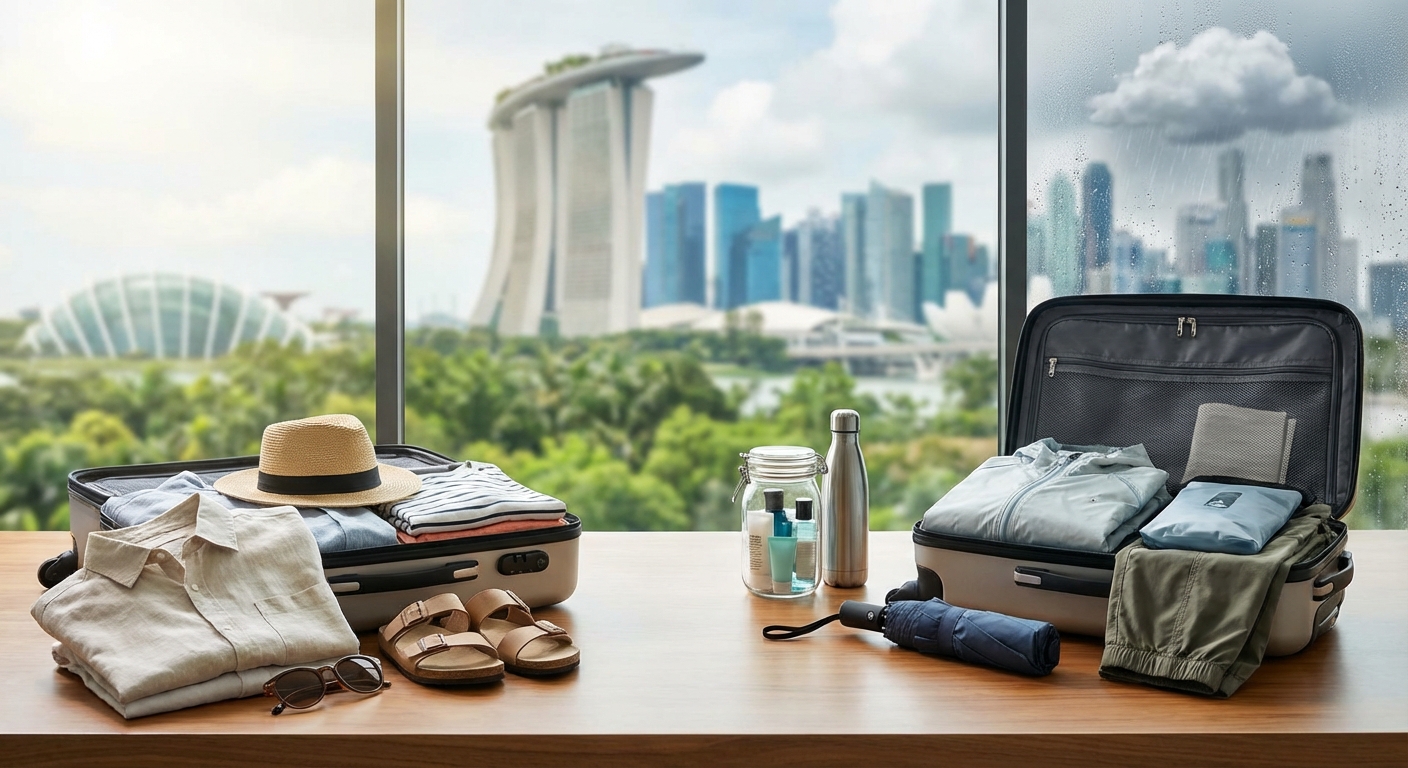
Singapore stays hot and humid year-round with temperatures between 25°C and 31°C. Pack lightweight, breathable fabrics, a compact umbrella, comfortable walking shoes, and a light cardigan for over-air-conditioned spaces. Focus on moisture-wicking materials, sun protection, and items that dry fast. You’ll need less than you think, but what you bring needs to work hard in tropical conditions.
Understanding Singapore’s Year-Round Tropical Climate
Singapore sits one degree north of the equator. The temperature barely fluctuates. Expect highs around 31°C and lows around 25°C every single month.
Humidity averages 84%. That means your clothes will stick to your skin within minutes of stepping outside. Fabrics that work perfectly well back home turn into sweat traps here.
Rain falls throughout the year, not just during monsoon season. The wettest months run from November to January, but afternoon thunderstorms happen in July too. These downpours arrive suddenly, dump buckets of water for 20 to 40 minutes, then disappear.
The sun sets around 7pm year-round. No long summer evenings or early winter darkness. This consistency makes packing simpler once you understand the pattern.
Essential Clothing for Tropical Heat and Humidity
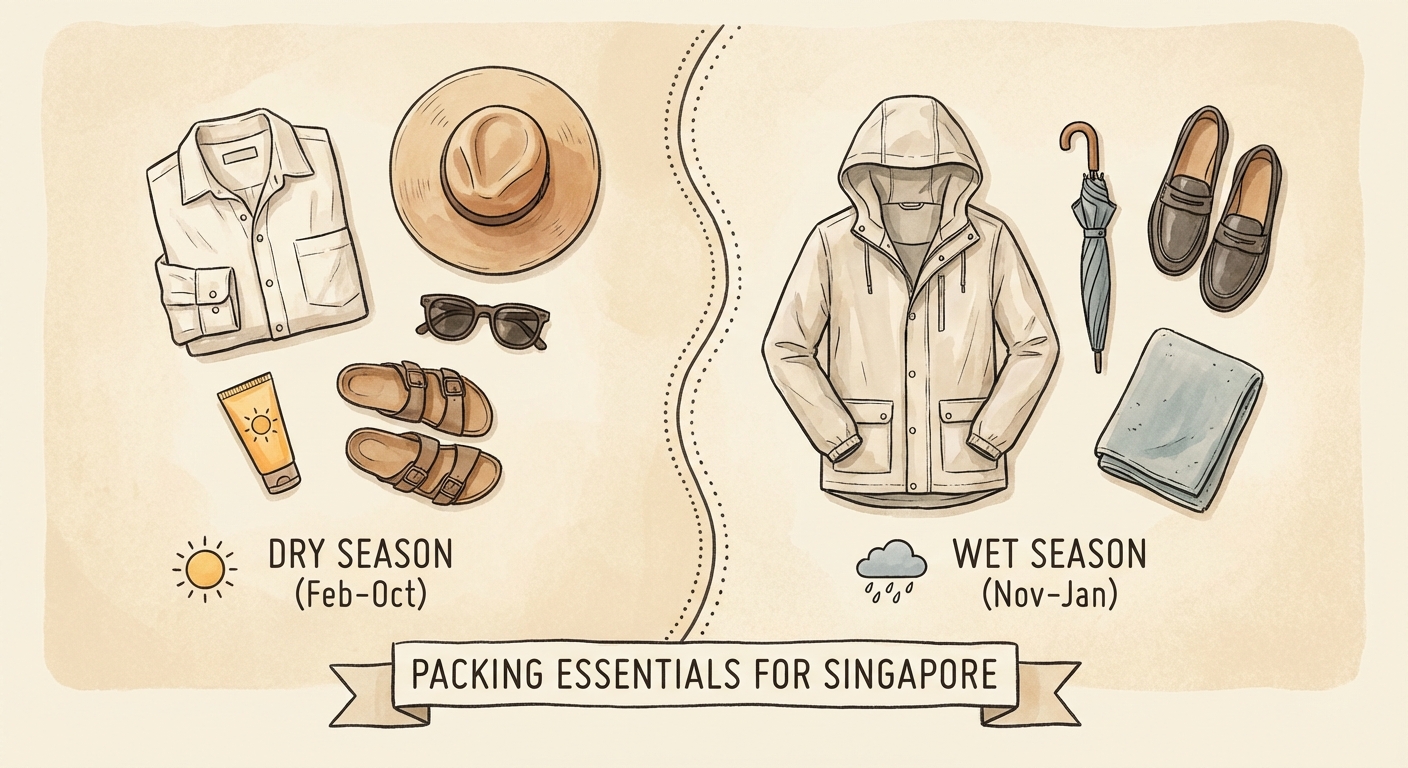
Your clothing choices will make or break your comfort level. Synthetic moisture-wicking fabrics work better than cotton, which stays damp and heavy in high humidity.
Tops and Shirts
Bring 4 to 5 lightweight tops. Technical fabrics designed for sports or hiking perform brilliantly in Singapore’s climate. They dry faster than cotton and don’t hold odours as badly.
Short sleeves work for most situations. Long sleeves in breathable fabric help if you sunburn easily or plan to visit religious sites. Loose fits allow air circulation better than tight clothing.
Skip white if possible. It shows sweat stains immediately. Light colours still work, but patterns hide the inevitable dampness better.
Bottoms
Pack 2 to 3 pairs of shorts and 2 pairs of lightweight trousers. Locals wear shorts everywhere except offices and upscale restaurants. You’ll fit right in.
Women can wear skirts or dresses. Knee-length or longer works for temple visits without needing to change. Flowy fabrics feel cooler than structured materials.
Avoid jeans. They’re too heavy, take forever to dry, and trap heat against your skin. If you must bring denim, choose thin, stretchy versions.
Special Occasion Outfits
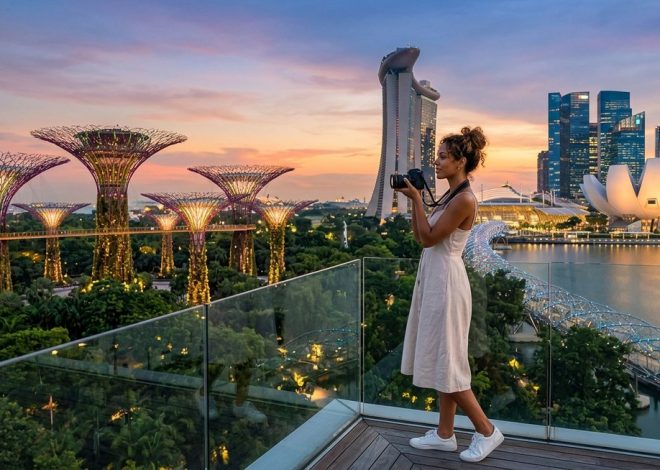
Most restaurants and bars have relaxed dress codes. Smart casual means clean clothes without holes, not formal wear. One nice outfit covers rooftop bars and decent restaurants if you’re planning to visit Singapore’s best rooftop bars and sky-high experiences.
Men rarely need collared shirts outside business settings. Women don’t need heels. Comfort wins over formality in this climate.
Footwear That Survives Heat, Rain, and Walking
You’ll walk more than you expect. Singapore’s public transport system gets you close, but the final stretch always involves pavement pounding.
Walking Shoes
One pair of comfortable, broken-in walking shoes or trainers is essential. Choose styles with good arch support and breathable uppers.
Mesh panels help with ventilation. Your feet will sweat regardless, but airflow reduces the worst of it.
Make sure they handle rain. Leather takes days to dry in humid conditions. Synthetic materials or treated fabrics work better.
Sandals and Slides
Pack one pair of sturdy sandals with proper straps. Flip-flops work for short distances, but they’ll give you blisters if you’re covering serious ground.
Sports sandals with adjustable straps handle both dry and wet conditions. They’re perfect for casual dinners after a day of sightseeing.
Avoid open-toed shoes if you’re squeamish about city grime. Singapore is clean, but hawker centres and wet markets involve splashes and spills.
What to Skip
Leave hiking boots at home unless you’re specifically planning nature trails. Regular walking shoes handle the Southern Ridges and MacRitchie Reservoir just fine.
Don’t bring shoes that need breaking in. Blisters in tropical heat lead to infections faster than in cooler climates.
Rain Protection That Actually Works
Singapore’s rain is relentless when it arrives. Standing under a shelter waiting it out works sometimes, but not when you have dinner reservations or a flight to catch.
Compact Umbrella
A small, sturdy umbrella fits in any day bag. Choose one that folds down to 20cm or less. You’ll carry it everywhere.
Wind resistance matters. Cheap umbrellas flip inside out during heavy storms. Invest in one with flexible ribs that bend without breaking.
Some hotels provide umbrellas, but you can’t count on it. Having your own means freedom to leave whenever you want.
Rain Jacket Alternative
A packable rain jacket works if you hate umbrellas. Look for breathable, waterproof fabrics. Non-breathable plastic ponchos trap heat and sweat, making you as wet inside as outside.
Most locals use umbrellas instead of rain jackets. The umbrella provides shade from sun too, giving you double functionality.
Waterproof Bags
A dry bag or waterproof pouch protects your phone, wallet, and passport. Even with an umbrella, rain bounces up from pavements and splashes from passing vehicles.
Ziplock bags work in a pinch. Slide your electronics inside before storms hit.
Dealing with Aggressive Air Conditioning
Indoor spaces in Singapore run cold. Shopping malls, restaurants, cinemas, and public transport keep temperatures around 18°C to 20°C.
The temperature shock going from 31°C outside to 18°C inside affects everyone. Your body doesn’t adjust smoothly to 13-degree swings every hour.
Light Layers
Pack one thin cardigan, light hoodie, or long-sleeved shirt. Cotton or lightweight knit works fine for this purpose since you’re wearing it in dry, cool conditions.
A large scarf or pashmina serves double duty as airplane blanket and mall coverage. Women find this more versatile than cardigans.
Keep your layer in your day bag. You’ll put it on and take it off a dozen times daily.
Long Pants Option
Having one pair of long, lightweight trousers helps for extended indoor time. Cinema marathons or rainy days spent in museums get genuinely cold.
This doesn’t need to be fancy. Basic cotton or linen trousers work perfectly.
Your Daily Carry Bag Essentials
What you carry daily matters as much as what you pack in your suitcase. Singapore involves constant transitions between outdoors, transport, and indoor spaces.
A comfortable crossbody bag or small backpack works better than a tote. Your hands stay free for phones, food, and grabbing MRT poles. If you’re planning to navigate around the city, understanding how to use Singapore’s MRT like a local makes everything smoother.
Daily Bag Checklist
- Compact umbrella
- Reusable water bottle
- Tissues or small towel
- Portable charger
- Light cardigan
- Sunglasses
- Sunscreen stick for reapplication
- Hand sanitiser
- Small amount of cash
The tissues matter more than you’d think. Public toilets don’t always stock paper. Hawker centres rarely do. A small pack saves awkward moments.
Sun Protection Beyond Sunscreen
The equatorial sun hits harder than most visitors expect. You’ll burn faster here than at similar temperatures back home.
Sunscreen Strategy
Bring a small tube from home to start, then buy locally if you run out. Guardian and Watsons pharmacies stock excellent Asian sunscreens that feel lighter than Western brands.
Apply before leaving your hotel. Reapply every two hours when outside. Sweat and humidity wash it off faster than the bottle suggests.
Stick formulas work better for faces in humid weather. Creams slide off with sweat.
Physical Protection
A lightweight cap or hat provides shade for your face and scalp. Choose breathable materials with ventilation holes.
Sunglasses aren’t optional. The glare off buildings and pavements strains your eyes. Polarised lenses help with reflections from wet surfaces after rain.
Long sleeves in UV-protective fabric work for people who burn easily. Athletic brands make shirts specifically for sun protection that still breathe in heat.
What You Can Skip to Save Luggage Space
First-time packers always bring too much. Singapore’s compact size and excellent shopping infrastructure mean you can buy almost anything you forget.
Toiletries
Travel sizes of shampoo, conditioner, and body wash suffice for the first day. Every 7-Eleven, Cheers, and FairPrice sells full-size versions for less than airport prices.
Don’t pack large bottles of anything. Buy locally or use hotel amenities.
Towels
Your hotel provides towels. You don’t need a travel towel unless you’re planning beach trips or staying in hostels.
A small microfibre cloth helps for wiping sweat or drying hands in a pinch. This fits in your pocket.
Multiple Shoes
Three pairs maximum: walking shoes, sandals, and optional smart shoes. More than that wastes luggage space you’ll need for shopping finds.
Excessive Clothing Changes
You’ll wear less variety than at home. The same shorts and t-shirt rotation works fine. Nobody tracks your outfit repeats.
Plan for 5 to 6 days of clothes maximum, even for longer trips. Hotel laundry services or self-service launderettes let you wash and dry overnight.
Packing Strategy by Trip Length
| Trip Length | Tops | Bottoms | Footwear | Special Items |
|---|---|---|---|---|
| 3-4 days | 4 tops | 2 shorts, 1 trousers | Walking shoes, sandals | 1 nice outfit |
| 5-7 days | 5 tops | 3 shorts, 2 trousers | Walking shoes, sandals | 1 nice outfit, gym clothes if needed |
| 8+ days | 6 tops | 3 shorts, 2 trousers | Walking shoes, sandals, optional smart shoes | 1-2 nice outfits, plan to do laundry |
This table assumes you’ll do laundry once during trips longer than a week. Most hotels offer same-day or next-day service.
Items That Make Singapore Easier
Some things aren’t obvious until you’re here sweating and wishing you’d thought ahead.
Portable Charger
Your phone battery drains faster in heat. You’ll use it constantly for maps, food photos, and finding where locals actually eat. A 10,000mAh power bank provides two full charges.
Reusable Water Bottle
Staying hydrated matters in this climate. Singapore’s tap water is safe to drink. Fill up at your hotel, in shopping malls, or at water fountains.
Single-use plastic bags cost money now. Shops charge for them. A reusable bottle saves cash and reduces waste.
Small Day Pack
A packable daypack folds into nothing when empty but expands for shopping, beach trips, or day excursions. More versatile than carrying shopping bags around.
Blister Plasters
Even broken-in shoes cause problems in heat and humidity. Compeed or similar hydrocolloid plasters stop blisters from ruining your day.
Pack five or six. They’re harder to find here and more expensive than back home.
Step-by-Step Packing Process
Follow this order to pack efficiently and avoid forgetting essentials.
- Lay out all clothing and shoes you think you need.
- Remove half of it. Seriously. You need less than you think.
- Pack toiletries in a clear, waterproof bag following airline liquid rules.
- Roll clothes instead of folding to save space and reduce wrinkles.
- Put shoes at the bottom of your bag, stuff socks and underwear inside them.
- Place heavier items like your cardigan and long trousers on top.
- Keep your day bag essentials (umbrella, charger, documents) in your carry-on.
- Double-check you have your passport, booking confirmations, and adapters.
- Weigh your bag to avoid airline fees. Leave room for shopping.
- Pack a complete change of clothes in your carry-on in case checked bags go missing.
Special Considerations for Different Travellers
Business Travellers
Add one or two business-appropriate outfits. Lightweight wool or technical fabrics resist wrinkles better than cotton.
Most Singapore offices keep dress codes smart casual now. Full suits are rare outside finance and law.
Pack wrinkle-release spray. Hotel irons work, but spray saves time.
Families with Children
Kids need the same lightweight, breathable approach as adults. They’ll complain about heat more than you.
Bring a change of clothes for young children in your day bag. Spills and accidents happen more when everyone’s hot and tired.
A small stroller helps for long walking days. Singapore’s pavements and MRT stations handle them well.
Active Travellers
Gym clothes if your hotel has fitness facilities. Most do.
Proper athletic shoes if you’re running or doing serious hiking. The casual walking shoes won’t cut it for 10K runs.
Swimwear for hotel pools. Some rooftop bars require it if they have pool access.
Common Packing Mistakes to Avoid
“The biggest mistake I see is people packing like they’re going somewhere with four seasons. Singapore has one season: hot. Everything else is just variations on hot.” — Hotel concierge with 15 years’ experience
Don’t pack based on what the weather app says. It always shows rain because it rains briefly almost every day. This doesn’t mean all-day downpours.
Don’t bring clothes you need to iron. Humidity makes everything wrinkle. Choose fabrics that look acceptable rumpled.
Don’t pack your entire skincare routine. The humidity changes how your skin behaves. Bring basics, then adjust based on how your skin reacts.
Don’t forget your prescription medications. Bring enough for your entire trip plus a few extra days. Replacing them locally requires doctor visits.
Shopping for What You Forgot
Singapore makes forgetting items painless. Orchard Road offers every international brand you can name, and if you’re staying nearby, exploring where luxury shopping meets Singapore style becomes part of the experience.
Mustafa Centre in Little India operates 24 hours and stocks everything from electronics to clothes to toiletries at reasonable prices.
Don Quijote at Orchard Central carries Japanese products and random useful items at good prices.
Neighbourhood shopping malls have Guardian, Watsons, and FairPrice for everyday essentials.
Decathlon provides affordable athletic and outdoor gear if you need technical clothing.
Uniqlo’s AIRism line works brilliantly in Singapore’s climate. Locals swear by it.
Making Your Packing List Work for You
Your packing list should match your actual plans. Someone spending days in museums needs different items than someone eating their way through hawker centres.
Review your itinerary honestly. How many nice dinners did you actually book? How many religious sites will you visit? How much time involves outdoor walking versus air-conditioned attractions?
Adjust quantities based on your laundry tolerance. Some people happily wear the same shorts three days running. Others need fresh clothes daily.
Consider your accommodation. Boutique hotels often provide better amenities than budget chains. If you’re curious about local recommendations, checking out boutique hotels that locals actually recommend helps you understand what to expect.
Your Luggage Arrives Ready for Singapore
Packing right means you’ll spend less time thinking about your clothes and more time enjoying what Singapore offers. The tropical climate seems challenging at first, but it’s actually simpler than packing for destinations with changing seasons.
Focus on fabrics that breathe, dry fast, and handle sweat. Bring layers for indoor cold, not outdoor cold. Protect yourself from sun and rain. Keep your daily essentials accessible.
Everything else you can buy here if needed. Singapore’s shopping infrastructure means forgetting something isn’t a disaster. But getting your core items right from the start means you’ll feel comfortable from the moment you step off the plane into the warm, humid air. For more practical guidance on making the most of your first visit, reading through the ultimate first-timer’s guide to navigating Singapore like a local helps you prepare beyond just packing.