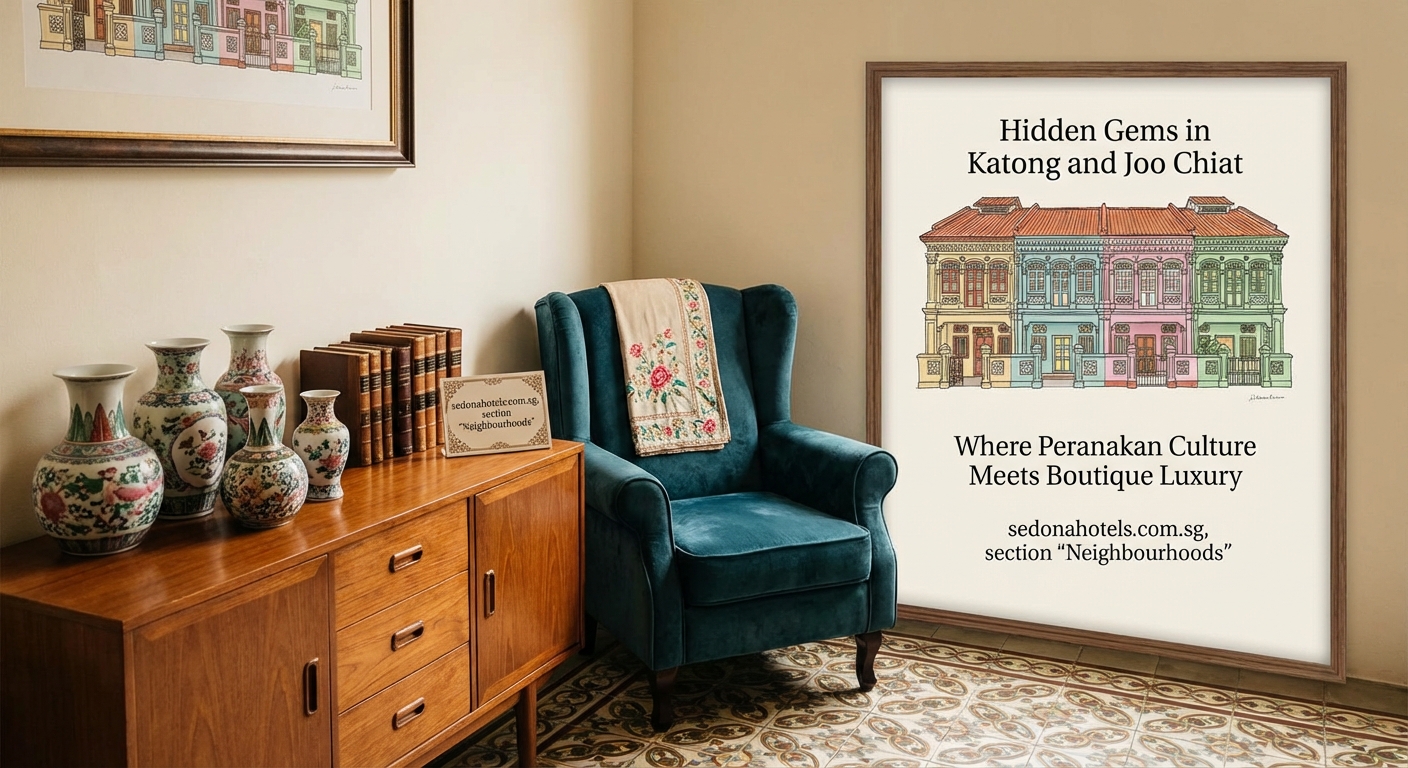
Hidden Gems in Katong and Joo Chiat: Where Peranakan Culture Meets Boutique Luxury
Katong and Joo Chiat form one of Singapore’s most photogenic neighbourhoods, where pastel-hued shophouses line streets filled with the aroma of laksa and kueh. This isn’t a sanitised heritage precinct. It’s a living, breathing community where grandmothers still chat in Baba Malay outside provision shops, and fourth-generation hawkers serve breakfast to office workers and tourists alike.
Katong Joo Chiat offers authentic [Peranakan culture](https://en.wikipedia.org/wiki/Peranakan) through colourful shophouses, heritage homes, street art, and legendary hawker food. Plan half a day minimum to wander Koon Seng Road, taste original Katong laksa, visit private museums like The Intan, and shop indie boutiques. Wear comfortable shoes and bring an appetite. The neighbourhood sits 20 minutes from central Singapore via MRT and bus.
Start with the shophouses on Koon Seng Road
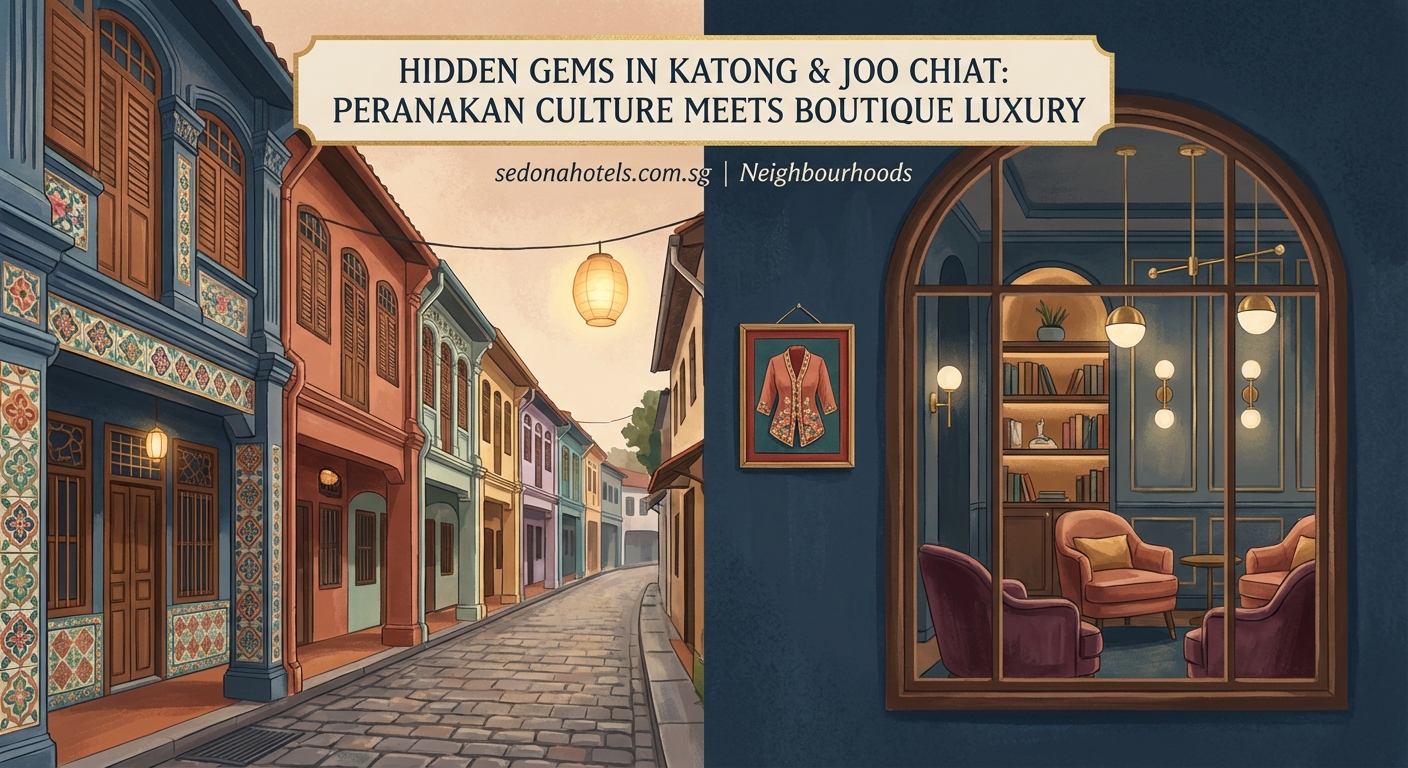
Koon Seng Road houses Singapore’s most photographed terrace of Peranakan shophouses. These two-storey buildings date from the 1920s and 1930s, painted in mint green, coral pink, butter yellow, and powder blue.
The ornate facades feature ceramic tiles imported from England, carved wooden swing doors called pintu pagar, and intricate plasterwork with floral and phoenix motifs. Each house differs slightly in its decorative details, making every doorway worth a closer look.
Visit early morning or late afternoon for the best light. The street remains residential, so keep noise levels down and respect the people who live here. No need to knock on doors or peer into windows. The exteriors tell the story beautifully.
From Koon Seng Road, walk south along Joo Chiat Road to see more shophouses in varying states of restoration. Some house cafes and boutiques, others remain family homes or traditional trades like rattan furniture makers and tailors.
Hunt for murals and street art
Katong’s street art scene rewards wanderers who look up and around corners. The most famous piece sits on the side wall of a shophouse near East Coast Road, depicting a Peranakan grandmother in traditional kebaya holding a tiffin carrier.
Other murals celebrate the neighbourhood’s multicultural heritage. Look for the Eurasian family scene on Crane Road, the laksa vendor on Joo Chiat Place, and the nostalgic kampung imagery near Tembeling Road.
Street art changes over time. Some pieces fade, new ones appear. Part of the fun lies in discovering works that aren’t on Instagram yet. Bring a phone or camera, but also just enjoy the art as you walk.
Local businesses commission many of these murals, so they’re concentrated around shophouse clusters rather than spread randomly. The densest collection sits between East Coast Road and Joo Chiat Road, roughly from Koon Seng Road to Joo Chiat Terrace.
Taste the original Katong laksa
Katong laksa differs from other laksa styles. The noodles come pre-cut so you eat with a spoon only, no chopsticks needed. The gravy balances coconut milk richness with prawn and dried shrimp depth, finished with a spicy sambal kick.
Three hawker stalls claim to serve the original recipe, and locals debate the merits of each with religious fervour. 328 Katong Laksa on East Coast Road draws the longest queues. Marine Parade Laksa and Janggut Laksa have equally devoted fans.
Try more than one if you have time and stomach capacity. The differences seem subtle at first but become clearer as you compare. Some versions lean sweeter, others spicier. Some pile on more cockles, others favour prawns.
Order the regular size first. You can always get more. Most stalls open from late morning through afternoon, closing by early evening. Weekend queues stretch longer, but they move fast.
After laksa, continue your food trail with traditional kueh from Kim Choo Kueh Chang or Baba Chews. These Peranakan snacks include ondeh ondeh (pandan balls filled with palm sugar), kueh lapis (layered cake), and pulut inti (glutinous rice with coconut).
Visit a private Peranakan museum
The Intan offers something most museums can’t: a peek into a real Peranakan home filled with a family’s personal collection. Alvin Yapp opens his terrace house by appointment, sharing stories about the antique furniture, porcelain, beadwork, and daily objects that fill every room.
This isn’t a hands-off museum experience. Alvin encourages questions and handles pieces to demonstrate their use. You’ll learn how Peranakan families served elaborate tok panjang feasts, why certain colours and symbols mattered, and how traditions evolved across generations.
Book at least a week ahead, especially during school holidays and peak tourist seasons. Tours run about 90 minutes and accommodate small groups. The intimate setting means you can ask specific questions and get detailed answers.
Katong Antique House provides another private museum option, showcasing owner Peter Wee’s extensive Peranakan collection. The space operates more like a traditional museum with set visiting hours, though Peter often shares stories personally when he’s available.
Both venues charge modest admission fees that support their preservation work. Photography is allowed, but respect the fact that these are private homes opened generously to visitors.
Map out your walking route
Katong and Joo Chiat sprawl across several blocks, so a bit of planning prevents backtracking. Here’s a logical route that covers major highlights:
- Start at Paya Lebar MRT, take bus 40 or 135 to Joo Chiat Road
- Walk Koon Seng Road for shophouse photos
- Head to East Coast Road for laksa and kueh
- Browse boutiques and cafes along Joo Chiat Road
- Visit The Intan or Katong Antique House (pre-booked)
- Check out the Eurasian Heritage Gallery on Ceylon Road
- End at Katong Shopping Centre or i12 Katong for air-conditioned rest
This route covers roughly 3 to 4 kilometres of walking, manageable in half a day with food and museum stops. Wear comfortable shoes. The neighbourhood has proper pavements, but you’ll be on your feet for hours.
Alternatively, rent a bicycle from one of the bike-sharing apps. The area stays relatively flat, and cycling lets you cover more ground while still enjoying the streetscape. Just watch for pedestrians and park bikes properly at designated spots.
Shop indie boutiques and vintage stores
Joo Chiat Road and East Coast Road house dozens of small shops selling everything from vintage Peranakan tiles to handmade jewellery. These aren’t tourist traps flogging mass-produced souvenirs. Most stock carefully curated items or original designs.
Rumah Bebe specialises in Peranakan beadwork, from traditional kasut manek (beaded slippers) to contemporary accessories. Owner Raymond Wong teaches beading workshops if you want hands-on experience.
Supermama sells modern homewares inspired by Singaporean heritage, including porcelain plates featuring HDB blocks and local flora. The designs make distinctive gifts that pack easily.
Browse vintage furniture shops for Peranakan tiles, antique crockery, and retro signage. Even if you’re not buying, these stores function as informal museums where owners often share the history behind their pieces.
Many shops close Mondays or keep irregular hours, so check before making special trips. Weekends see the most action, with some stores opening pop-up stalls or special displays.
Understand Peranakan culture beyond the aesthetics
Peranakan culture emerged from centuries of intermarriage between Chinese immigrants and local Malay communities. The resulting traditions blended Chinese ancestry with Malay language, dress, and customs, creating something entirely unique.
The term Peranakan literally means “locally born” in Malay. Baba refers to Peranakan men, Nyonya to women. The culture flourished in the Straits Settlements of Malacca, Penang, and Singapore from the 15th century onwards.
Katong became a Peranakan stronghold in the early 20th century when wealthy families built seaside villas and shophouses here. The neighbourhood sat close enough to town for business but far enough for fresh air and space.
Today’s Katong Joo Chiat preserves this heritage through architecture, food, language, and family businesses. You’ll hear older residents speaking a Malay dialect mixed with Hokkien. Traditional trades like beading, carpentry, and gold-smithing continue in family workshops.
The Eurasian Heritage Gallery on Ceylon Road adds another cultural layer, documenting the Eurasian community’s parallel history in the area. Eurasians descended from European and Asian unions, developing their own distinct food, music, and traditions.
Compare Katong with other heritage neighbourhoods
| Neighbourhood | Heritage Focus | Best For | Atmosphere |
|---|---|---|---|
| Katong Joo Chiat | Peranakan, Eurasian | Food, shophouses, lived-in feel | Residential, authentic |
| Chinatown | Chinese immigrant history | Temples, markets, nightlife | Tourist-focused, bustling |
| Little India | Indian culture | Textiles, spices, festivals | Sensory, vibrant |
| Kampong Glam | Malay-Arab heritage | Mosques, cafes, street art | Hipster, gentrified |
Katong maintains a more local character than other heritage areas. Residents still live in the shophouses, kids attend neighbourhood schools, and provision shops serve daily needs alongside trendy cafes.
This authenticity means fewer crowds but also fewer tourist facilities. You won’t find visitor centres or guided tour groups on every corner. That’s precisely the appeal for travellers seeking genuine cultural experiences beyond the usual circuits.
If you’re staying in central Singapore, consider reading about how to navigate Singapore’s MRT like a local to reach Katong efficiently. The neighbourhood sits on the East West Line with bus connections from Paya Lebar or Eunos MRT stations.
Plan your visit around weather and timing
Singapore’s tropical climate means you can visit Katong year-round, but timing affects your experience. Mornings from 8am to 11am offer the coolest temperatures for walking and the best light for photography.
Afternoons get hot and humid. Duck into air-conditioned cafes, museums, or shops during peak heat from 1pm to 4pm. Late afternoons from 4pm to 6pm bring relief as temperatures drop and golden hour light bathes the shophouses.
Weekday mornings feel quieter and more local. You’ll see residents going about daily routines, kids heading to school, and hawkers preparing for lunch service. Weekend mornings attract more visitors but also more energy, with shops fully open and special pop-ups.
Avoid major public holidays unless you enjoy crowds. Chinese New Year brings festive decorations but also closures. The neighbourhood celebrates Peranakan festivals with special events worth timing your visit around if you’re interested.
“Katong isn’t a place you tick off a list. It’s a neighbourhood you experience slowly, preferably with an empty stomach and a full afternoon. Let yourself get lost down side streets, chat with shopkeepers, and sit long over laksa. That’s when the neighbourhood reveals itself.” – Local heritage guide
Rain can strike any time in Singapore’s climate. Pack a compact umbrella or plan indoor alternatives like museums and covered shopping centres. For more weather preparation tips, check out Singapore weather and what to pack for year-round tropical comfort.
Find accommodation nearby
Staying in Katong puts you steps from the neighbourhood’s charms while keeping you close to East Coast Park’s beaches and cycling paths. Several boutique hotels and serviced apartments cater to travellers who prefer local flavour over central business district towers.
Hotel Indigo Singapore Katong occupies restored shophouses, incorporating Peranakan design elements throughout. The rooftop pool overlooks heritage buildings, and the location sits right on Joo Chiat Road’s main stretch.
Serviced apartments around Tanjong Katong Road offer more space for families or longer stays. Many include kitchens, useful if you want to cook with ingredients from local markets.
Budget travellers find hostels and guesthouses scattered through the area, particularly along Joo Chiat Road. These often occupy upper floors of shophouses, giving you authentic neighbourhood living at backpacker prices.
For more options across Singapore, browse boutique hotels that locals actually recommend or compare choosing between Marina Bay and Orchard Road hotels based on your priorities.
Avoid common mistakes
Don’t rush through Katong in an hour between other attractions. The neighbourhood rewards slow exploration and serendipitous discoveries. Block out at least half a day, preferably more.
Skip the tour buses and experience the area on foot. You’ll miss the best details if you’re viewing shophouses through a bus window. The neighbourhood’s compact enough to walk comfortably.
Don’t limit yourself to East Coast Road. The parallel streets like Joo Chiat Place, Everitt Road, and Ceylon Road hold equally interesting architecture and businesses. Wandering the grid reveals more than sticking to one main road.
Respect that people live and work here. Keep voices down on residential streets, don’t block doorways for photos, and ask permission before photographing shopfronts with people visible. This courtesy preserves the welcoming atmosphere that makes Katong special.
Don’t assume everything closes early. While some traditional businesses keep morning hours, cafes and restaurants stay open into evening. The neighbourhood takes on different character after dark, with locals gathering for dinner and drinks.
Extend your cultural exploration
Katong pairs well with other heritage neighbourhoods for travellers interested in Singapore’s multicultural story. Hidden cultural gems that most tourists never find includes lesser-known sites across the island.
Tiong Bahru offers art deco architecture and a hipster cafe scene in another residential setting. Read about why Tiong Bahru charms visitors for comparison.
For food lovers, Katong’s hawker heritage connects to Singapore’s broader hawker culture. Learn more through the guide to hawker centres where locals actually eat.
First-time visitors benefit from understanding how Katong fits into Singapore’s geography and transport network. The first-timer’s guide to navigating Singapore like a local provides that context.
Make the most of morning hours
Early risers get the best of Katong. The neighbourhood wakes early, with hawkers firing up stoves by 7am and residents heading out for breakfast and marketing.
Start at a traditional kopitiam (coffee shop) for kaya toast, soft-boiled eggs, and strong local coffee. Watch uncles read newspapers and aunties catch up on neighbourhood gossip. This daily ritual hasn’t changed in decades.
Morning light hits the shophouses beautifully, casting long shadows and bringing out the pastel colours. Streets stay quiet enough to hear birds and the distant sound of someone practicing piano upstairs.
Markets like Joo Chiat Complex come alive in the morning with fresh produce, flowers, and prepared foods. Even if you’re not cooking, browsing the stalls reveals what locals eat daily, from exotic fruits to traditional kueh.
By mid-morning, you’ll have experienced authentic neighbourhood life before the heat intensifies and before most tourists arrive. You’ll understand why residents love living here and why preservation efforts matter so much.
Where Peranakan heritage lives on
Katong and Joo Chiat prove that heritage preservation works best when neighbourhoods remain living communities rather than frozen museum pieces. The shophouses here aren’t just pretty backdrops for photos. They’re homes, businesses, and gathering places where culture continues evolving.
Your visit supports this preservation directly. Every bowl of laksa purchased, every beaded slipper bought, every museum admission paid helps keep traditional trades and family businesses viable. Tourism done thoughtfully strengthens rather than threatens authentic culture.
Take your time here. Chat with shopkeepers about their family histories. Ask hawkers about their recipes. Notice the details in shophouse tiles and woodwork. These small interactions and observations transform a neighbourhood walk into genuine cultural exchange, exactly what makes travel meaningful.