7 Essential Things Every First-Time Visitor Should Know Before Landing in Singapore
You have booked your flight to Singapore. The confirmation email sits in your inbox. You feel excited, maybe a little nervous. That is normal. Singapore is a modern city-state, but it has its own rhythm, rules, and quirks. If you arrive without knowing a few basics, you might find yourself caught out by the weather, confused by the transport card system, or even breaking a law you did not know existed. Let us fix that before you leave home.
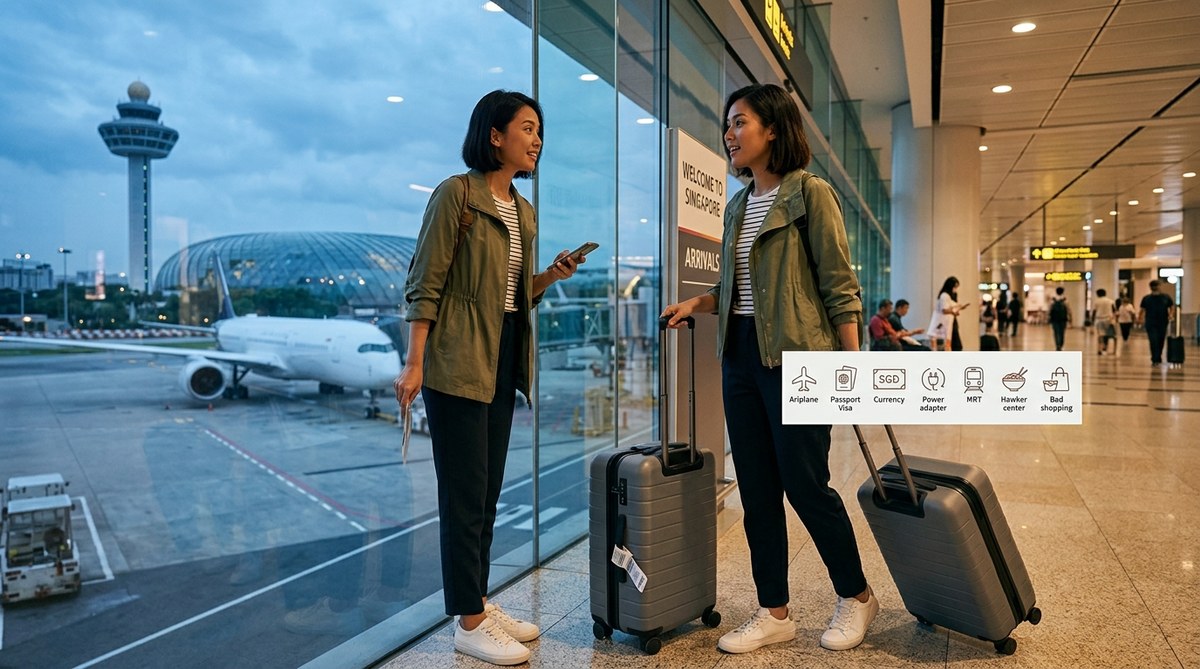
Before you land in Singapore, understand that it is a tropical country with strict laws, an efficient public transport system, and a diverse food culture centred on hawker centres. Pack light fabrics and a rain jacket. Do not bring chewing gum or durian into hotels. Get a local SIM card at Changi Airport. Book accommodation near an MRT station to save time and money. Knowing these basics turns a good trip into a great one.
The Weather Is Hot and Wet, So Plan Your Wardrobe
Singapore sits just one degree north of the equator. That means the temperature stays fairly constant all year round. Expect daytime highs of around 31 to 33 degrees Celsius. The humidity often sits above 80 per cent. You will feel sticky within minutes of stepping outside.
Rain can appear without warning. A clear blue sky can turn into a downpour in ten minutes. These showers are usually intense but short. They often clear up within an hour.
What to pack for the climate:
- Lightweight, breathable fabrics like cotton or linen.
- A compact travel umbrella or a lightweight rain jacket.
- Comfortable walking sandals or breathable sneakers.
- A light cardigan or shawl for air-conditioned malls, hotels, and the MRT. The indoor cooling can be aggressive.
- Sunscreen and a hat. The UV index is high even on cloudy days.
Do not bother with heavy jeans or thick jackets. You will regret them. For a full breakdown of what to bring, read our guide on Singapore weather and what to pack for every season.
The Laws Are Strict and Enforced
Singapore is known for being a “fine city”. That is not just a compliment. The country has strict laws with heavy fines attached. Ignorance is not an excuse.
Things you must never do in Singapore:
- Do not chew gum in public. The sale of chewing gum is banned, though bringing a small amount for personal use is usually tolerated. Do not spit it out on the street.
- Do not litter. Dropping a cigarette butt, a tissue, or a plastic wrapper can cost you a fine of up to SGD 2,000 for a first offence.
- Do not eat or drink on public transport. No water, no coffee, no snacks. Fines apply.
- Do not smoke in prohibited areas. Smoking is banned in most indoor spaces, many outdoor areas, and within five metres of bus stops.
- Do not bring durian onto public transport or into most hotels. The fruit has a strong smell that many people find offensive. Your hotel will likely have a sign banning it.
These rules might sound strict, but they keep the city clean and pleasant for everyone. Follow them and you will have no trouble at all.
Getting Around Is Easy If You Use the MRT
The Mass Rapid Transit (MRT) system is clean, safe, and covers almost every corner of the island. Trains run from around 5.30 am to midnight. Frequencies are high, especially during peak hours.
You have two main options for paying:
- Buy a Singapore Tourist Pass. This gives you unlimited rides on MRT trains and basic buses for one, two, or three days. It is good value if you plan to travel a lot.
- Use a contactless bank card or your phone. Most Visa and Mastercard cards work at the fare gates. So does Apple Pay and Google Pay. Just tap in and tap out. The system calculates the fare automatically.
A few transport tips:
- Always stand on the left side of escalators. The right side is for people who want to walk up.
- Do not block the train doors when people are alighting.
- Download the Grab app for taxis and private cars. Uber does not operate in Singapore. Grab is the dominant ride-hailing service.
- Taxis are metered and generally affordable. Flag them down at taxi stands, not on the street.
For a deeper look at the system, check out our Singapore public transport masterclass.
Changi Airport Is a Destination in Itself
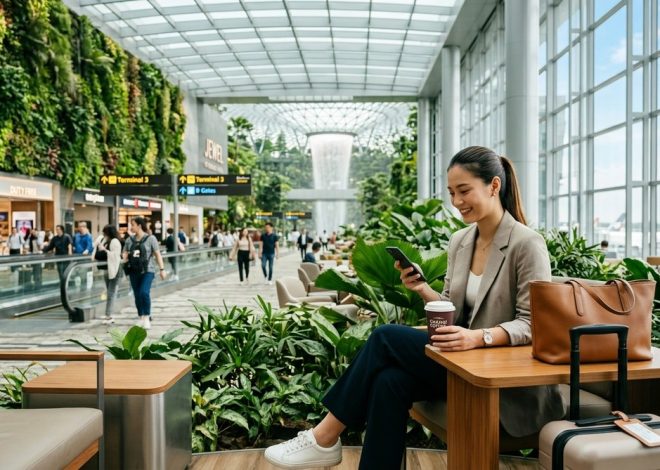
Changi Airport has won “World’s Best Airport” many times for good reason. You could easily spend a few hours here even before leaving the terminal.
What to do at Changi before heading to your hotel:
- Visit the Jewel complex. It connects to Terminal 1 and is a short walk from Terminals 2 and 3. The Rain Vortex indoor waterfall is stunning.
- Collect your free Singapore Tourist Pass if you booked one online.
- Buy a local SIM card from the shops near the arrival halls. Singtel, StarHub, and M1 all offer tourist SIMs with data packages.
- Use the free luggage trolleys. They are available throughout the arrival areas.
- If you have a long layover, check out the rooftop swimming pool, movie theatre, or butterfly garden inside the transit area.
If you have an early morning flight out, consider staying at one of the hotels near Changi Airport. They are convenient and often more affordable than city centre options.
Food Is the Heart of Singapore Culture
You cannot visit Singapore without eating at a hawker centre. These are large open-air food courts with dozens of stalls selling affordable, delicious dishes. A meal at a hawker centre costs between SGD 4 and SGD 8. It is some of the best value food in the world.
Must-try dishes for first-time visitors:
- Hainanese chicken rice. Poached chicken served with fragrant rice and chilli sauce.
- Chilli crab. A whole crab in a sweet and savoury tomato chilli sauce.
- Laksa. A spicy coconut noodle soup.
- Char kway teow. Stir fried flat rice noodles with egg, prawns, and Chinese sausage.
- Roti prata. A crispy fried flatbread served with curry.
Hawker centre etiquette:
- When you find a table, place a packet of tissues on it. This is the local way of “choping” or reserving your seat.
- Do not leave your tray on the table after eating. Singapore requires diners to return their trays and crockery to the designated collection points.
- Carry cash. Some older stalls do not accept cards or QR payments.
For a complete guide, read our ultimate guide to hawker centres in Singapore.
Tipping Is Not Expected, But Service Charge Is Included
This surprises many Western travellers. In Singapore, tipping is not customary. In fact, it can sometimes be refused.
Most restaurants and hotels include a 10 per cent service charge on your bill. There is also a 9 per cent Goods and Services Tax (GST). So the price you see on the menu is not the final price you pay. Expect about 19 per cent extra on top of the listed price.
When you do not need to tip:
- Taxi drivers. Rounding up to the nearest dollar is fine but not required.
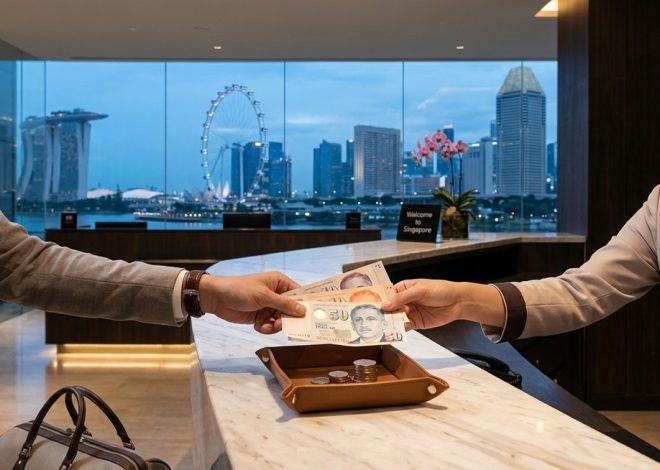
- Hotel porters. If you want to tip, a SGD 2 note is acceptable, but it is not expected.
- Hawker centre staff. No tipping at all.
If you receive exceptional service at a fine dining restaurant, leaving a small cash tip is a kind gesture. But do not feel obligated.
Learn more in our guide on tipping in Singapore.
Where You Stay Matters More Than You Think
Singapore is small. But it is not that small. Choosing the right neighbourhood can save you an hour of travel each day.
The main hotel districts at a glance:
| Area | Best For | Vibe |
|---|---|---|
| Marina Bay | First-timers, luxury travellers, business visitors | Iconic skyline views, high end malls, attractions |
| Orchard Road | Shoppers, couples, tourists who want convenience | Non stop retail, restaurants, central location |
| Chinatown | Budget travellers, culture lovers, foodies | Heritage shophouses, hawker food, walking tours |
| Little India | Experience seekers, photographers | Colourful streets, temples, spice markets |
| Sentosa Island | Families, beach lovers, resort style stays | Beaches, Universal Studios, water parks |
| Bugis / Kampong Glam | Young travellers, boutique hotel fans | Hip cafes, Arab Street, street art |
Key factors when booking:
- Proximity to an MRT station. This is non negotiable. A hotel that is a 15 minute walk from the nearest station will feel much less convenient.
- Check if the hotel has a pool. Many Singapore hotels have rooftop pools that offer stunning city views.
- Read reviews about noise levels. Some hotels on Orchard Road can be noisy at night.
For a curated list of the best places to stay, see our 11 best boutique hotels in Singapore that locals actually recommend.
The Language Barrier Is Almost Non Existent
English is one of Singapore’s four official languages. You will hear it everywhere. Road signs, menus, MRT announcements, and government forms are all in English.
That said, you will also hear Singlish. This is the local colloquial English mixed with words from Hokkien, Malay, Tamil, and Cantonese. You do not need to learn it, but recognising a few terms helps.
Common Singlish words you might hear:
- “Can” means yes or it is possible.
- “Cannot” means no or it is not possible.
- “Lah” is a particle added to the end of sentences for emphasis. “Can lah” means “Yes, definitely.”
- “Aiyoh” is an expression of frustration or surprise.
- “Shiok” means something is very enjoyable, especially food.
Singlish is informal. Do not use it in formal settings. But if a local says “Wah, this chicken rice very shiok,” you will know what they mean.
Stay Connected With a Local SIM Card
Free public Wi Fi is available at many malls, libraries, and public spaces. But it can be slow and unreliable. For a smooth trip, get a local SIM card.
Options for staying connected:
- Buy a tourist SIM card at Changi Airport. Prices start from SGD 12 for a 7 day plan with 50GB of data.
- Rent a pocket Wi Fi device. This is useful if you are travelling with a group.
- Use an eSIM if your phone supports it. Providers like Airalo offer Singapore eSIMs that you can activate before you leave home.
For a detailed comparison, check our complete guide to choosing the best SIM card for your Singapore trip.
Your Hotel Booking Checklist
Before you confirm your reservation, run through this checklist. It will save you from common mistakes.
- [ ] Does the hotel have a 24 hour front desk? Some boutique hotels have limited reception hours.
- [ ] Is breakfast included? Many hotels offer it, but some charge extra.
- [ ] Is there a safe in the room? Most hotels provide one.
- [ ] Are there power adaptors available? Singapore uses the UK style three pin plug (Type G). Your hotel may lend you an adaptor.
- [ ] What is the cancellation policy? Read it carefully. Some non refundable rates are tempting but risky.
“The best investment you can make before your trip is booking a hotel within a five minute walk of an MRT station. It will save you at least two hours of travel time over a four day stay.” Local travel consultant, quoted from a 2025 industry report.
One Last Thing About Water and Toilets
Tap water in Singapore is safe to drink. It meets World Health Organisation standards. You can fill your water bottle at any public sink. This saves money and reduces plastic waste.
Public toilets are generally clean. Most shopping malls and MRT stations have well maintained facilities. Carry your own tissue paper or wet wipes, though. Some public toilets run out of toilet paper, especially in hawker centres and older public areas.
Your Singapore Trip Starts Before You Board the Plane
The best trips are the ones where you feel prepared. You now know the weather, the laws, the transport system, and the food culture. You know where to stay and how to stay connected. The only thing left is to book your accommodation with confidence.
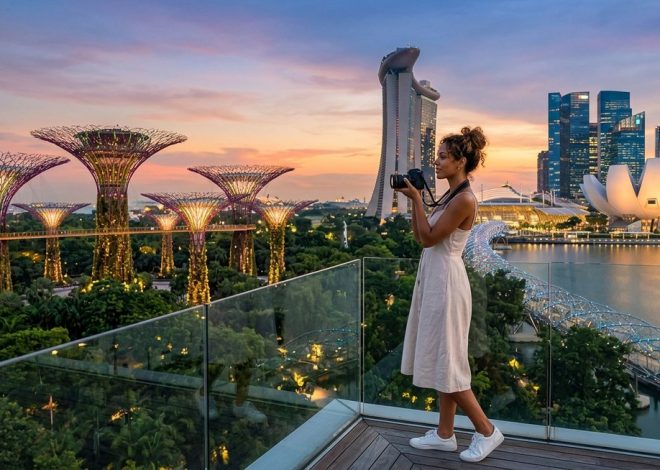
Browse our curated selection of hotels in Singapore. Whether you want a Marina Bay room with a view of the skyline or a quiet boutique stay in Tiong Bahru, we have options that suit every style and budget. Your adventure in Singapore starts the moment you land at Changi. Make sure your hotel is ready for you.