How Much Does a Singapore Holiday Actually Cost in 2026?
Singapore has a reputation for being expensive, and honestly, it can be. But it doesn’t have to drain your savings if you know where to spend and where to save. Whether you’re eyeing a budget backpacker adventure or a luxurious getaway, understanding the actual costs helps you plan a trip that fits your wallet without missing out on the experiences that make this city-state special.
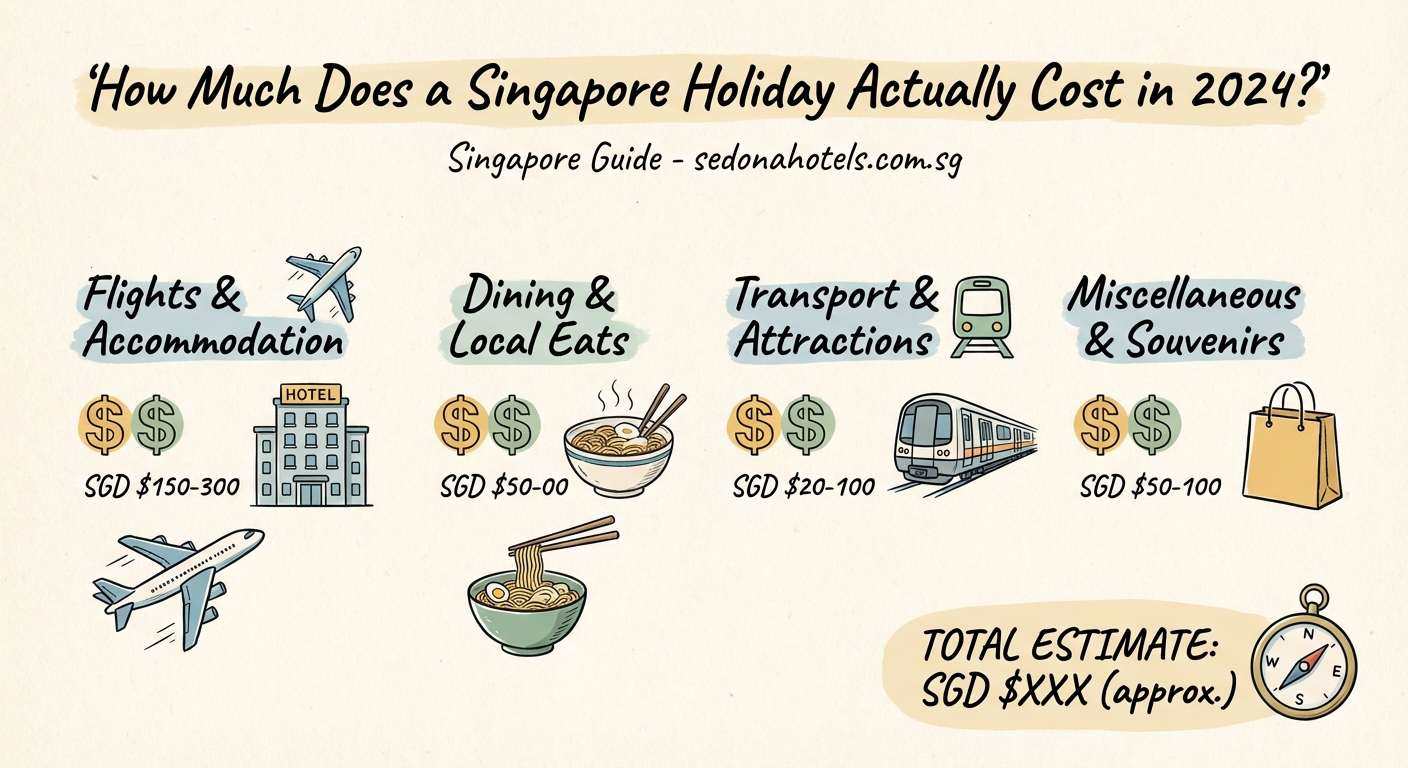
A week in Singapore typically costs between SGD 1,200 to SGD 3,500 per person, depending on your accommodation choices, dining preferences, and activity selections. Budget travellers can manage on SGD 80 to 100 daily, mid-range visitors spend SGD 150 to 250, whilst luxury seekers easily exceed SGD 400 per day. Flights, season timing, and advance booking dramatically impact your total spend.
Breaking down your Singapore trip budget
Let’s get specific about what you’ll actually spend. These numbers reflect 2025 prices and real traveller experiences, not theoretical minimums that leave you hungry and exhausted.
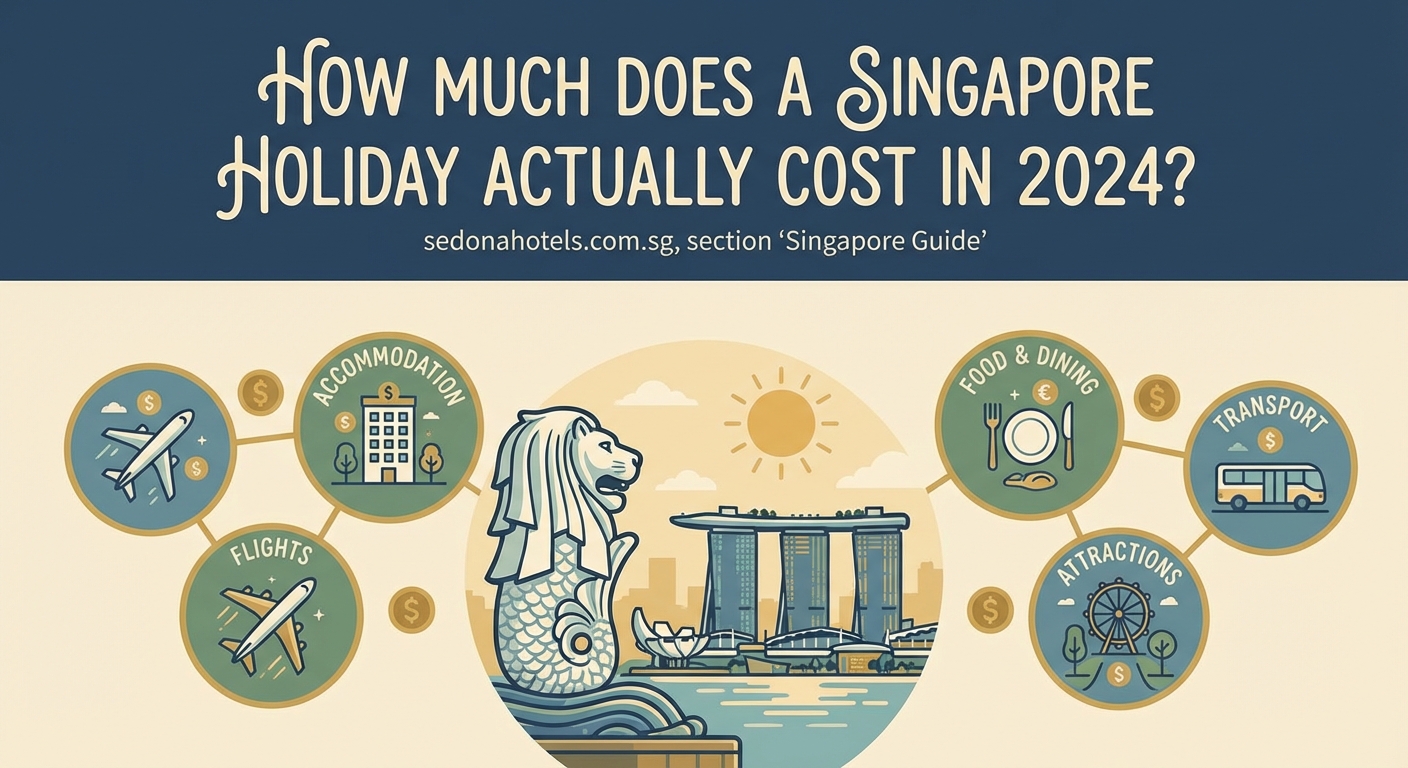
Your total trip cost depends on five main categories: flights, accommodation, food, transport, and activities. Each category offers multiple price tiers, and mixing budget choices with occasional splurges often creates the best experience.
What flights to Singapore actually cost
Airfare is usually your biggest single expense, and prices swing wildly based on where you’re flying from and when you book.
From Southeast Asian cities like Bangkok, Kuala Lumpur, or Jakarta, budget carriers offer return flights for SGD 150 to 300. Book three months ahead for the best deals.
Australian travellers from Sydney or Melbourne typically pay SGD 400 to 800 return, whilst Perth enjoys cheaper options around SGD 300 to 500.
European and North American flights cost significantly more. Expect SGD 800 to 1,500 from London, and SGD 900 to 1,800 from major US cities. Prices spike during December holidays and Chinese New Year.
Money-saving flight strategies:
- Book Tuesday through Thursday departures instead of weekend flights
- Use fare comparison tools and set price alerts three to four months before travel
- Consider flying into nearby Johor Bahru and taking the bus across the border
- Choose red-eye flights, which often cost 20 to 30 percent less than daytime options
Accommodation costs across all budgets
Where you sleep dramatically affects your daily spend. Singapore offers everything from SGD 25 hostel beds to SGD 1,000-plus luxury suites.
Budget accommodation (SGD 25 to 80 per night):
Hostels in areas like Little India, Chinatown, and Bugis offer clean dorms with air conditioning for SGD 25 to 40. Private rooms in the same hostels run SGD 60 to 80.
Capsule hotels provide a middle ground at SGD 45 to 70, giving you privacy without the space or amenities of a full room.
Mid-range hotels (SGD 100 to 200 per night):
Three-star hotels in central locations like Orchard Road, Clarke Quay, or near how to navigate Singapore’s MRT like a local stations typically cost SGD 120 to 180 nightly. You’ll get comfortable rooms, decent breakfast, and helpful concierge services.
Boutique hotels offer character and local flavour in this price range. Boutique hotels that locals recommend often provide better value than generic chains.
Luxury options (SGD 250 and up):
Five-star properties like Marina Bay Sands, Raffles, and Capella start around SGD 400 and climb past SGD 1,000 during peak season. These include premium amenities, exceptional service, and Instagram-worthy locations.
Neighbourhoods like Tiong Bahru offer charming stays that balance boutique appeal with reasonable pricing.
Food and drink expenses
Food costs vary more than any other category because Singapore caters to every budget and palate.
Hawker centre meals (SGD 3 to 8):
Hawker centres where locals eat serve incredible food at prices that shock first-time visitors. A filling plate of chicken rice, laksa, or char kway teow costs SGD 4 to 6. Add a fresh juice or sugar cane drink for SGD 1.50 to 2.
Eating three hawker meals daily keeps food costs under SGD 20. Many travellers do breakfast and lunch at hawkers, then splurge on dinner.
Casual restaurants (SGD 15 to 35 per meal):
Mid-range restaurants, food courts in malls, and casual chains charge SGD 15 to 25 for mains. A meal with drinks typically totals SGD 20 to 35 per person.
Fine dining (SGD 80 and up):
Upscale restaurants start around SGD 50 per person without drinks and easily reach SGD 150 to 300 at Michelin-starred establishments. Rooftop bars and sky-high experiences charge premium prices, with cocktails costing SGD 18 to 28.
Alcohol costs:
Beer at hawker centres costs SGD 5 to 8. Bars charge SGD 12 to 18. Wine and cocktails at nice venues run SGD 18 to 35 per drink. Alcohol taxes make drinking expensive, so budget accordingly.
Daily food budget estimates:
- Budget traveller: SGD 20 to 30 (mostly hawker centres, occasional restaurant)
- Mid-range traveller: SGD 50 to 80 (mix of hawkers and restaurants, some drinks)
- Luxury traveller: SGD 150+ (fine dining, hotel breakfasts, cocktails)
Getting around Singapore
Public transport in Singapore is efficient, clean, and affordable. Taxis and ride-shares cost more but remain reasonable compared to other major cities.
MRT and buses (SGD 1 to 2.50 per trip):
The Mass Rapid Transit system covers the entire island. Single trips cost SGD 1 to 2.50 depending on distance. Get an EZ-Link card or use contactless payment for slight discounts.
A Singapore Tourist Pass offers unlimited travel for SGD 10 (one day), SGD 16 (two days), or SGD 20 (three days). It’s worth it if you’re making four or more trips daily.
Taxis and Grab (SGD 8 to 25 typical rides):
Taxis charge SGD 3.90 flag-down plus distance and time-based fares. Airport to city centre costs SGD 20 to 30. Late-night surcharges add 50 percent between midnight and 6am.
Grab (Southeast Asia’s Uber) often costs slightly less than taxis and shows upfront pricing.
Daily transport budget:
- Budget: SGD 8 to 15 (public transport only)
- Mid-range: SGD 15 to 30 (public transport plus occasional Grab)
- Luxury: SGD 40+ (taxis and private cars)
Activities and attraction costs
Singapore offers free experiences alongside paid attractions. Balancing both keeps costs manageable.
Paid attractions:
| Attraction | Cost (SGD) | Worth it? |
|---|---|---|
| Universal Studios | 81 to 88 | Yes for theme park fans |
| Gardens by the Bay (domes) | 35 to 53 | Yes, especially Cloud Forest |
| Singapore Zoo | 42 to 48 | Yes, world-class exhibits |
| Night Safari | 55 to 59 | Yes, unique experience |
| ArtScience Museum | 19 to 25 | Depends on exhibition |
| Sentosa Island attractions | 15 to 40 each | Pick one or two |
| River Wonders | 38 to 42 | Good for families |
Free activities:
- Gardens by the Bay outdoor gardens and light show
- Marina Bay Sands light and water show (8pm and 9pm nightly)
- Botanic Gardens and National Orchid Garden (SGD 5)
- Chinatown, Little India, and Kampong Glam neighbourhood walks
- MacRitchie Reservoir TreeTop Walk
- East Coast Park cycling and beach time
- Haw Par Villa’s quirky statues and mythology displays
“Most visitors overspend on attractions they rush through. Pick two or three paid experiences you genuinely care about, then fill the rest of your time with free activities and neighbourhood exploration. You’ll have a better trip and save hundreds of dollars.” (Local tour guide, 8 years experience)
Sample daily budgets for different travel styles
Here’s what realistic daily spending looks like:
Budget backpacker (SGD 80 to 100 per day):
- Hostel dorm: SGD 30
- Three hawker meals: SGD 20
- Public transport: SGD 10
- One paid attraction every few days: SGD 15
- Miscellaneous: SGD 10
Mid-range traveller (SGD 150 to 250 per day):
- Three-star hotel: SGD 120
- Mix of hawker and restaurant meals: SGD 60
- Transport including occasional Grab: SGD 20
- Attractions and activities: SGD 30
- Shopping and extras: SGD 20
Luxury traveller (SGD 400+ per day):
- Five-star hotel: SGD 350
- Restaurant meals and cocktails: SGD 150
- Taxis and private transport: SGD 40
- Premium attractions and experiences: SGD 50
- Shopping at Orchard Road luxury stores: SGD 100+
Total trip cost for different durations
Let’s calculate complete trip budgets including flights from common departure points.
Three-day weekend trip:
- Budget: SGD 600 to 900 (SGD 400 flights + SGD 200 to 500 in-country)
- Mid-range: SGD 1,200 to 1,800 (SGD 600 flights + SGD 600 to 1,200 in-country)
- Luxury: SGD 2,500+ (SGD 1,000 flights + SGD 1,500+ in-country)
One-week holiday:
- Budget: SGD 1,200 to 1,600 (SGD 500 flights + SGD 700 to 1,100 in-country)
- Mid-range: SGD 2,200 to 3,200 (SGD 700 flights + SGD 1,500 to 2,500 in-country)
- Luxury: SGD 5,000+ (SGD 1,200 flights + SGD 3,800+ in-country)
Two-week extended stay:
- Budget: SGD 2,000 to 2,800 (SGD 600 flights + SGD 1,400 to 2,200 in-country)
- Mid-range: SGD 4,000 to 6,000 (SGD 800 flights + SGD 3,200 to 5,200 in-country)
- Luxury: SGD 9,000+ (SGD 1,500 flights + SGD 7,500+ in-country)
Hidden costs that catch travellers off guard
Several expenses sneak up on unprepared visitors:
Service charges and GST:
Restaurants add 10 percent service charge plus 9 percent GST (Goods and Services Tax). That SGD 50 meal becomes SGD 59.50. Budget an extra 20 percent on restaurant bills.
Attraction package deals:
Individual attraction tickets seem reasonable until you add up a week’s worth. Multi-attraction passes sometimes save money, but only if you’ll actually use them. Do the maths before buying.
Visa and entry requirements:
Most nationalities get free 30 to 90-day tourist entry. Check if yours requires a visa (SGD 30 to 50). Travel insurance costs SGD 30 to 80 for a week and is highly recommended.
Phone and data:
International roaming gets expensive. Local SIM cards cost SGD 15 to 30 for tourist plans with sufficient data. Airport kiosks sell them immediately after immigration.
Tipping culture:
Singapore doesn’t require tipping since service charges are included. Leaving small change is appreciated but never expected.
Money-saving strategies that actually work
These tactics help stretch your budget without sacrificing experience quality:
Book accommodation outside peak season:
January to early March and September to November offer lower hotel rates. Avoid December holidays, Chinese New Year (January/February), and Formula 1 race weekend (September).
Eat breakfast at your hotel or hawker centres:
Hotel breakfasts cost SGD 20 to 40. Hawker breakfasts cost SGD 4 to 8 and taste better. If your hotel includes breakfast, load up and skip lunch or eat light.
Use the Singapore Tourism Board website:
Official tourism sites offer discount vouchers for attractions, dining, and shopping. Sign up before your trip.
Shop at supermarkets for snacks and drinks:
Convenience stores charge premium prices. FairPrice, Cold Storage, and Sheng Siong supermarkets sell water, snacks, and breakfast items at local prices.
Visit museums on free days:
Some museums offer free admission certain days monthly. Check individual websites.
Walk between nearby attractions:
Singapore is compact and walkable in cooler morning and evening hours. Walking from Chinatown to Marina Bay takes 30 minutes and passes interesting neighbourhoods.
When to visit for the best value
Singapore’s weather stays consistent year-round, but prices fluctuate significantly. Understanding Singapore’s weather and climate helps you pack right regardless of when you visit.
Cheapest months (January to early March, September to November):
Hotels drop rates 20 to 40 percent outside peak periods. Flights also cost less. You’ll still get occasional rain, but it rarely ruins entire days.
Most expensive periods:
- December school holidays
- Chinese New Year (late January or early February)
- Formula 1 Grand Prix weekend (September)
- Major conferences and events
Book six months ahead if travelling during these times, or expect to pay double normal rates.
Planning your Singapore budget step by step
Follow this process to create an accurate trip budget:
- Determine your travel dates and check if they fall during peak season
- Search flights and set a realistic airfare budget based on your departure city
- Decide your accommodation tier and multiply nightly rate by number of nights
- Calculate daily food budget based on your dining preferences
- Add transport costs (SGD 10 to 30 daily depending on travel style)
- List must-see attractions and add their entrance fees
- Include a 20 percent buffer for unexpected expenses and spontaneous experiences
- Add travel insurance, visa costs if applicable, and phone/data expenses
This methodical approach prevents budget surprises and helps you adjust spending categories to match your priorities.
Making the most of your Singapore dollars
Understanding how much a trip to Singapore costs empowers you to make smart choices that align with your travel style and budget. The city rewards both careful planners and spontaneous explorers.
Mix budget-friendly hawker meals with one special dinner. Stay in a mid-range hotel but splurge on a rooftop cocktail. Take the MRT everywhere except that late-night taxi home after an amazing evening. These balanced choices create memorable trips without financial stress.
First-time visitors navigating Singapore discover that smart spending beats unlimited budgets. The best experiences often cost little or nothing at all. Start planning with realistic numbers, book strategically, and you’ll enjoy everything this remarkable city offers without wondering where your money went.