How to Choose the Best SIM Card for Your Singapore Trip: Complete 2026 Guide
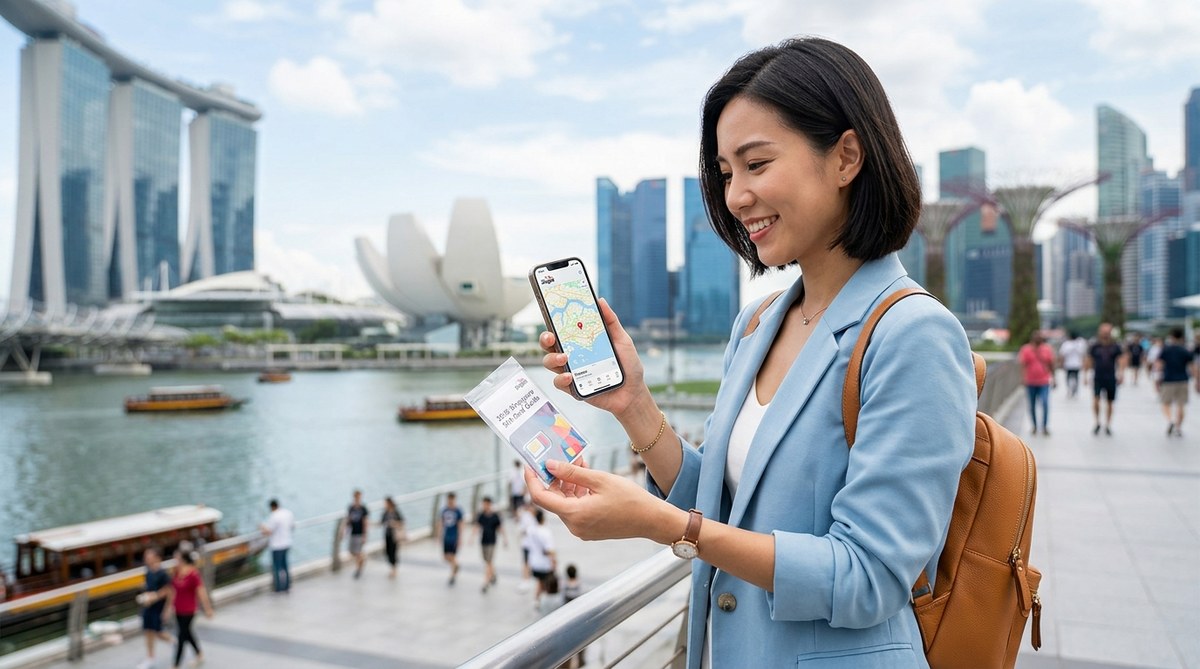
You have just landed at Changi Airport. The humidity hits you, the signs are a whirl of languages, and your phone shows zero bars. You need to message your hotel, pull up the MRT map, and let your family know you arrived safely. That first moment without data can feel surprisingly stressful. But with the right SIM card in hand before you even step out of the terminal, you can skip the panic and start your holiday on the right note. Singapore has some of the fastest internet in the world, and getting connected is easier than you think.
For most international visitors, the best SIM card for a Singapore trip in 2026 is either a prepaid physical card from Singtel, StarHub, or M1 bought at Changi Airport, or a travel eSIM installed before departure. Physical SIMs cost SGD 10 to SGD 30 and offer strong local coverage, while eSIMs provide instant activation and the ability to keep your home number active. Your choice depends on trip length, data needs, and whether you prefer convenience or lower cost.
Physical SIM vs eSIM: Which One Works Best for You
The first big decision is whether to pick up a physical SIM card at the airport or download an eSIM before you leave home. Both options work well in Singapore, but they suit different travel styles.
A physical SIM card is a small plastic chip you insert into your phone. You can buy one at Changi Airport right after you collect your luggage. The main providers are Singtel, StarHub, and M1. These cards give you a local Singapore phone number, which can be useful for booking Grab rides or ordering food delivery. The downside is that you need to keep track of a tiny card, and you may lose access to your home number while the foreign SIM is active.
An eSIM is a digital profile that you install on your phone before you travel. Providers like Airalo, Holafly, and Nomad offer Singapore-specific plans. You activate the eSIM when you land, and your phone connects to local networks automatically. The biggest advantage is that you keep your home SIM active for calls and messages while using the eSIM for data. Not all phones support eSIM, so check your device compatibility before you commit.
For a three day weekend trip, an eSIM tends to be the smoother choice. For a longer stay of a week or more, a physical prepaid card often gives you better value per gigabyte.
Top Telecom Providers in Singapore for Tourists
Singapore has three main mobile operators, plus a handful of mobile virtual network operators (MVNOs) that offer competitive prices. Here is a breakdown of the most popular options for visitors.
- Singtel is the largest provider with excellent coverage across the island, including on the MRT underground lines. Their tourist SIM, Singtel hi!Tourist, costs around SGD 15 for 7 days with 50GB of data. You can buy it at Changi Airport or at any Singtel shop.
- StarHub offers the StarHub Tourist SIM at about SGD 12 for 7 days with 50GB of data. Their coverage is strong in city areas, and they have a convenient online top up portal.
- M1 provides the M1 Tourist SIM for roughly SGD 10 for 7 days with 30GB of data. It is often the cheapest option if you are on a tighter budget.
- Changi Recommend SIM is a no frills option sold at Changi Airport via vending machines. It costs SGD 10 for 7 days with 10GB of data. Good for light users who mainly need maps and messaging.
- eSIM providers like Airalo, Holafly, and Nomad offer digital plans starting at around USD 5 for 1GB up to USD 25 for unlimited data over 15 days. They use Singtel or StarHub networks, so coverage is reliable.
Expert tip from a Singapore travel planner: If you plan to use Google Maps, Grab, and social media throughout the day, aim for at least 5GB of data for a week long stay. The unlimited plans may look tempting, but most tourists never use more than 10GB unless they stream video constantly.
How to Buy and Activate Your SIM Card Step by Step
The process differs depending on whether you choose a physical SIM or an eSIM. Here is a clear walkthrough for both methods.
For a Physical SIM Card
- After clearing customs at Changi Airport, look for the Changi Recommend SIM vending machines near the arrival hall exits. They are easy to spot with bright yellow signage.
- Select the plan that matches your trip length. Most machines accept credit cards, debit cards, and even Alipay or PayNow.
- Insert the SIM card into your phone. You may need to configure the APN settings, but the instruction sheet in the package tells you exactly what to type.
- Restart your phone and wait for the network signal to appear. You should have data within two minutes.
- If you run out of data, top up online through the provider's portal or at any 7-Eleven store.
For an eSIM
- Before your trip, buy an eSIM plan from a provider's website or app. You will receive a QR code or an activation code via email.
- On your phone, go to Settings > Cellular > Add eSIM. Scan the QR code or enter the activation code manually.
- Label the eSIM as "Data" and your home SIM as "Primary". Set the default line for cellular data to the new eSIM.
- When you land in Singapore, turn on your phone and enable the eSIM line. Do not activate it before you arrive, or the validity may start early.
- Confirm that data roaming is turned on for the eSIM line. Your phone should connect automatically to the local network.
If you run into any issues, most eSIM providers have 24/7 live chat support. The extra step of installing before you leave is worth it for the peace of mind.
Comparing Costs: What You Will Pay for Data in 2026
Prices in Singapore remain competitive, but the value you get depends on how much data you actually need. The table below compares the most popular tourist SIM options available in 2026.
| Provider | Type | Price (SGD) | Data Allowance | Validity | Best For |
|---|---|---|---|---|---|
| Singtel hi!Tourist | Physical | 15 | 50GB | 7 days | Heavy users and streamers |
| StarHub Tourist SIM | Physical | 12 | 50GB | 7 days | Balanced value and coverage |
| M1 Tourist SIM | Physical | 10 | 30GB | 7 days | Budget conscious travelers |
| Changi Recommend SIM | Physical | 10 | 10GB | 7 days | Light users on a short trip |
| Airalo eSIM | eSIM | 8 (approx.) | 3GB | 15 days | eSIM users who want moderate data |
| Holafly eSIM | eSIM | 22 (approx.) | Unlimited | 15 days | Travelers who want zero data worries |
A few things to keep in mind. The unlimited plans from eSIM providers often include a fair usage cap of around 10GB to 15GB per day at full speed. After that, speeds may slow down. The local physical SIM cards from Singtel, StarHub, and M1 do not have such caps during the validity period. If you plan to use data heavily for video calls or streaming, the local physical SIM offers a more consistent experience.
For most tourists, the StarHub Tourist SIM at SGD 12 for 50GB over 7 days delivers the best balance of price and performance. If you prefer eSIM convenience, Airalo's 3GB plan at around SGD 8 is a solid choice for a long weekend trip.
Tips to Avoid Common SIM Card Mistakes
Even with the best intentions, small errors can cause headaches. Here are the most frequent mistakes tourists make and how to sidestep them.
- Buying a SIM before comparing your phone's compatibility. Some older phones do not support the 4G and 5G bands used by Singapore's networks. Check your device specifications against Singtel, StarHub, and M1 band frequencies before you buy.
- Activating an eSIM before you fly. Most eSIM plans have a validity timer that starts the moment you activate. If you turn it on at home, you lose days before you even land. Wait until you arrive in Singapore to activate.
- Forgetting to turn on data roaming. Even local SIM cards in Singapore sometimes require data roaming to be enabled for the settings to work. This is normal and does not incur extra charges when using a local SIM.
- Running out of data on a weekend. Singapore's top up services are available 24/7 online, but some vending machines at smaller MRT stations may be empty on Sundays. Keep a digital top up option handy or buy extra data early.
- Using too much data for video streaming. Singapore's public Wi Fi is widespread and often free. Connect to Wireless@SG hotspots at malls, libraries, and tourist attractions to save your mobile data for moments when you really need it.
Staying Connected Across Singapore's Hotspots
Once your SIM card is active, you will want to know where your connection will be strongest. Singapore's network coverage is among the best in Southeast Asia. You can expect solid 4G and growing 5G coverage across the island.
The MRT underground tunnels are fully covered by all three major providers. You will not lose signal between stations. On Sentosa Island, the beaches have reliable data, though speeds may dip slightly during peak hours. Marina Bay, Orchard Road, and the Central Business District all have excellent connectivity.
One area where tourists sometimes face weaker signals is the more remote park connectors and nature reserves. If you plan to hike at Bukit Timah Nature Reserve or cycle along the Coney Island park connector, download your maps offline before you head out. The main trails have coverage, but some corners may drop to 3G.
For a full list of useful apps that work best with a solid data connection, check out our guide to 10 essential Singapore travel apps every visitor should download before arrival. It covers everything from MRT navigation to hawker centre payment tools.
Your Reliable Connection Starts Here
Choosing the best SIM card for your Singapore trip does not need to be complicated. If you value simplicity and want to be online the moment you land, grab a StarHub or Singtel physical SIM at Changi Airport. If you prefer to keep your home number active and avoid swapping cards, install an eSIM from Airalo or Holafly before your flight.
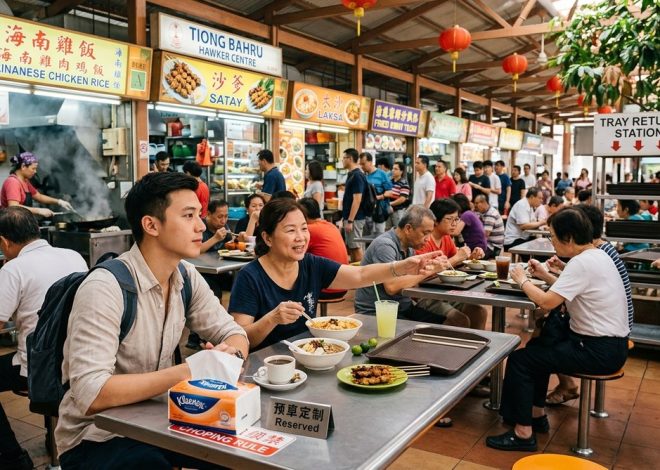
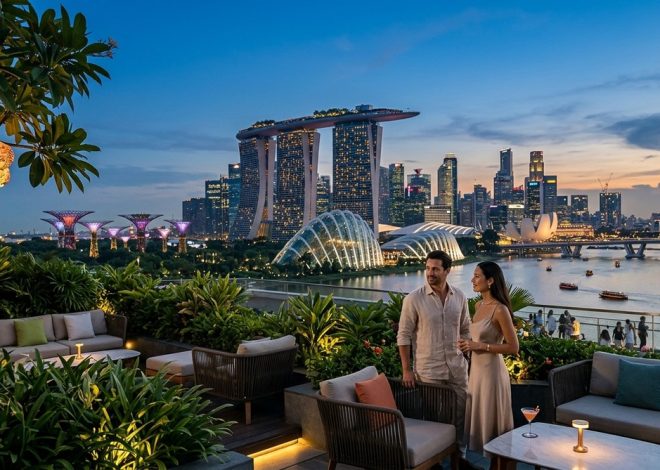
The most important thing is to decide before you arrive. A few minutes of planning saves you from hunting for a SIM card vending machine with a queue of tired travellers behind you. Once your data is working, you can focus on the fun parts of your trip. Ordering chili crab at a hawker centre, finding that hidden bar in Chinatown, and sharing a photo of Marina Bay Sands with your friends back home.
Stay connected, stay stress free, and enjoy every moment of your Singapore holiday in 2026.