Best Local Markets in Singapore for Authentic Souvenirs and Handcrafted Treasures
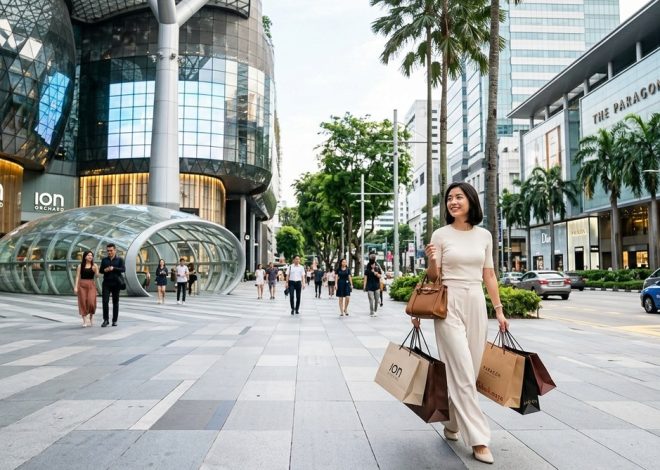
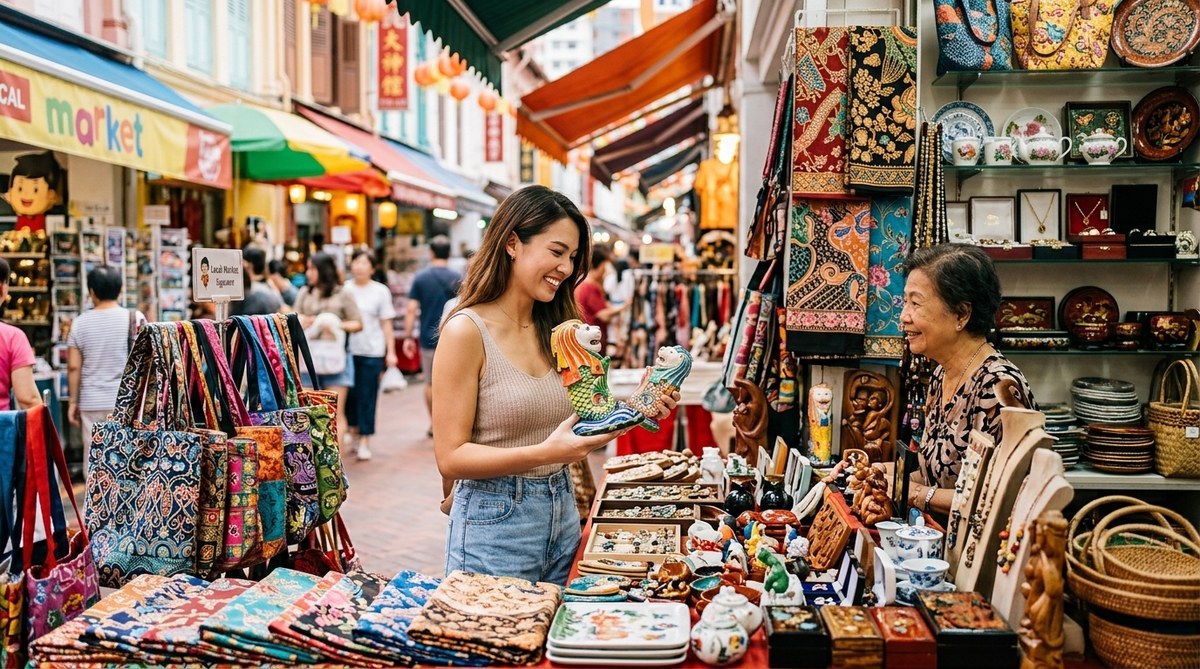
Singapore’s shopping scene extends far beyond the gleaming malls along Orchard Road. The real treasures live in the bustling markets where vendors sell handcrafted goods, traditional textiles, and cultural artifacts you won’t find anywhere else. These markets offer more than just shopping. They’re windows into Singapore’s multicultural heritage, where every purchase comes with a story and every stall reveals something about the city’s rich tapestry of communities.
Singapore’s best markets for souvenirs include Chinatown Street Market for Chinese crafts, Little India Arcade for textiles and spices, Bugis Street for affordable finds, and artisan pop-ups like Public Garden for contemporary local designs. Visit early morning or late afternoon to avoid crowds. Bring cash, as many vendors don’t accept cards. Bargaining is acceptable at street markets but not at curated artisan events.
Why markets beat malls for authentic Singapore souvenirs
Shopping malls offer convenience and air conditioning. Markets offer soul.
The difference shows up in what you bring home. A mass-produced Merlion keychain from a chain store tells one story. A hand-painted batik scarf from a third-generation textile seller tells another.
Markets connect you directly to makers and sellers who can explain the significance behind their goods. You’ll learn why certain patterns appear on Peranakan tiles, how traditional Chinese medicine ingredients are selected, or what makes a particular blend of spices essential to Indian cooking.
The prices often surprise visitors too. Without the overhead costs of retail spaces in premium locations, market vendors can offer better value. A silk scarf that costs $80 at a boutique might sell for $40 at Little India Arcade, with room to negotiate.
Chinatown Street Market for traditional Chinese crafts and cultural items
The network of covered stalls along Pagoda Street, Trengganu Street, and Sago Street forms the heart of Chinatown’s souvenir scene. Open daily from morning until late evening, this market sprawls across several blocks.
You’ll find traditional Chinese tea sets, calligraphy supplies, paper lanterns, and jade jewelry. The quality varies widely between stalls, so take time to compare before buying.
Look for vendors selling authentic items rather than generic tourist goods. Signs include:
- Sellers who can explain the cultural significance of their products
- Items with visible craftsmanship like hand-painted details or intricate embroidery
- Price variations between similar items, indicating handmade rather than mass-produced goods
- Packaging with Chinese characters and maker information
The best finds include traditional medicine ingredients from established herbalists, hand-carved wooden stamps with Chinese characters, and vintage-style propaganda posters that capture Singapore’s history.
Bargaining is expected here. Start at 60% of the asking price and negotiate from there. Vendors respect polite persistence.
After shopping, the nearby hawker centres offer authentic meals that give context to the food-related souvenirs you might purchase.
Little India Arcade and Tekka Centre for textiles and aromatic treasures
Little India transforms shopping into a sensory experience. The scent of jasmine, sandalwood, and curry spices fills the air. Bollywood music drifts from shop speakers. Colors explode from every storefront.
Little India Arcade houses dozens of small shops selling saris, jewelry, religious items, and handicrafts. The building’s covered walkways protect you from rain and sun while you browse.
Standout souvenirs include:
- Silk saris and scarves in jewel tones
- Silver ankle bracelets and traditional jewelry
- Sandalwood and incense in dozens of varieties
- Henna supplies and traditional beauty products
- Brass statues of Hindu deities
- Spice blends you can’t find elsewhere
Tekka Centre, just across the street, combines a wet market on the ground floor with textile and household goods shops upstairs. The ground floor sells fresh ingredients that help you understand the spices available in the shops above.
For textiles, bring a photo of what you’re looking for. Shopkeepers can guide you to similar items or suggest alternatives. Many offer custom tailoring services if you want clothing made from fabrics you select.
The neighborhood gets especially vibrant during Deepavali, when special markets and decorations appear. But any weekend brings energy and activity worth experiencing.
Bugis Street for budget-friendly variety and youthful energy
Bugis Street caters to a younger crowd with lower prices and trendier items. This covered market near Bugis MRT station operates daily until late evening.
The atmosphere differs from traditional markets. Pop music replaces cultural sounds. Fashion accessories outnumber cultural artifacts. But for budget-conscious travelers, the value can’t be beaten.
You’ll find Singapore-themed t-shirts, phone accessories, costume jewelry, and small gifts starting from just a few dollars. Quality leans toward fast fashion rather than heirloom pieces, but that suits certain shopping goals.
Best purchases include:
- Graphic t-shirts with Singapore references
- Affordable sunglasses and fashion accessories
- Phone cases and tech accessories
- Costume jewelry
- Small gifts for coworkers or classmates
The surrounding streets offer more options. Haji Lane, a short walk away, features independent boutiques selling locally designed clothing and accessories at higher price points but with better quality and uniqueness.
Arab Street nearby provides Middle Eastern and Malay cultural items, including prayer mats, traditional clothing, and perfumes.
How to shop Singapore’s artisan and pop-up markets
Singapore’s contemporary craft scene thrives in rotating pop-up markets and monthly events. These curated markets showcase local designers, artists, and makers creating modern interpretations of traditional crafts.
Public Garden at Telok Ayer hosts weekend markets featuring jewelry, ceramics, prints, and fashion from Singapore and regional artisans. The quality exceeds what you’ll find at tourist markets, with prices reflecting the craftsmanship.
Boutiques Singapore runs periodic shopping events bringing together independent designers. Check their schedule before your trip.
Curbside Crafters operates a permanent space with rotating vendors at Aliwal Arts Centre. You’ll find handmade goods from local creators without waiting for special events.
These markets follow different etiquette than street markets:
- Prices are typically fixed, not negotiable
- Credit cards are usually accepted
- Vendors appreciate questions about their creative process
- Photography is welcome but ask before posting vendor faces on social media
- Touching delicate items requires permission
“The difference between buying at artisan markets versus tourist markets is the story. Every piece at an artisan market comes with a maker’s narrative, their inspiration, their technique. You’re not just buying an object. You’re supporting someone’s creative practice and taking home a piece of contemporary Singaporean culture.” (Local craft market organizer)
Timing your market visits for the best experience
Markets have rhythms. Understanding them improves your experience significantly.
Best times to visit traditional markets:
- Weekday mornings (9-11 AM) offer smaller crowds and fresher energy from vendors
- Late afternoons (4-6 PM) bring cooler temperatures and sometimes better bargaining as vendors want to close sales
- Avoid Saturday afternoons when local crowds and tourists converge
Best times for artisan markets:
- Opening hours get you first access to limited-edition items
- Mid-event timing allows you to chat with makers when they’re less rushed
- Closing hours sometimes bring discounts on remaining inventory
Weather matters too. Singapore’s tropical climate means sudden rain showers. Markets with covered areas (Little India Arcade, Bugis Street) work better during rainy season. Open-air markets like some Chinatown sections require flexibility.
Consider what to pack based on when you’ll be shopping outdoors in Singapore’s heat.
Practical shopping strategies that protect your budget and luggage space
Smart market shopping requires planning beyond just showing up.
Bring a reusable shopping bag. Many vendors provide plastic bags, but a sturdy tote protects fragile items better and reduces waste.
Carry small bills. Breaking a $50 note for a $5 purchase frustrates vendors and weakens your bargaining position.
Take photos of items you like but aren’t ready to buy. This helps you compare prices between stalls and remember where you saw specific items.
For fragile souvenirs, ask vendors about packaging. Many provide bubble wrap or newspaper. For especially delicate items, consider shipping services available at some markets.
Budget considerations vary by market type:
| Market Type | Typical Price Range | Bargaining | Payment Methods |
|---|---|---|---|
| Street markets (Chinatown, Bugis) | $5-50 per item | Expected, start at 60% | Cash preferred, some cards |
| Cultural markets (Little India) | $10-100 per item | Polite negotiation accepted | Cash and cards |
| Artisan pop-ups | $20-200 per item | Fixed pricing | Cards widely accepted |
| Permanent craft spaces | $15-150 per item | Usually fixed | Cards accepted |
Factor in overall trip costs when setting your souvenir budget.
What makes a souvenir authentically Singaporean
Not everything sold at Singapore markets comes from Singapore. Distinguishing local from imported helps you find genuine cultural items.
Authentic Singaporean souvenirs reflect the nation’s multicultural identity. Look for items that blend Chinese, Malay, Indian, and Peranakan influences.
Genuinely local items include:
- Peranakan beaded slippers and embroidered goods
- Nyonya kueh molds and traditional baking tools
- Locally blended tea from established Singapore tea merchants
- Kaya (coconut jam) and traditional food products from local producers
- Batik with Peranakan or local motifs
- Chinese calligraphy featuring Singapore landmarks or Singlish phrases
- Locally designed fashion and accessories from Singapore-based makers
Items often imported but sold as souvenirs:
- Generic Merlion figurines (often made elsewhere)
- “Singapore” t-shirts manufactured overseas
- Mass-produced jade jewelry
- Generic Asian decorative items
Ask vendors about origin. Reputable sellers share this information proudly. If someone claims items are handmade locally, ask where the workshop is located. Genuine local makers usually provide specific details.
The cultural gems around Singapore provide context for the souvenirs you’ll find at markets.
Seasonal markets and festival shopping opportunities
Singapore’s festival calendar brings special markets with unique items.
Chinese New Year transforms Chinatown with temporary stalls selling decorations, festive foods, and traditional items. The market runs for several weeks leading up to the holiday, typically in January or February.
Deepavali markets appear in Little India during October or November. Expect special textiles, sweets, decorative items, and traditional clothing.
Hari Raya markets emerge in Geylang Serai before the Muslim celebration. Look for traditional Malay clothing, food items, and decorative goods.
Christmas markets pop up at various locations, though these lean more commercial and less cultural than the traditional festival markets.
These seasonal markets offer items you won’t find year-round. Prices may run higher due to seasonal demand, but the selection and atmosphere provide unique experiences.
Getting to markets using Singapore’s efficient transport system
All major souvenir markets sit within easy reach of MRT stations.
Chinatown Street Market: Chinatown MRT (North East and Downtown Lines), Exit A. The market is immediately visible when you exit.
Little India Arcade and Tekka Centre: Little India MRT (North East and Downtown Lines). Exit and walk toward the colorful shophouses.
Bugis Street: Bugis MRT (East West and Downtown Lines). Follow signs to Bugis Street within the station.
For artisan markets at varying locations, check event details for the nearest station. Singapore’s MRT system makes reaching any neighborhood straightforward.
Taxis and ride-sharing services work well if you’re carrying multiple purchases or shopping in hot weather. But public transport usually proves faster during peak hours.
Storing and transporting your market finds safely
You’ve found perfect souvenirs. Now you need to get them home intact.
For textiles and clothing, rolling rather than folding prevents creases. Place heavier items at the bottom of your luggage.
Fragile items need protection. Wrap ceramics, glassware, and delicate crafts in clothing from your suitcase. Position them in the center of your bag, surrounded by soft items.
Liquids like sauces, oils, or beauty products must follow airline regulations. Place them in sealed plastic bags, then wrap in absorbent materials. Consider shipping valuable or fragile liquid items rather than risking luggage mishaps.
Spices and dry foods travel well but check customs regulations for your destination country. Some nations restrict agricultural products.
For valuable items, photograph your purchases and keep receipts. This helps with insurance claims if needed and smooths customs processes.
If you’re staying at one of the boutique hotels in central Singapore, staff can often recommend shipping services or provide packing materials.
Common mistakes that diminish your market shopping experience
First-time market shoppers often make predictable errors.
Mistake 1: Shopping without research
Visiting markets blind means you might miss the best stalls or pay inflated prices. Spend 20 minutes reading about each market before you go.
Mistake 2: Buying at the first stall
Prices and quality vary significantly between vendors selling similar items. Walk the entire market before committing to purchases.
Mistake 3: Forgetting to bargain (or bargaining too aggressively)
At traditional markets, polite negotiation is expected. But aggressive haggling over small amounts creates bad feelings. Find the middle ground.
Mistake 4: Ignoring weight and space constraints
That beautiful ceramic vase seems perfect until you’re carrying it for three more days of sightseeing. Consider your remaining trip duration and luggage capacity.
Mistake 5: Skipping the cultural context
Markets surrounded by cultural neighborhoods offer richer experiences. Spend time in the area beyond just the market stalls. Visit temples, try local food, observe daily life.
Mistake 6: Only shopping at tourist-focused markets
Balance visits to obvious tourist markets with artisan events and neighborhood markets where locals shop.
Making your souvenir shopping support local communities
Your purchasing choices affect real people and preserve traditional crafts.
Buying directly from makers ensures more money reaches creators rather than middlemen. At artisan markets, you’re often purchasing from the person who made the item.
At traditional markets, established family businesses deserve support over fly-by-night vendors selling generic goods. Look for shops that have been in the same location for years or decades.
Ask about the story behind items. Vendors who can explain cultural significance, traditional techniques, or family history are more likely selling authentic goods and supporting traditional practices.
Consider buying fewer, higher-quality items rather than many cheap souvenirs. A well-made batik scarf at $50 provides more value and supports skilled artisans better than five $10 mass-produced scarves.
Some markets feature social enterprises supporting marginalized communities. These initiatives often display certification or information about their mission.
Bringing home the flavors and scents of Singapore markets
Edible and aromatic souvenirs capture Singapore’s sensory richness.
Best food items to bring home:
- Kaya from traditional producers
- Bak kwa (barbecued meat) vacuum-sealed for travel
- Chinese tea from specialty shops
- Curry powder and spice blends
- Pineapple tarts and traditional cookies (during festival seasons)
- Instant versions of local favorites like laksa or bak kut teh
Aromatic souvenirs worth packing:
- Sandalwood incense and oils
- Traditional Chinese medicine balms
- Jasmine and frangipani-scented products
- Spice sachets for drawers and closets
Check expiration dates on food items. Buy closer to your departure date when possible.
Verify your home country’s customs regulations regarding food and plant products. Most nations allow commercially packaged, shelf-stable items but restrict fresh or homemade foods.
Beyond souvenirs: experiences that complement your market visits
The neighborhoods surrounding markets offer experiences that deepen your understanding of what you’re buying.
In Chinatown, visit the heritage center to learn about early Chinese immigrant experiences. This context makes the traditional items at the market more meaningful.
Little India’s temples welcome respectful visitors. Seeing Hindu religious practices helps you appreciate the significance of religious items sold at the market.
The Malay Heritage Centre in Kampong Glam explains the cultural background behind items sold on Arab Street and at Geylang Serai markets.
Walking tours focused on specific neighborhoods provide historical and cultural context. Many first-time visitors find these tours transform their shopping from transactional to educational.
Food experiences matter too. Taking a cooking class using ingredients from market spice vendors creates lasting memories beyond physical souvenirs.
Where to stay for easy access to Singapore’s best markets
Your hotel location affects how easily you can visit multiple markets.
Staying in Chinatown puts you steps from the street market and within easy MRT reach of Little India and Bugis. The neighborhood offers character and value.
Hotels near Bugis provide central access to multiple markets and shopping areas. The location suits travelers who want to mix market shopping with mall visits.
Little India accommodations immerse you in one of Singapore’s most vibrant cultural neighborhoods, though options are more limited than in other areas.
For visitors who want to balance market visits with other Singapore experiences, choosing between Marina Bay and Orchard Road locations depends on your overall priorities.
Your market shopping journey starts with the right mindset
The best market experiences happen when you approach shopping as cultural immersion rather than just purchasing.
Talk to vendors. Ask questions. Learn the stories behind items that catch your eye. These conversations often become trip highlights that outlast the souvenirs themselves.
Be open to unexpected finds. You might arrive seeking traditional tea sets but leave with handmade jewelry or vintage textiles that spoke to you.
Respect the hustle. Market vendors work long hours in challenging conditions. Patience, politeness, and fair dealing create positive interactions for everyone.
Take your time. Rushing through markets means missing hidden gems tucked in corner stalls or upstairs shops.
The souvenirs you carry home from Singapore’s markets will remind you of sights, sounds, smells, and conversations that made your trip unique. Choose items that tell your story of Singapore, not just generic reminders that you were here. The best markets for souvenirs in Singapore offer both the goods and the experiences that transform shopping into storytelling.