Singapore’s Best-Kept Shopping Secrets: Boutique Malls and Independent Stores Worth Discovering
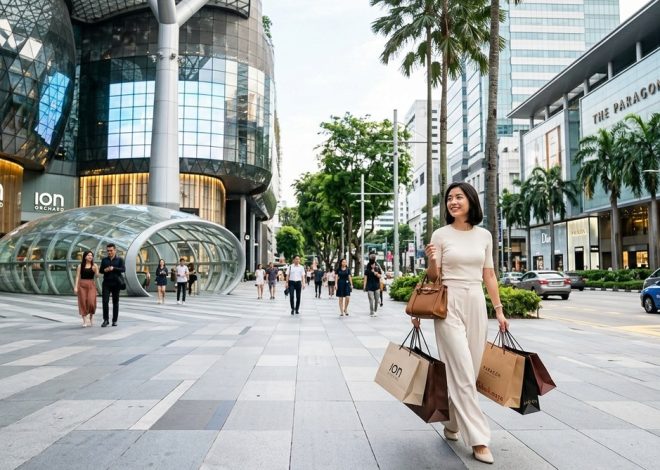
Singapore’s reputation as a shopping paradise usually stops at the glittering malls along Orchard Road. But venture beyond the air-conditioned mega complexes and you’ll find a completely different retail landscape. Independent designers, vintage curators, and local artisans have carved out spaces across the island where personality trumps mass production. These are the shops where Singaporeans actually spend their weekends, not just tourists ticking boxes.
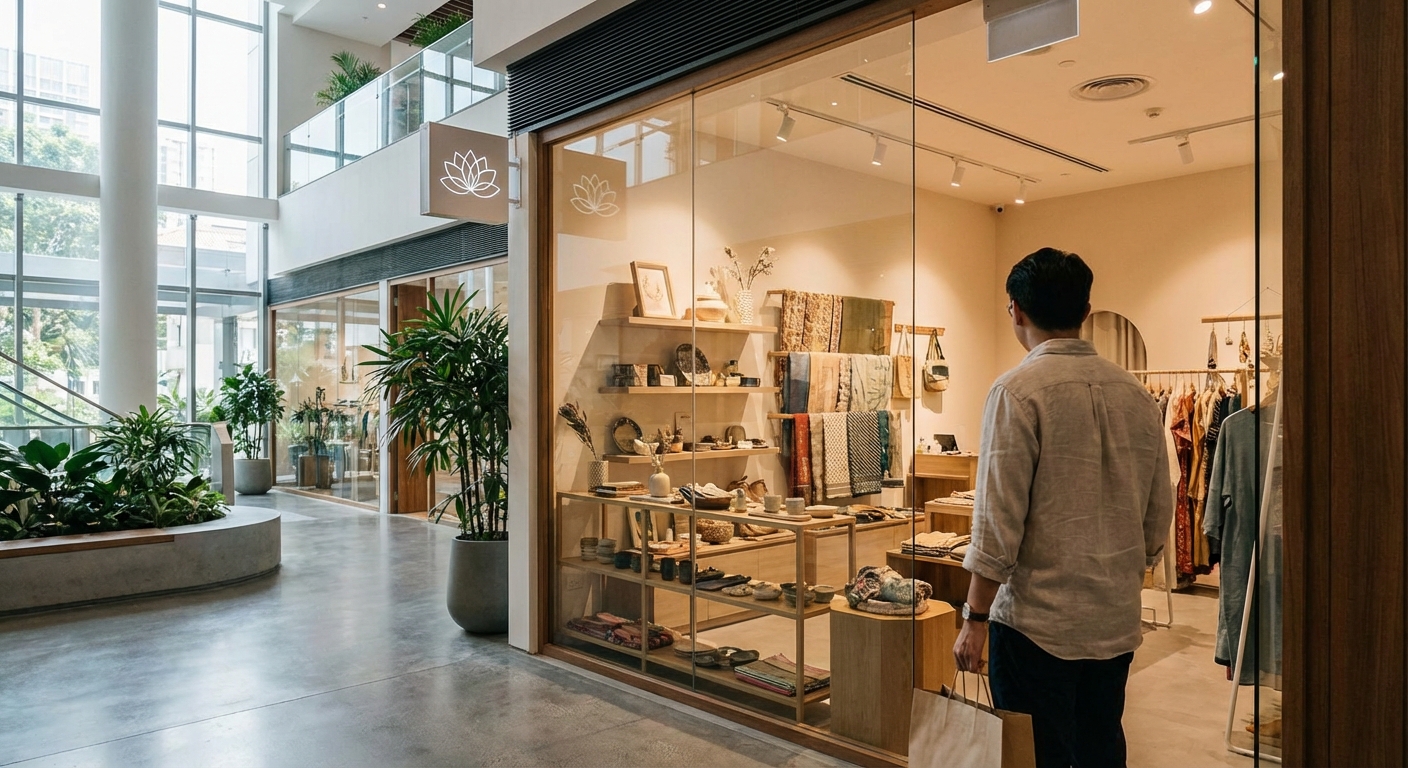
Singapore’s best shopping experiences happen outside major malls. Neighbourhoods like Haji Lane, Tiong Bahru, and Holland Village house independent boutiques selling locally designed fashion, vintage finds, and handcrafted goods. These shops offer authentic Singapore style, better prices than tourist zones, and the chance to support local businesses. Visit weekday afternoons for quieter browsing and genuine conversations with shop owners.
Why Independent Shopping Beats Mall Hopping
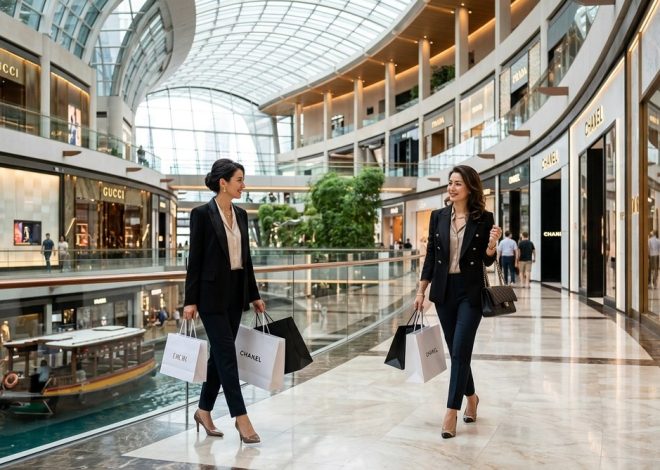
The big malls carry the same international brands you’ll find in London, Tokyo, or New York. Independent shops stock pieces you won’t see anywhere else.
Local designers understand tropical dressing in ways fast fashion never will. They use breathable fabrics, design for humidity, and create silhouettes that work in Singapore’s climate. You’ll find linen cuts that actually flatter, cotton blends that don’t wrinkle after five minutes outside, and colours that pop without feeling costume-like.
Prices often surprise visitors too. Without the overhead of prime mall retail space, many independent boutiques price their goods more reasonably than department store equivalents. A locally made dress might cost less than a mid-range international brand while offering better quality and a unique design.
The shopping experience itself differs completely. Store owners actually talk to you, not because they’re working on commission, but because they genuinely care about their products. They’ll tell you which local artist made that ceramic vase, explain the inspiration behind a fabric print, or suggest alterations to make a garment fit perfectly.
Haji Lane and Arab Street for Fashion with Character
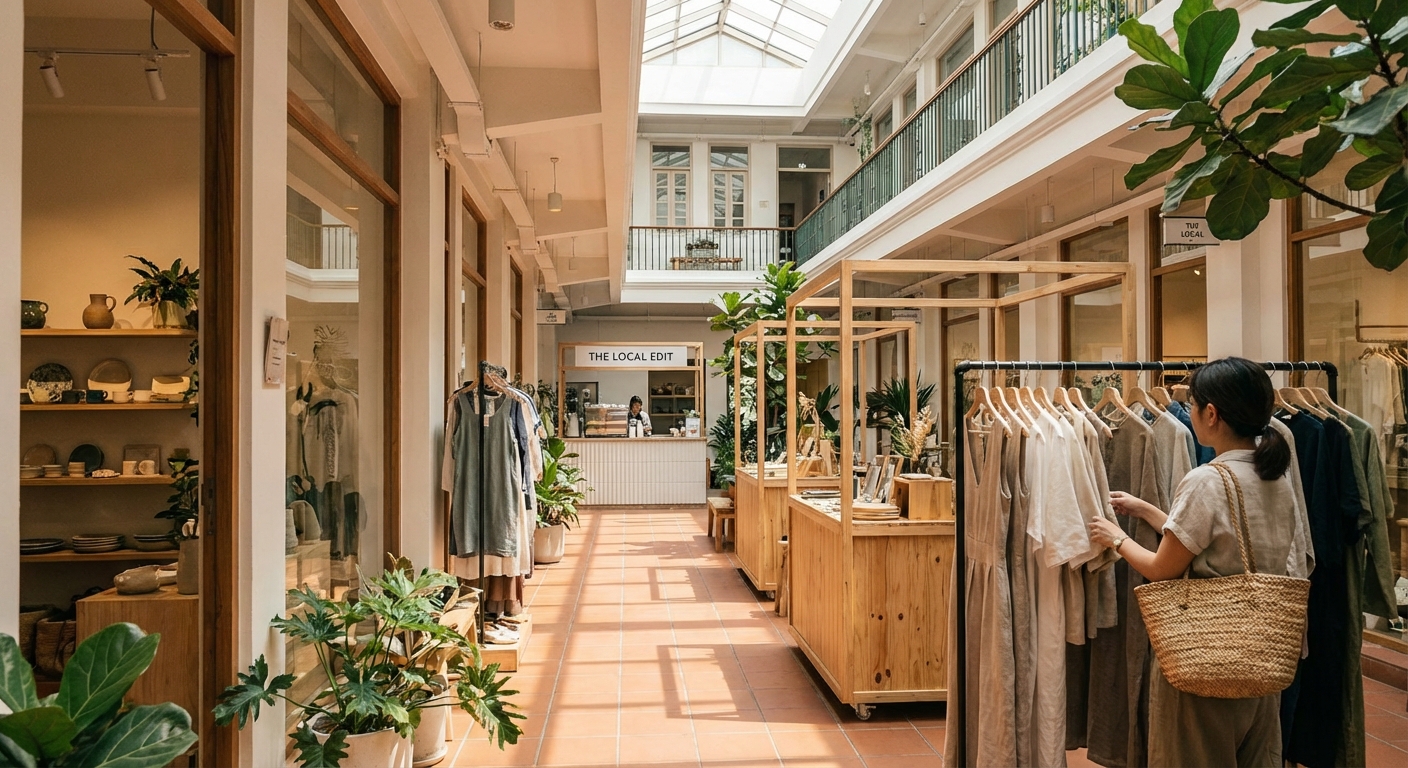
This narrow lane in Kampong Glam packs more personality per square metre than any shopping mall in Singapore. Shophouses painted in bold colours house boutiques selling everything from streetwear to evening gowns.
Start at the Arab Street end and work your way down. Each shop has a distinct aesthetic, so you’ll quickly identify which ones match your style.
Salad Shop specializes in vintage denim and reworked pieces. Their buyers source globally but curate specifically for Singapore’s fashion sensibilities. You’ll find Levi’s from the 1980s, Japanese workwear, and one-off reconstructed jackets.
Mondays Off carries independent Asian designers with a focus on comfortable, wearable pieces. Think oversized linen shirts, wide-leg trousers, and dresses that transition from coffee meetings to dinner without needing a complete outfit change.
Pluck stocks jewellery and accessories from local makers. Many pieces incorporate tropical motifs without veering into tourist territory. Their selection changes frequently as they work with emerging designers testing new collections.
The lane gets crowded on weekend afternoons. Visit on weekday mornings for a calmer experience and better access to shop staff who can share stories about the designers and makers behind each product.
“Shopping at independent boutiques means you’re less likely to show up at an event wearing the same outfit as three other people. In Singapore’s small social circles, that matters more than you’d think.” – Local fashion blogger
Tiong Bahru’s Understated Cool
Why Tiong Bahru Is Singapore’s Most Charming Neighbourhood for Hotel Stays covers accommodation options, but the area’s shopping deserves its own attention.
This neighbourhood attracts a different crowd than Haji Lane. The aesthetic skews more minimalist, the price points trend slightly higher, and the overall vibe feels less about making a statement and more about quiet quality.
Strangelets curates homewares and lifestyle products with an eye for unusual functionality. You’ll find Japanese kitchen tools that actually improve your cooking, Scandinavian design objects that serve a purpose, and books about craft and creativity.
Yong Siak Street hosts several vintage and secondhand shops. The Niche specializes in mid-century furniture and decorative objects. Their inventory changes constantly as they source from estate sales and private collections across Southeast Asia.
Woods in the Books combines a bookshop with a cafe, but their selection of design and art books makes it worth visiting even if you’re not hungry. They stock independent publishers and local authors you won’t find in chain bookstores.
The neighbourhood works best as a morning destination. Grab breakfast at one of the cafes, browse the shops as they open around 11am, then head elsewhere before the lunch crowd arrives.
Holland Village for Eclectic Finds
Holland Village lost some of its character when the old shopping centre was demolished, but independent shops still thrive along Lorong Mambong and the surrounding streets.
Shang Antique deals in Southeast Asian antiques and vintage textiles. Their collection includes Peranakan beaded slippers, vintage batik, and carved wooden furniture. Prices reflect genuine antique status, but they also stock more affordable decorative pieces.
Bynd Artisan started as a leather workshop and expanded into a full lifestyle brand. They make bags, wallets, and accessories on-site, and you can watch craftspeople working as you browse. Custom orders take about two weeks, perfect if you’re staying in Singapore for a while or planning a return trip.
Several shops along Lorong Mambong sell children’s clothing and toys from independent brands. If you’re shopping for kids, you’ll find better quality and more interesting designs than typical mall offerings.
The area works well for combining shopping with other activities. Browse for an hour, stop for lunch at one of the hawker centres nearby, then continue exploring. The ultimate guide to hawker centres in Singapore where locals actually eat can point you toward the best food options.
Planning Your Independent Shopping Route
Visiting these neighbourhoods efficiently requires some strategy. Here’s how to structure your shopping days:
- Choose one neighbourhood per half-day rather than trying to cover everything in a single outing.
- Check opening hours before you go, as many independent shops don’t open until 11am or noon.
- Bring cash for smaller purchases, though most shops accept cards for larger amounts.
- Allow time for conversations with shop owners, who often provide the best recommendations for other places to visit.
- Consider your accommodation location when planning which neighbourhoods to visit on which days.
The ultimate guide to choosing between Marina Bay and Orchard Road hotels can help you position yourself strategically for shopping expeditions.
Getting Around Without Wasting Time
Singapore’s public transport makes reaching these neighbourhoods straightforward, but knowing the best routes saves significant time.
| Neighbourhood | Nearest MRT | Walking Time | Alternative Transport |
|---|---|---|---|
| Haji Lane | Bugis | 8 minutes | Bus 7, 32, 51 |
| Tiong Bahru | Tiong Bahru | 5 minutes | Bus 5, 16, 33 |
| Holland Village | Holland Village | 2 minutes | Bus 7, 105, 106 |
How to navigate Singapore’s MRT like a local complete guide for first time visitors covers ticketing and navigation in detail.
Grab rides between neighbourhoods cost S$8 to S$15 depending on distance and time of day. Sometimes paying for convenience makes sense, especially if you’re carrying shopping bags or the weather turns.
What to Actually Buy
Not everything in independent shops justifies the price or luggage space. Focus on items that genuinely offer something different from what you’d find at home.
Worth buying:
– Locally designed clothing made for tropical climates
– Handcrafted jewellery from Singapore and regional makers
– Vintage textiles and home goods with Southeast Asian provenance
– Books from independent publishers about Singapore and regional topics
– Custom leather goods made to your specifications
Skip unless you love it:
– Mass-produced items marked up because they’re in a boutique setting
– Anything you could easily order online for less
– Fragile decorative objects that will be nightmare to transport
– Clothing that requires dry cleaning in Singapore’s climate
Books and Paper Goods Beyond the Chains
Singapore’s independent bookshops stock titles you won’t find in airport stores or mall branches of major chains.
BooksActually in Tiong Bahru focuses on literary fiction, poetry, and writing about Southeast Asia. They publish local authors under their own imprint and host regular readings and book launches.
Woods in the Books, mentioned earlier, leans toward design, art, and visual culture. Their children’s section features illustrated books from independent publishers worldwide.
Littered With Books operates as a secondhand bookshop with a carefully curated selection. You’ll find out-of-print titles about Singapore, vintage travel guides, and unexpected gems the owner has collected over decades.
For stationery and paper goods, Bynd Artisan makes leather-bound notebooks and journals on-site. Actually in Tiong Bahru stocks Japanese stationery brands and writing implements that make fountain pen enthusiasts very happy.
Markets and Temporary Retail Spaces
Beyond permanent shops, several regular markets showcase local designers and makers.
Zouk Flea Market happens monthly at various locations around the island. Vendors sell vintage clothing, handmade accessories, and independent fashion labels. The exact date and location change, so check their social media before planning a visit.
MAAD (Market of Artists and Designers) runs on Friday evenings at different venues. You’ll find illustrators selling prints, jewellery makers, and food vendors offering alternatives to typical hawker fare.
These markets work well for browsing and discovering new designers before they open permanent shops. Prices tend to be lower than boutique retail, and many vendors offer discounts for cash purchases.
Vintage and Secondhand Hunting
Singapore’s vintage scene has grown significantly in recent years. Several shops specialize in curated secondhand fashion and accessories.
New Old Stock in Kampong Glam focuses on vintage sportswear and streetwear. Their inventory includes Nike, Adidas, and Champion pieces from the 1980s and 1990s, sourced globally but selected for Singapore tastes.
Retro Vera deals in vintage dresses and women’s fashion from the 1950s through 1980s. Their pieces are cleaned, repaired when necessary, and priced fairly for the condition and rarity.
Refash operates as a consignment store for contemporary designer pieces. You’ll find labels like Acne Studios, Isabel Marant, and local designers at significant discounts from original retail prices.
Quality varies in vintage shopping, so inspect items carefully before buying. Check seams, zippers, and fabric condition. Most shops have generous return policies, but confirming before purchase prevents disappointment.
Design Objects and Homewares
Several shops specialize in functional design objects that work as both tools and decorative pieces.
Supermama collaborates with local and regional designers to create limited-edition homewares. Their porcelain plates, bowls, and serving pieces feature Singapore-inspired designs without tourist kitsch. Each collection is numbered and comes with information about the designer.
Naiise operates several locations across Singapore, each with slightly different inventory. They stock products from hundreds of independent designers, focusing on items made in Singapore and Southeast Asia. Quality control is generally good, though some products lean more decorative than functional.
Cat Socrates in Haji Lane specializes in plants and planters. If you’re staying in Singapore long-term or shipping items home, their ceramic pots and plant care tools offer better design than typical garden centres.
Jewellery from Local Makers
Singapore’s jewellery scene extends far beyond the gold shops in Little India and Chinatown. Independent makers create contemporary pieces using traditional techniques and unexpected materials.
Carrie K designs minimalist jewellery inspired by architectural forms. Her pieces work equally well in office settings and evening events. The flagship store in Mandarin Gallery offers the full collection, though several boutiques stock selected items.
Cléo creates sculptural jewellery that makes statements without overwhelming. Pieces incorporate pearls, semi-precious stones, and metals in combinations that feel fresh rather than traditional.
By Invite Only operates by appointment, offering bespoke jewellery design services. If you’re looking for custom engagement rings or special occasion pieces, their designers work collaboratively to create exactly what you want.
Practical Shopping Tips
Making the most of independent shopping requires adjusting your expectations and approach.
Start conversations with shop owners and staff. They know their products intimately and can suggest items based on your needs rather than pushing high-margin inventory.
Try things on even if you’re not sure. Sizing in local brands often differs from international standards, and cuts designed for tropical climates fit differently than what you might wear at home.
Ask about care instructions before buying. Some locally made items require hand washing or specific handling that might not suit your lifestyle.
Request business cards or contact information. Many shops ship internationally, so you can order additional items after returning home.
Take photos of items you’re considering but not ready to buy. This helps when comparing options across multiple shops and prevents impulse purchases you’ll regret.
Weather Considerations for Shopping Days
Singapore’s tropical climate affects shopping comfort significantly. Singapore weather what to pack for year round tropical comfort covers clothing choices, but shopping-specific considerations matter too.
Morning shopping sessions from 10am to 1pm offer the best weather before afternoon heat peaks. Many neighbourhoods have limited shade, so sun protection matters more than you’d expect.
Afternoon thunderstorms happen frequently, particularly between November and January. Carry a compact umbrella or plan indoor shopping during peak rain hours from 3pm to 5pm.
Humidity affects how you evaluate clothing. Something that feels comfortable in an air-conditioned shop might be unbearable after five minutes outside. Ask if you can step outside briefly while trying on items, or at minimum, move away from air-conditioning vents before deciding.
Combining Shopping with Other Activities
The best shopping neighbourhoods offer more than just retail therapy. Planning mixed itineraries makes for more enjoyable days.
Haji Lane sits next to Sultan Mosque and the Malay Heritage Centre. Spend an hour shopping, then visit the museum to understand the neighbourhood’s cultural context.
Tiong Bahru combines shopping with excellent food options. The ultimate first timer’s guide to navigating Singapore like a local mentions several cafes worth visiting between boutique stops.
Holland Village borders the Botanic Gardens, a UNESCO World Heritage site. Shop in the morning, have lunch, then spend the afternoon walking through the gardens.
When to Visit for Best Selection
Timing your shopping trips around local patterns improves your experience significantly.
Weekday afternoons from Tuesday to Thursday offer the quietest browsing. Shop owners have more time for conversations, changing rooms are available without waiting, and you can actually see merchandise without crowds blocking your view.
Weekend mornings from 10am to noon work well if weekday shopping isn’t possible. Arrive right when shops open to avoid peak crowds that arrive after lunch.
Avoid public holidays and school holiday periods unless you enjoy crowded shopping environments. Popular neighbourhoods like Haji Lane become uncomfortably packed during these times.
Sale periods happen during Great Singapore Sale (June to August) and year-end holidays (December to January). Independent shops participate less aggressively than malls, but many offer discounts worth timing your visit around.
Shipping and Customs Considerations
If you’re buying more than fits in your luggage, several options exist for getting purchases home.
Many shops offer international shipping, though costs vary significantly. Ask for quotes before buying if shipping factors into your budget.
SingPost provides reliable international parcel service at reasonable rates. Pack items yourself and drop them at any post office location.
Commercial shipping companies like FedEx and DHL cost more but offer better tracking and insurance for valuable items.
Check customs regulations for your home country before shipping. Some items incur duties or require special documentation. Singapore shops generally won’t handle customs paperwork, so you’re responsible for compliance.
Supporting Local Makers Matters
Every purchase from an independent shop supports someone’s creative career and contributes to Singapore’s cultural ecosystem.
Local designers face significant challenges competing with international brands and fast fashion. Rent is high, production costs in Singapore are substantial, and marketing budgets can’t match corporate competitors.
When you buy from independent makers, you’re voting for diversity in fashion and design. You’re helping ensure that Singapore’s retail landscape doesn’t become identical to every other global city.
Many shop owners started their businesses after years working in corporate environments or studying abroad. They returned to Singapore specifically to build something meaningful. Your purchases make those dreams sustainable.
Finding What Suits Your Style
Not every independent shop will match your aesthetic, and that’s fine. Part of the fun is discovering which designers and makers resonate with your taste.
Spend time browsing without feeling pressured to buy. Independent retail works differently than mall shopping. There’s no expectation that every visitor purchases something.
Take note of designers whose work you appreciate even if specific items don’t suit your needs. Many have websites or social media where you can follow new collections.
Ask shop owners for recommendations about other stores you might enjoy. The independent retail community in Singapore is small and collaborative. People freely suggest competitors if they think you’ll find something you love.
Making Shopping Part of Your Singapore Story
The best places to shop in Singapore aren’t about acquiring things. They’re about connecting with the city’s creative community and taking home pieces that carry genuine stories.
That dress from a Haji Lane boutique will remind you of the designer who explained her inspiration over coffee. The vintage bowl from Tiong Bahru carries decades of history. The custom leather bag from Holland Village was made specifically for you by someone who cared about getting every detail right.
These purchases become conversation pieces and memory triggers in ways that mall shopping never achieves. They represent time spent wandering neighbourhoods, discovering unexpected corners of Singapore, and supporting people who chose creativity over conventional careers.
Start with one neighbourhood that matches your interests. Spend a morning browsing without agenda. Talk to shop owners. Try things on. Take your time. The best shopping experiences in Singapore happen when you’re not rushing to tick items off a list but genuinely engaging with the city’s independent creative scene.