5 Essential Cultural Customs to Know Before Visiting Singapore
“`
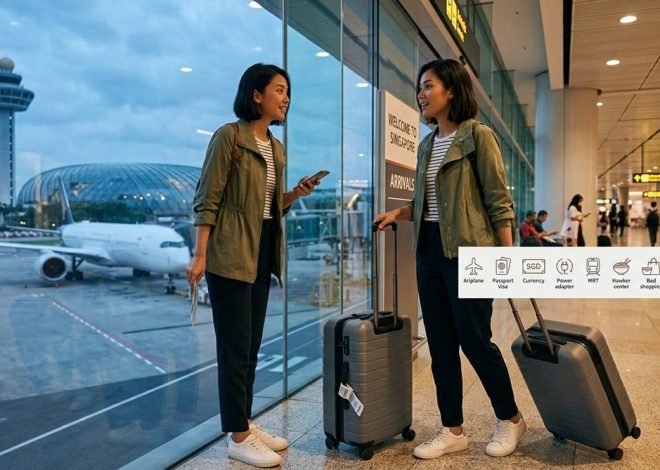
You step off the plane at Changi Airport, and within minutes you notice something different about Singapore. The air is warm and humid. The signs are in four languages. Everything feels orderly, almost choreographed. This city is a blend of Chinese, Malay, Indian, and Western influences, and its cultural customs reflect that mix. Getting these customs right is not about being perfect. It is about showing respect. And when you show respect, locals open up to you in ways that transform a trip from good to unforgettable.
Singapore’s cultural customs are rooted in efficiency, respect, and harmony. The most important rules involve removing shoes before entering homes, using both hands to pass items, never leaving chopsticks upright in rice, returning your tray at hawker centres, and avoiding public displays of anger. Master these five habits and you will navigate Singapore with confidence, earning smiles from locals at every turn.
Why Understanding Local Customs Makes Your Trip Better
Many visitors treat Singapore like a theme park. They visit Marina Bay Sands, eat at a hawker centre, and leave. But the travellers who connect with locals, who get invited into homes, who learn about the real story behind the dishes, are the ones who understand cultural customs. Singaporeans are warm and helpful, but they appreciate it when you make an effort with their way of doing things.
The customs here are not hidden. They are visible everywhere, from the way people queue for the MRT to the way they order coffee at a kopitiam. Once you know what to look for, you will see them too.
The Five Essential Customs You Must Know
Let us walk through the five most important cultural customs that every first-time visitor should know. These are the ones that will affect your daily experience the most.
1. Remove Your Shoes Before Entering a Home
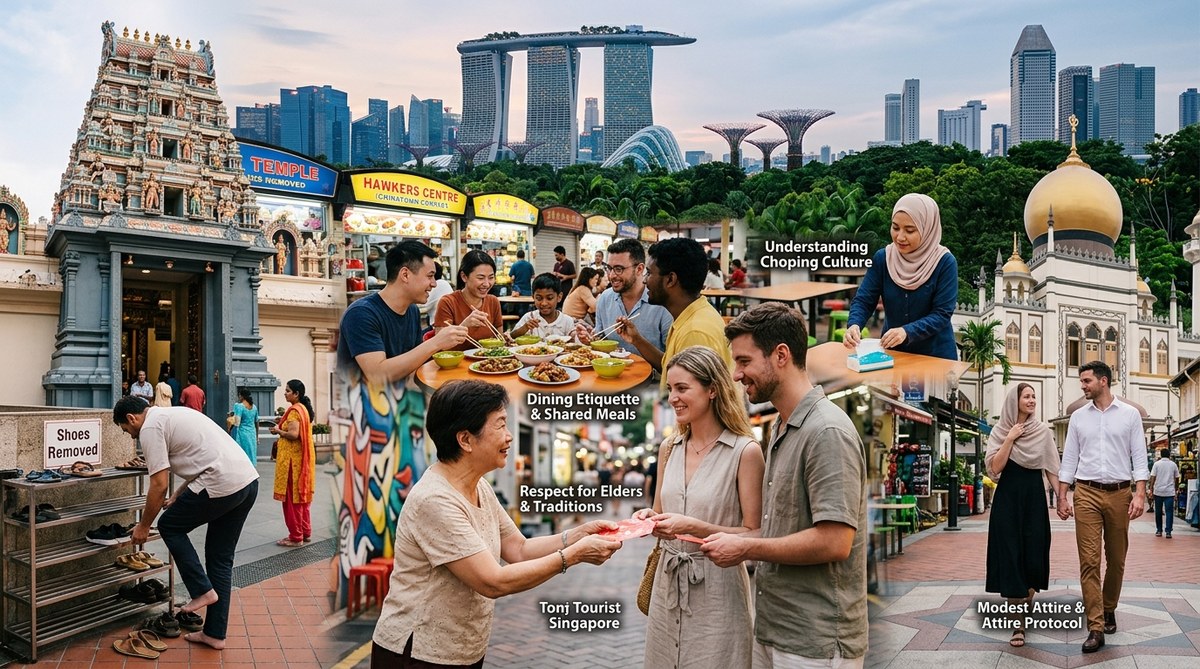
This rule is non-negotiable. When you enter a Singaporean home, you leave your shoes at the door. The same applies to many temples, mosques, and some boutique shops.
Here is how to handle it like a local:
- Look for a shoe rack or pile of shoes near the entrance. That is your cue.
- Remove your shoes and place them neatly on the rack or to the side.
- If you are wearing socks, keep them on. Bare feet are also fine.
- If you are offered house slippers, wear them. They are for indoor use.
- Never walk into the living area with outdoor shoes, even if the host says “it is okay.” They are just being polite.
Expert advice: “Always wear clean, hole-free socks when visiting someone’s home in Singapore. You never know when you will be asked to remove your shoes, and presenting frayed or smelly socks is a genuine social faux pas.” – Local etiquette coach, Singapore
2. Master the Art of Hawker Centre Etiquette
Hawker centres are Singapore’s open-air food courts, and they are a UNESCO-recognised part of local culture. They are also where most cultural missteps happen.
Here is what you need to know:
- Chope a table first. Before you order, find an empty table and place a packet of tissues or a small item on it. This signals that the table is taken. Locals call this “chope-ing” (pronounced “chope” with a sharp ending).
- Order at the stalls. Do not wait for someone to take your order. Walk up to the stall, look at the menu, and order directly.
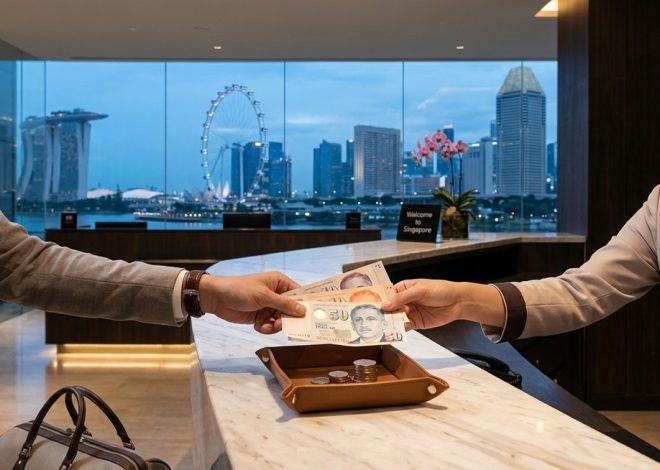
- Pay with cash or PayNow. Many stalls still prefer cash, though some accept cards. Have small denominations handy.
- Return your tray. After eating, clear your table. Take your used dishes, cups, and utensils to the tray return station. This is not optional. It is the law, and it keeps the hawker centre clean.
- Use serving spoons. When sharing dishes, use the provided serving spoon, not your personal chopsticks or spoon.
| Do This | Avoid This |
|---|---|
| Chope a table with a tissue pack | Leaving a jacket or bag to chope (it may get stolen) |
| Return your tray after eating | Leaving dishes on the table for cleaners |
| Use serving spoons for shared dishes | Using personal chopsticks to pick from communal plates |
| Say “thank you” in Mandarin (xie xie) or Malay (terima kasih) | Assuming all stall holders speak English |
3. Respect the Unspoken Rules of Public Behaviour
Singapore is known for its strict laws, but most customs are about social harmony, not legal enforcement. Here are the key ones:
- Do not lose your temper. Losing your cool in public, especially raising your voice or making a scene, is considered deeply embarrassing. Singaporeans value face and self-control. If something goes wrong, stay calm and speak politely.
- Queue properly. Singaporeans love an orderly queue. Whether you are waiting for the MRT, buying chicken rice, or boarding a bus, join the back of the line. Cutting is a serious offence.
- Chewing gum is banned. You cannot import or sell chewing gum in Singapore. This is a legal rule, not just a custom. Bring gum at your own risk. The fines are real.
- Keep the MRT quiet. The train is for reading, listening to music with headphones, or resting quietly. Loud phone calls or conversations are frowned upon.
4. Dining Customs That Show Respect
Mealtime in Singapore is a serious affair. Whether you are at a hawker centre, a restaurant, or someone’s home, these customs matter:
- Wait for the eldest person to start eating. At a family meal or formal dinner, let the most senior person take the first bite before you begin.
- Use chopsticks correctly. Never stick chopsticks upright into a bowl of rice. This looks like incense sticks at a funeral and is considered bad luck. Rest them on the chopstick rest or across the bowl.
- Pass dishes with two hands. When offering a dish to someone, use both hands to pass it. This is a sign of respect. If you are receiving, also use both hands.
- Do not finish every grain of rice. Leaving a small amount of rice in your bowl signals that you have had enough. Finishing every grain can imply you are still hungry and the host did not provide enough.
5. Understand the “Dua” System and Religious Sensitivity
Singapore is a multi-religious society. You will find temples, mosques, churches, and shrines side by side. Respect is expected.
- Dress modestly at religious sites. For temples and mosques, cover your shoulders and knees. Remove your shoes before entering.
- Do not touch someone’s head. In many Asian cultures, the head is considered sacred. Avoid patting children on the head or touching anyone’s hair.
- Use your right hand for giving and receiving. The left hand is traditionally associated with hygiene tasks. Use your right hand to pass money, business cards, or gifts.
- Do not point with your finger. If you need to indicate something, use your whole hand with an open palm. Pointing with a single finger is rude.
A simple table to summarise the do’s and don’ts of giving and receiving:
| Situation | Correct Action | Common Mistake |
|---|---|---|
| Passing a gift | Use both hands, offer it with a slight bow | Handing it over with one hand |
| Receiving a business card | Accept with two hands, read it, then place it on the table | Stuffing it into a pocket without looking |
| Giving money | Pass with right hand, left hand supporting the right elbow | Using only the left hand |
| Receiving a compliment | Smile and say “ei yo, not lah” (a humble denial) | Accepting the compliment without modesty |
One More Thing: The Power of “Lah” and Other Local Words
You will hear Singlish everywhere in Singapore. It is the local creole that mixes English with Chinese dialects, Malay, and Tamil. You do not need to speak it, but understanding a few words will help you connect.
Here are three you will hear most often:
- Lah – A suffix added to the end of a sentence for emphasis. “Can lah” means yes, it is possible. “No lah” means no, definitely not. It softens the tone and adds friendliness.
- Can – Means “yes” or “okay.” “Can or not?” means “is it possible?”
- Paiseh – Means “embarrassed” or “sorry.” You say “paiseh” when you accidentally bump into someone or make a minor mistake.
Using these words naturally, not forced, will make locals smile. But do not overdo it. Nothing feels more awkward than a tourist who says “lah” after every sentence.
How These Customs Connect to Your Daily Experience
Let me show you how these customs play out in a typical day in Singapore.
Morning at a hawker centre. You arrive at a busy hawker centre near your hotel. You see a table with a tissue pack on it. You move on. You find an empty table, place your own tissue pack there, and then go order. You order kaya toast and kopi-O (black coffee with sugar). The stall holder nods and says “can.” You pay with cash, take your food, and eat. After finishing, you return your tray. A local nods at you in approval.
Afternoon at a temple. You visit the Buddha Tooth Relic Temple in Chinatown. You see a sign asking you to remove your shoes. You take them off and place them on the rack. You cover your shoulders with a scarf you brought. Inside, you see an elderly Chinese woman offering incense. You wait quietly, do not take photos of her, and move respectfully.
Evening at a local home. A friend you met invites you to dinner. You bring a small gift, maybe some fruit or a box of mooncakes if it is the Mid-Autumn Festival season. You remove your shoes at the door. You wait for the eldest person to start eating. You use both hands to pass dishes. You leave a little rice in your bowl. Your host smiles and says “wah, you know already.” You feel like you belong.
Your Practical Checklist for Singapore Cultural Customs
Here is a quick checklist to run through before you go out each day:
- [ ] I have tissues or a small item to chope tables at hawker centres
- [ ] I am wearing socks without holes
- [ ] I have a scarf or light jacket to cover shoulders at religious sites
- [ ] I have cash in small denominations for hawker stalls
- [ ] I know which hand to use for giving and receiving
- [ ] I am ready to queue patiently and quietly
- [ ] I have a polite smile ready, not a frustrated frown
Putting It All Together for a Smoother Trip
The best part about Singapore cultural customs is that they make life easier. When everyone follows the same rules, everything runs smoothly. Trains arrive on time. Hawker centres stay clean. People treat each other with respect. You will feel this order the moment you arrive, and once you understand the customs, you become part of it.
For a deeper look at how to move around the city with confidence, check out our guide on navigating Singapore like a local. It covers transport routes, neighbourhood tips, and how to blend in.
If you are curious about the food scene and want to eat where locals actually go, our guide to hawker centre etiquette goes into more detail about specific dishes and stall protocols.
And if you are wondering whether to tip at restaurants or hotels, the short answer is: do not. Service charge is already included. For a full breakdown, read our article on tipping expectations in Singapore.
A Final Thought on Making Friends Through Customs
Cultural customs are not about following rules. They are about building bridges. When you take off your shoes without being asked, when you return your tray at a hawker centre, when you use two hands to pass a drink, you are telling Singaporeans that you respect their home. And when they see that respect, they will go out of their way to help you, to recommend their favourite laksa stall, to tell you which MRT exit to use, to share a story about their neighbourhood.
That is the real reward of understanding Singapore cultural customs. It turns a trip into an experience. It turns strangers into friends. And it makes you want to come back again.
Welcome to Singapore. You already fit in more than you know.