Savour the Best Chilli Crab in Singapore: A Guide to Legendary Eateries
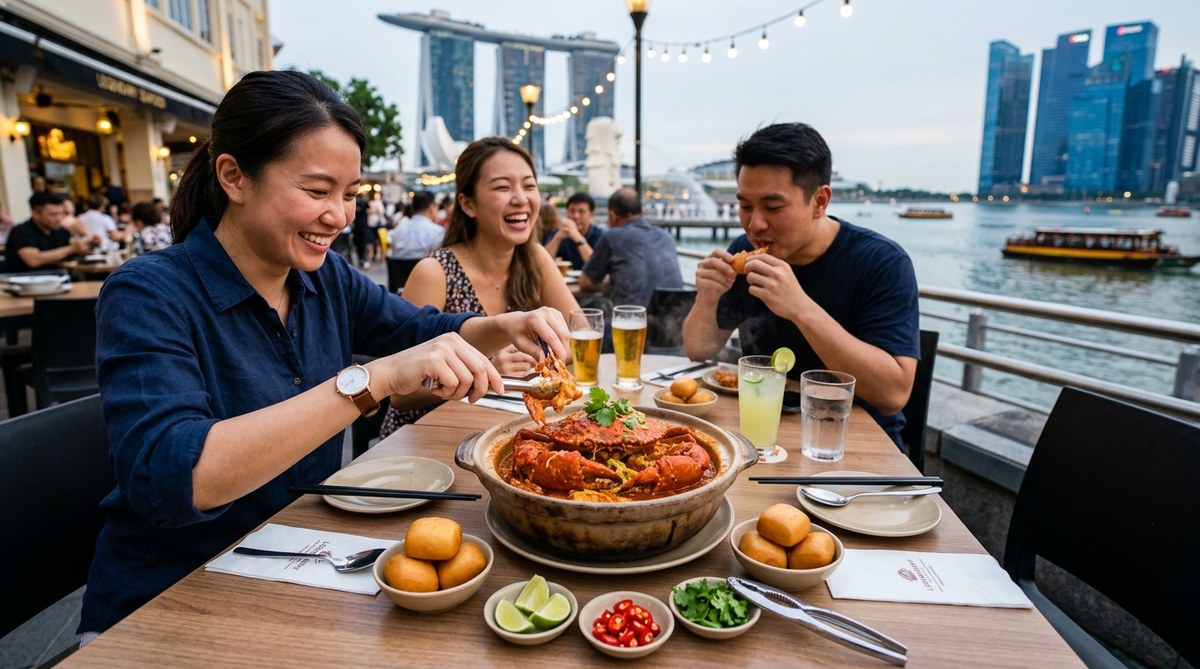
The mud crab arrives at your table glistening in a thick, glossy sauce the colour of a tropical sunset. The aroma hits you first: tangy tomato, a whisper of chilli heat, and something savoury that makes your mouth water. You pull on the plastic gloves, pick up the first claw, and crack it open. That first bite of sweet, tender crab meat coated in the iconic sauce is pure Singapore. This is chilli crab, and it is worth travelling for.
The search for the best chilli crab Singapore has to offer can feel overwhelming with so many famous spots claiming the crown. This guide cuts through the noise, covering legendary hawker stalls, established seafood restaurants, and hidden gems across the island. Whether you crave the classic sweet-savoury sauce or want a modern twist, you will find clear recommendations, practical tips on what to order, along with advice on the best time to visit each venue.
Why Chilli Crab Is Singapore’s National Dish
Chilli crab is not just food. It is a story on a plate. Invented in the 1950s by a street hawker named Cher Yam Tian, the dish was born when she experimented with stir frying crab in a mixture of bottled chilli sauce and tomato sauce. That humble start grew into a national obsession.
Today, chilli crab appears on menus everywhere from air conditioned restaurants to bustling hawker centres. It has inspired chilli crab pasta, chilli crab bao, and even chilli crab flavoured potato chips. But the original remains the standard. The perfect version delivers a sauce that is simultaneously sweet, savoury, and gently spicy, clinging to fresh mud crab that has been wok fried to perfection. The texture matters too. The sauce should be thick enough to coat the back of a spoon but loose enough to soak into mantou, those deep fried Chinese buns that are the official sidekick to every great plate of chilli crab.
If you are visiting Singapore for the first time, eating chilli crab is a rite of passage. It belongs on the same must try list as watching the Marina Bay light show and exploring the Botanic Gardens. And to make the most of your trip, you should check out our first-timer’s guide to navigating Singapore for practical tips on getting around.
The Top Spots for the Best Chilli Crab Singapore Has to Offer
Every chilli crab fan has a favourite. Some swear by the old school veterans. Others chase the latest trendy versions. The list below covers the full spectrum. These are the places that locals and visitors consistently rank as the best chilli crab Singapore has to offer.
Jumbo Seafood
Jumbo Seafood is the name most tourists recognise, and for good reason. Their East Coast outlet offers a waterfront dining experience that feels distinctly Singaporean. The chilli crab here is polished and consistent. The sauce has a bright, balanced flavour with noticeable tomato sweetness and a slow building heat. The crab itself is always fresh, with generous portions of meat.
The downside? Expect a queue. Jumbo is popular, and dinner slots fill up fast. Go early, around 5.30pm, to avoid the longest wait. If you plan to visit the East Coast area, you might also want to read about hawker centres in Singapore to combine your chilli crab feast with other local eats.
No Signboard Seafood
No Signboard started as a tiny stall in the 1980s and grew into a household name. Their chilli crab sauce is darker, richer, and more robust than most competitors. Some say it has a slight fermented kick that adds depth. The crab is always wok fried with serious heat, giving the shell a charred aroma that complements the sauce.
Their Geylang outlet feels raw and authentic, surrounded by the neighbourhood’s famous energy. The pricing is higher than average, but the portion sizes are generous. If you want a no frills experience with big flavours, this is your spot.
Mellben Seafood
Mellben is the place locals whisper about when they want the real deal. Tucked away in a quiet corner of Ang Mo Kio, this family run restaurant has been serving chilli crab for decades. Their sauce leans sweeter than most, with a noticeable eggy richness from the beaten eggs stirred in at the end.
The crab itself is consistently large and meaty. The staff crack the claws for you before serving, a small touch that makes a big difference when you are wearing plastic gloves and trying not to make a mess. Mellben does not take reservations for small groups, so be prepared to wait on weekends.
Eng Seng Restaurant
Eng Seng operates out of a humble coffee shop along Jalan Besar. There is no air conditioning. The tables are plastic. The menu is limited. But the chilli crab here is legendary among food writers and chefs.
Their version is intensely savoury, with a heavier hand on the chilli paste and less tomato sweetness. The sauce clings thickly to each piece of crab. Make sure you order extra mantou because you will want to mop up every last drop. Eng Seng opens at 5pm and often sells out before 9pm. Arrive early or risk disappointment.
Keng Eng Kee
Keng Eng Kee in Bukit Merah is a third generation zi char stall that does many things well, but their chilli crab is a standout. The sauce has a lovely wok hei aroma, that smoky breath of flavour that only high heat wok cooking can produce. It is less sweet than Jumbo’s and more balanced than Eng Seng’s.
The restaurant is family friendly and the staff are happy to recommend the right crab size for your group. Pair the chilli crab with their famous moonlight hor fun, rice noodles in a silky egg gravy. You can thank me later.
For travellers who want to stay near these legendary eateries, check out our list of best boutique hotels in Singapore for accommodation that puts you close to the action.
What Separates Great Chilli Crab from Average Ones
Not all chilli crab is created equal. The difference between a good plate and an unforgettable one comes down to a few key factors. The table below breaks down what to look for and what to avoid.
| Element | What to Look For | Common Mistake |
|---|---|---|
| Sauce consistency | Thick enough to coat the crab, slightly glossy | Sauce that is watery or cornstarch heavy |
| Crab freshness | Sweet, firm meat that pulls away cleanly from the shell | Rubbery or mushy meat from frozen crab |
| Spice balance | Sweetness hits first, followed by gentle heat | Overpowering heat that masks the crab flavour |
| Wok hei aroma | A faint smoky, charred note from high heat wok frying | Flat, boiled flavour with no depth |
| Egg finish | Thin strands of egg stirred in at the end for richness | Egg clumps that look scrambled or curdled |
| Mantou quality | Golden, crispy on the outside, fluffy inside | Soggy or undercooked buns that fall apart |
When you sit down at a restaurant, look at the sauce first. A good chilli crab sauce should not pool at the bottom of the plate. It should cling to every surface. If the sauce looks thin or separates into oil and liquid, the kitchen has taken shortcuts.
How to Order Chilli Crab Like a True Local
Eating chilli crab is a hands on affair. There is no polite way to do it. You get messy, and that is part of the fun. Follow these steps to order and eat like someone who has been doing this for years.
-
Decide on the crab size. Most restaurants offer Sri Lankan mud crab in sizes from 600 grams to over 1 kilogram. A 700 to 800 gram crab is ideal for one to two people. Larger crabs have more meat but can be tougher. Ask your server for their recommendation.
-
Choose your sauce. Chilli crab is the classic, but many restaurants also offer black pepper crab, salted egg crab, and drunken crab. If it is your first visit, stick with chilli crab. You can order additional sauces if your group is large enough.
-
Order extra mantou. The rule is two buns per person minimum. You will use them to soak up the leftover sauce after the crab is finished. Some restaurants serve them fried, some steamed. Fried is more traditional.
-
Ask for the crab to be cracked. Many restaurants will crack the claws and legs in the kitchen before serving. If they do not, ask for a crab cracker. Do not use your teeth on the shell unless you want a trip to the dentist.
-
Pace yourself. Chilli crab is rich. Eat the meat first, then dip the mantou into the sauce, then finish with any remaining sauce spooned over rice. Take your time. This is a meal to savour.
For more tips on dining out in Singapore, including etiquette at hawker centres, read our guide on hawker centre etiquette. It covers the small rules that make a big difference.
Tips for a Memorable Chilli Crab Feast
Beyond the food itself, a few practical details can turn a good chilli crab dinner into a great one.
- Wear dark clothes. The sauce stains. Light coloured shirts will not survive the experience. Dark colours hide the inevitable splashes.
- Bring wet wipes. Most restaurants provide a bowl of lemon scented water for cleaning your hands, but wet wipes are more effective. Pack your own just in case.
- Go in a group. Chilli crab is a sharing dish. The more people at your table, the more sauces and side dishes you can try. Solo diners can still enjoy it, but you will miss the variety.
- Check the market price. Chilli crab is priced by weight, and market prices fluctuate. Always confirm the price before ordering to avoid bill shock. A single crab can cost anywhere from S$50 to S$120 depending on size and season.
- Skip the appetisers. Chilli crab is the main event. Anything you eat before it will fill you up and dull your palate. Save your stomach space.
“The secret to great chilli crab is patience. You need to let the sauce reduce slowly so the flavours concentrate. And you must never rush the wok hei. That smoky scent is what makes the dish sing.”
Chef Lim, third generation owner of a well known zi char stall in Bukit Merah
Where to Stay for Your Chilli Crab Adventure
Chilli crab is worth planning your accommodation around. The best strategy is to choose a hotel that gives you easy access to multiple eateries without needing to cross the island for every meal.
The East Coast area is ideal. Jumbo Seafood and several other seafood restaurants line the East Coast