Discover Singapore’s Best Halal Dining Experiences from Street Food to Fine Dining
Craving your way through Singapore can feel overwhelming. The city is a whirlwind of sizzling woks, fragrant spices, and endless queues. For Muslim visitors and expats, finding the best halal food in Singapore means navigating a landscape that blends Malay, Indian, Chinese, and Middle Eastern influences. The good news? Halal dining here is not just an afterthought. It is woven into the fabric of daily life.
Singapore is one of the easiest places in Asia for Muslim travellers to eat well. From budget friendly hawker stalls to high end halal restaurants, you can enjoy authentic local flavours without compromise. This guide covers the top areas, must try dishes, certification basics, and practical tips to eat confidently across the island in 2026.
Where Halal Certification Works in Singapore
The Islamic Religious Council of Singapore (MUIS) oversees halal certification here. You will see a green logo with a crescent moon and star on restaurant windows, packaging, and hawker stalls. This certification is thorough and respected. Many eateries also display a “halal” sign without the MUIS logo, which can be less reliable. Stick to MUIS certified outlets for peace of mind.
Not all halal food comes from Malay or Indian Muslim kitchens. You will find Chinese halal restaurants, Japanese halal chains, and even Western steakhouses that carry halal certification. Singapore’s multicultural food scene has adapted to meet demand.
For a deeper look at how different neighbourhoods offer unique halal experiences, read our guide on 7 things you didn’t know about staying in Bugis and Kampong Glam.
Street Food: The Heart of Halal Eating in Singapore
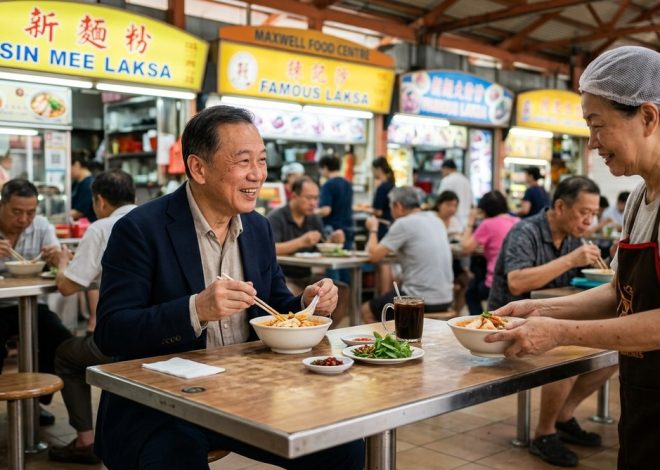
Hawker centres are the soul of Singaporean cuisine. They are also where you will find some of the most affordable and delicious halal food. Here are five halal friendly hawker centres that deserve a spot on your itinerary.
- Maxwell Food Centre (Chinatown) – Try the halal stalls like “Halal Food” at stall 10 for nasi lemak and mee rebus.
- Tiong Bahru Market – Look for “Halal Nasi Padang” at stall 02-30. The rendang is legendary.
- Golden Mile Food Centre (Beach Road) – A favourite among locals for halal options like murtabak and roti john.
- Old Airport Road Food Centre – Stall 01-49 serves excellent halal Indian rojak and satay.
- Tekka Centre (Little India) – The wet market section has halal biryani and prata that many expats swear by.
At these centres, look for the green MUIS logo on the stall signage or the individual food tray. Most hawker stalls share a common kitchen, so cross contamination is rare, but always ask the stall owner directly if unsure.
A Quick Guide to Halal Certification Levels
| Type of Establishment | MUIS Certification? | What to Look For | Confidence Level |
|---|---|---|---|
| Hawker stall (certified) | Yes | Green sticker on counter | High |
| Hawker stall (self declared) | No | “Halal” written on menu | Medium |
| Restaurant (MUIS certified) | Yes | Logo at entrance or menu | Very high |
| Restaurant (halal claim) | No | Management states halal | Low to medium |
| Hotel restaurant | Usually yes | Ask front desk | Generally high |
A useful tip: if you are staying at a hotel and want halal options, many hotels in Singapore carry MUIS certification for their in house restaurants. Check our list of family-friendly hotels in Singapore with the best kids’ facilities because many of those also offer halal menus.
Kampong Glam and Arab Street: A Halal Dining Hub
This area is the historic heart of Singapore’s Malay Muslim community. Walking along Arab Street and the surrounding lanes, you will find dozens of halal certified restaurants, cafes, and dessert shops.
Must Try Dishes Here
- Nasi Padang from Hajjah Mariam – A classic. Choose from 20 plus dishes like beef rendang, sambal goreng, and ayam bakar.
- Turkish kebab from Sofra Turkish Cafe – Halal certified, with generous portions and excellent pide.
- Middle Eastern mezze at Beirut Grill – Fresh hummus, falafel, and lamb shawarma in a relaxed setting.
- Murtabak from Zam Zam – This iconic stall near Sultan Mosque has been serving since 1908. The murtabak is stuffed with spiced minced meat and egg, served with curry.
Kampong Glam is also home to many Halal certified Japanese and Korean restaurants, making it a great area if you crave variety.
Little India: Where Flavours Feel Like Home
For many Muslim travellers from India, Malaysia, or Indonesia, Little India is a comfort zone. The area is packed with halal certified Indian Muslim (Mamak) eateries and South Indian vegetarian restaurants that also serve halal.
Top Halal Spots in Little India
- Banana Leaf Apolo – Famous for its fish head curry. The restaurant is MUIS certified. Go during off peak hours to avoid long queues.
- Islamic Restaurant – A longstanding institution serving biryani, tandoori chicken, and mutton shank. The mutton soup is a cold weather favourite.
- Kailash Parbat – A vegetarian restaurant with MUIS certification. Their chole bhature and paneer dishes are fantastic.
- Ahmed Restaurant – Known for its nasi briyani and the flavourful “mutton trotter” soup.
When ordering biryani, ask if the chicken or mutton is halal. Most places will confirm yes, but it is always good practice.
Halal Fine Dining: White Tablecloths and Michelin Stars
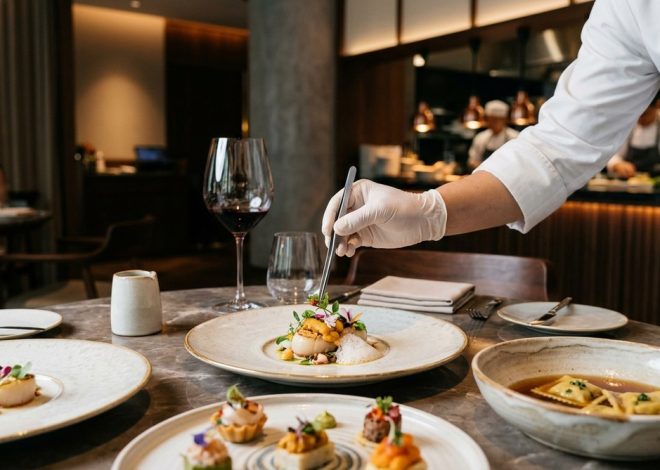
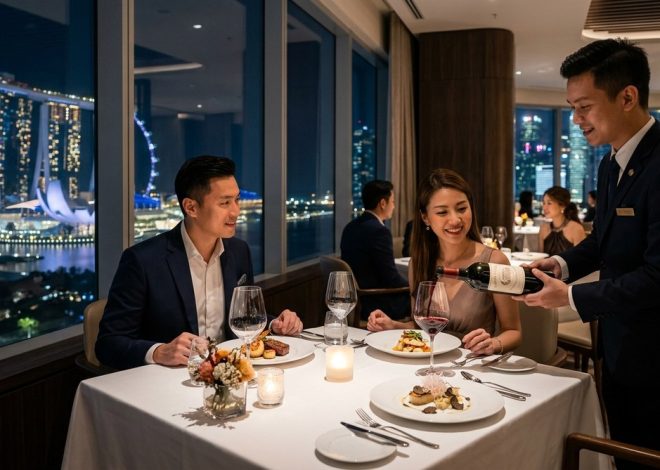
Singapore’s halal fine dining scene has grown significantly. In 2026, you can book a table at several high end restaurants that carry MUIS certification.
Three Fine Dining Gems
- Artist’s Palette – Located in the National Museum, this restaurant serves modern halal European cuisine. Their tasting menu changes seasonally.
- Cafe Arabesque – A French-Arab fusion spot in Dempsey Hill. The lamb tagine with saffron rice is a signature dish.
- The Malayan Council – They offer a halal fine dining set that celebrates Peranakan and Malay heritage. Their “Nasi Lemak Royale” is a refined version of the classic.
If you are celebrating a special occasion, check out our guide for romantic dining experiences in Singapore – many of the recommended restaurants have halal options upon request.
How to Find Halal Food Everywhere in Singapore
You do not need to stick to designated halal areas. With the right tools, you can eat halal almost anywhere.
- Use the MUIS mobile app – It lists all MUIS certified eateries with search by area or cuisine. Download it before you arrive.
- Look for the green logo – In shopping malls, many food courts have dedicated halal sections. The logo is usually displayed at the entrance.
- Ask the chef directly – In non certified restaurants, ask if they use halal meat. Some Chinese restaurants serve halal chicken and beef without certification.
- Check Grab Food or Foodpanda – Filter by “Halal Certified” to see what is available for delivery.
- Visit major hotels – Hotel restaurants are often halal certified. Even if the main restaurant is not, the cafe or lobby lounge usually serves halal options.
For more general travel tips, our piece on 10 essential Singapore travel apps every visitor should download before arrival includes the MUIS app and other useful tools.
Halal Desserts and Sweet Treats
Do not skip dessert. Singapore has a thriving halal dessert scene.
- Ice cream at The Daily Scoop – They have a halal certified outlet at Plaza Singapura. Try the gula melaka flavour.
- Kueh Lapis (layer cake) from Bengawan Solo – This chain is halal certified. Their pandan kueh lapis is a popular souvenir.
- Cendol from Penang Corner – Located in Lucky Plaza. This shaved ice dessert with coconut milk and green jelly is a must try.
- Durian pengat – A warm, creamy dessert made from durian. Many halal restaurants in Geylang serve it.
Common Mistakes to Avoid When Eating Halal in Singapore
| Mistake | Why It Matters | How to Avoid It |
|---|---|---|
| Assuming all Indian restaurants are halal | Many Indian restaurants serve beef or pork. | Check for MUIS logo or ask specifically. |
| Trusting a “halal” sign without logo | Some stalls claim halal without certification. | Look for the official green sticker. |
| Not checking separate kitchens | Even certified places might cook non halal in same kitchen. | Ask if the kitchen is 100% halal. |
| Ordering pork dishes by mistake | Pork is common in Chinese cuisine. | Stick to chicken, beef, or seafood in Chinese stalls. |
| Ignoring expiry of certification | MUIS certification must be renewed annually. | Check the date on the sticker. |
Expert Advice from a Local Halal Food Blogger
“The best halal food is often where the queue is longest. But also download the MUIS app – it tells you which stalls have current certification. And do not be shy to ask the auntie at the hawker stall. They will tell you honestly if their beef is halal. Better safe than sorry.”
– Sarah Abdul, author of Halal Eats SG
Planning Your Halal Food Itinerary by Area
Singapore is compact, so you can cover several neighbourhoods in a day. Here is a suggested route for a first time visitor.
Morning (8am – 11am)
Head to Kampong Glam for breakfast. Try roti prata at Springleaf Prata Place (halal certified) or nasi lemak at The Coconut Club.
Lunch (12pm – 2pm)
Take the MRT to Little India. Enjoy a biryani at Islamic Restaurant or a banana leaf set at Banana Leaf Apolo.
Afternoon snack (3pm – 4pm)
Travel to Geylang Serai – the Malay cultural enclave. Visit the Geylang Serai Market for halal snacks like apam balik (peanut pancake) and curry puffs.
Dinner (6pm – 8pm)
Go to Chinatown for halal Chinese cuisine. Try Halal Suzhou Restaurant for sambal stingray or claypot chicken rice.
Nightcap (9pm onwards)
End at Marina Bay or Bugis for dessert and drinks. Many cafes in the area are halal certified.
If you want to stay near the action, consider a hotel in Bugis or Kampong Glam. Our guide on how to score luxury hotel deals in Singapore without compromising on quality can help you find a comfortable base near top halal dining spots.
Seasonal and Cultural Events That Affect Halal Dining
During Ramadan (which falls in early 2026), the halal food scene transforms. Many stalls offer special Ramadan bazaar menus. Geylang Serai hosts one of the largest bazaars, with hundreds of halal food stalls operating until midnight. If you visit during this period, you will enjoy exclusive dishes like bubur lambuk (spiced porridge) and kurma (dates).
During Hari Raya Puasa, many halal restaurants offer “open house” style buffets. It is a great time to experience Malay hospitality.
For other travel timing considerations, see our month-by-month breakdown on when is the best time to visit Singapore.
Halal Korean, Japanese, and Western Options
Singapore’s halal offerings extend beyond traditional Malay and Indian food. Here are some categories with specific recommendations.
- Korean – Kim’s Family Restaurant at Orchard Gateway is halal certified. Try the bibimbap and Korean fried chicken.
- Japanese – Sakura Halal Japanese in Geylang serves sushi, donburi, and ramen. Their teriyaki chicken is a crowd pleaser.
- Western – Charr’d Steakhouse at Novena offers halal certified steaks and burgers. The dry aged beef is sourced from halal farms.
- Italian – Pasta Fresca at Arab Street is a small, halal certified spot. Their aglio olio and tiramisu are excellent.
Final Thoughts on Eating Halal in Singapore
Singapore respects dietary needs. The halal food scene is mature, diverse, and constantly expanding. Whether you are grabbing a $3 plate of nasi lemak at a hawker centre or splurging on a $150 tasting menu, you can dine with confidence. Keep the MUIS app handy, ask when in doubt, and let your taste buds guide you.
To make your trip even smoother, read our complete guide on how much does a Singapore holiday actually cost in 2026 for budgeting tips that include halal dining expenses.
The best approach is simple: treat each meal as a small adventure. Singapore’s halal food will reward you with flavours you will remember long after you leave.