Where Singapore’s Top Chefs Go on Their Days Off
When a chef finishes a 14 hour shift, the last thing they want is a tasting menu. They want real food. The kind that fills you up without the ceremony. The kind that tastes like someone’s grandmother is in the kitchen. Singapore’s culinary stars spend their days plating up perfection for guests, but on their day off, they head to the same places you would if you knew where to look. We asked a handful of them to share their honest off duty eating spots. No PR speak. Just the stalls and tables where they actually queue.
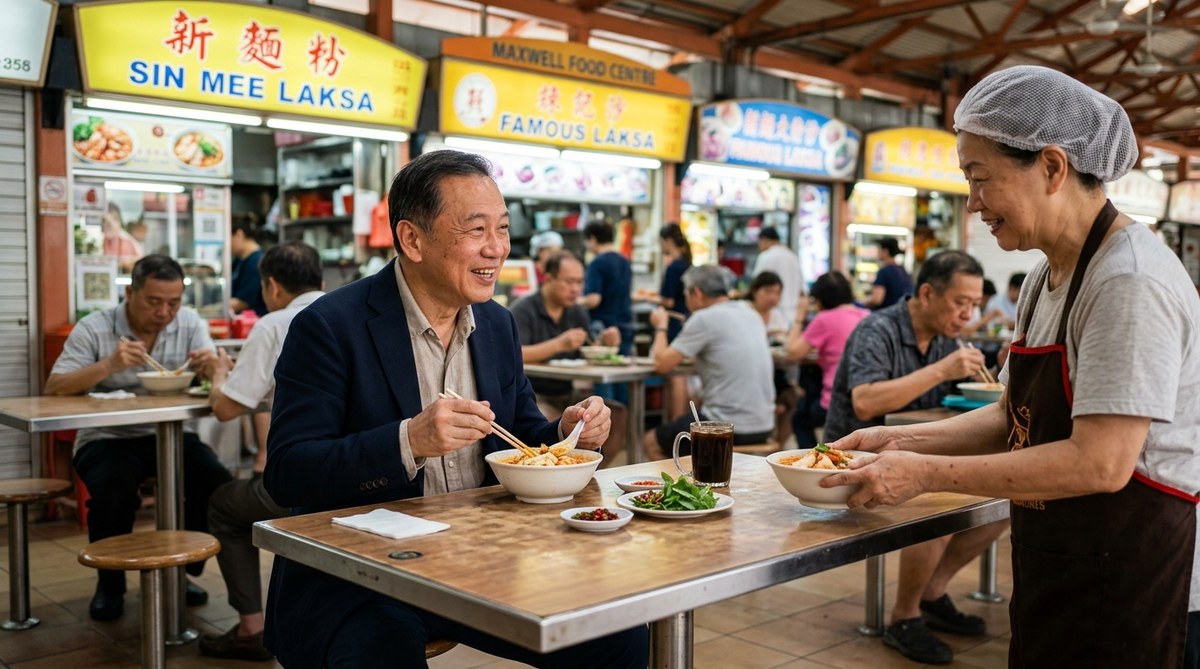
Singapore’s top chefs eat at unpretentious hawker centres and family run coffeeshops on their days off. They chase consistency over hype, queue for old school stalls, and value a good bowl of noodles over any degustation. Use their picks to build your own authentic eating itinerary without the tourist traps.
The places chefs crave when nobody is watching
Ask any chef in Singapore where they eat on their day off, and you will hear a pattern. They want food that tastes like home, or like someone else’s home. They want cooking that has been perfected over decades, not months. They want a seat where nobody expects them to be “on.”
Here are the spots that keep Singapore’s top chefs coming back.
1. Red Star Restaurant
Chef Marcus Leow from The Naked Finn calls this old school Cantonese restaurant in Chinatown his go to. Red Star still runs on a dim sum trolley system. You flag down a cart, point at what you want, and they stamp your card. The har gow is plump, the siew mai is juicy, and the steamed char siew bao comes with a filling so dark and sweet it stains the bun.
“I go for the consistency. The same aunties have been folding dumplings here for 20 years. That kind of muscle memory is impossible to replicate in a modern kitchen.” — Marcus Leow, Chef de Cuisine, The Naked Finn
2. The Coconut Club
Chef Janice Wong, the pastry genius behind Janice Wong Singapore, heads to The Coconut Club on Ann Siang Hill for nasi lemak. But not just any nasi lemak. She orders the Ayam Berempah, a fried chicken that gets marinated in a spice paste overnight before hitting the fryer. The coconut rice is steamed in coconut milk and pandan leaves, giving it a fragrance that stays with you all afternoon.
3. Summer Pavilion
When chef Fernanda Guerrero from Araya wants a Cantonese fix, she books a table at Summer Pavilion inside the Mandarin Oriental. It is the only Michelin starred restaurant on this list, but she goes for one dish. The roasted duck. It is lacquered, carved tableside, and served with a thin pancake that tears like tissue paper. She says the kitchen treats every order with the same precision she uses at her own restaurant.
4. Canton Delicacies
Chef Paul Hallett from Sushisamba Singapore swears by this tiny shop in People’s Park Centre for wanton mee. The noodles are springy, the char siew is caramelised at the edges, and the wantons are filled with a coarse pork and shrimp mixture that actually tastes of something. He orders the dry version with extra chilli oil and a side of soup.
5. Kopi 1930
Chef Hafizzul Hashim, the chef owner of Fiz, takes his day off coffee seriously. Kopi 1930 in Kampong Glam serves a thick, dark roast that tastes like treacle and chicory. He pairs it with a kaya toast that uses house made kaya, not the bright green stuff from a factory. The bread is grilled over a charcoal fire, which gives it a smoky edge that no electric toaster can match.
6. Ah Kee Beef Noodle
Petrina Loh, chef owner of Morsels, spends her day off queuing at Ah Kee in the Golden Mile Food Centre. The beef noodle comes with thick slices of stewed beef tendon, a dark broth that tastes of star anise and cinnamon, and a spoonful of bright green chilli paste on the side. She says the broth is so rich it leaves a film on your lips. That is the sign of a good one.
How to build your own chef approved eating itinerary
You do not need a reservation at a fine dining restaurant to eat like a chef. You just need a plan. Here is a simple process to follow.
-
Pick a neighbourhood and stick to it. Chefs rarely cross the island for a single dish. They cluster their eats. Try Tiong Bahru for breakfast, then walk to Chinatown for lunch. Keep it within a 20 minute walk.
-
Go before 11am or after 2pm. Chefs hate queuing on their day off. They know the sweet spots. Hawker stalls that open at 7am are dead by 10.30am. Lunch crowds peak at 12.15pm. Aim for the lull.
-
Order the signature dish first. If a stall has been open for 30 years and only sells one thing, order that one thing. Do not customise. Do not ask for less chilli. Eat it the way the chef intended.
-
Bring cash. Many of the stalls on this list do not accept cards or PayNow. A $10 note will cover a meal and a drink.
-
Share with a friend. Chefs eat family style even when they are alone. Order two dishes and share. You get more variety and you leave room for dessert.
What chefs avoid on their day off
Chefs are brutally honest about what they skip. Here is a table of the things they avoid and why.
| What they skip | Why |
|---|---|
| Trendy new openings | Too crowded, too loud, too much waiting. They let the hype settle for three months. |
| Chain restaurants | The recipes are designed for consistency across 50 outlets, not for flavour. |
| Overly instagrammable food | Dishes that look good but taste flat. Chefs eat with their palate, not their phone. |
| Restaurants owned by other chefs | They feel obligated to critique. It is not relaxing. |
| Buffets | The quality drops after the first 20 minutes. Chefs notice. |
The one rule every chef follows on their day off
Do not cook.
Chefs spend their working lives tasting, adjusting, and correcting. On their day off, they want to be served. They want to sit down, point at a menu, and receive food that requires no feedback. They do not send dishes back. They do not ask for modifications. They eat what comes and they enjoy the fact that someone else is holding the wok.
This is the same rule you should follow when you visit these spots. Trust the cook. If a hawker has been frying carrot cake for 25 years, they know the exact moment to flip it. Do not tell them how to do their job.
Planning your trip around these eats
If you are visiting Singapore and want to eat like a chef, you need a home base that puts you near the action. The best hotels for food lovers are the ones with easy access to hawker centres and heritage neighbourhoods.
For a stay near Tiong Bahru and the markets, check out the 11 Best Boutique Hotels in Singapore That Locals Actually Recommend. If you prefer being in the thick of Chinatown, read our guide on How to Experience Chinatown Like a Local. For a deeper understanding of the food culture itself, the Ultimate Guide to Hawker Centres in Singapore: Where Locals Actually Eat will save you from making rookie mistakes like ordering from a stall that has no queue.
And if you want to go beyond the stalls and into the dining rooms that chefs actually save up for, our list of 15 Michelin-Starred Restaurants in Singapore Worth the Splurge covers the places they go when they want to treat themselves.
Eating like a chef means eating like a regular
The best part of this list is that none of these places are secret. They are just overlooked by tourists who chase the same three Instagram hotspots. Red Star has been around since 1962. Ah Kee has been serving beef noodles since the 1980s. These stalls do not need a PR agency. They have regulars who have been coming for decades. And on their day off, the chefs who run Singapore’s best kitchens become those regulars.
So next time you are in Singapore, skip the queue at the famous chicken rice stall that every blog mentions. Walk to a neighbourhood coffeeshop, order a bowl of wanton mee from an uncle who has been boiling noodles since before you were born, and sit down. You are eating exactly where a chef would eat on their day off.